
The Gear | Art & Exploration
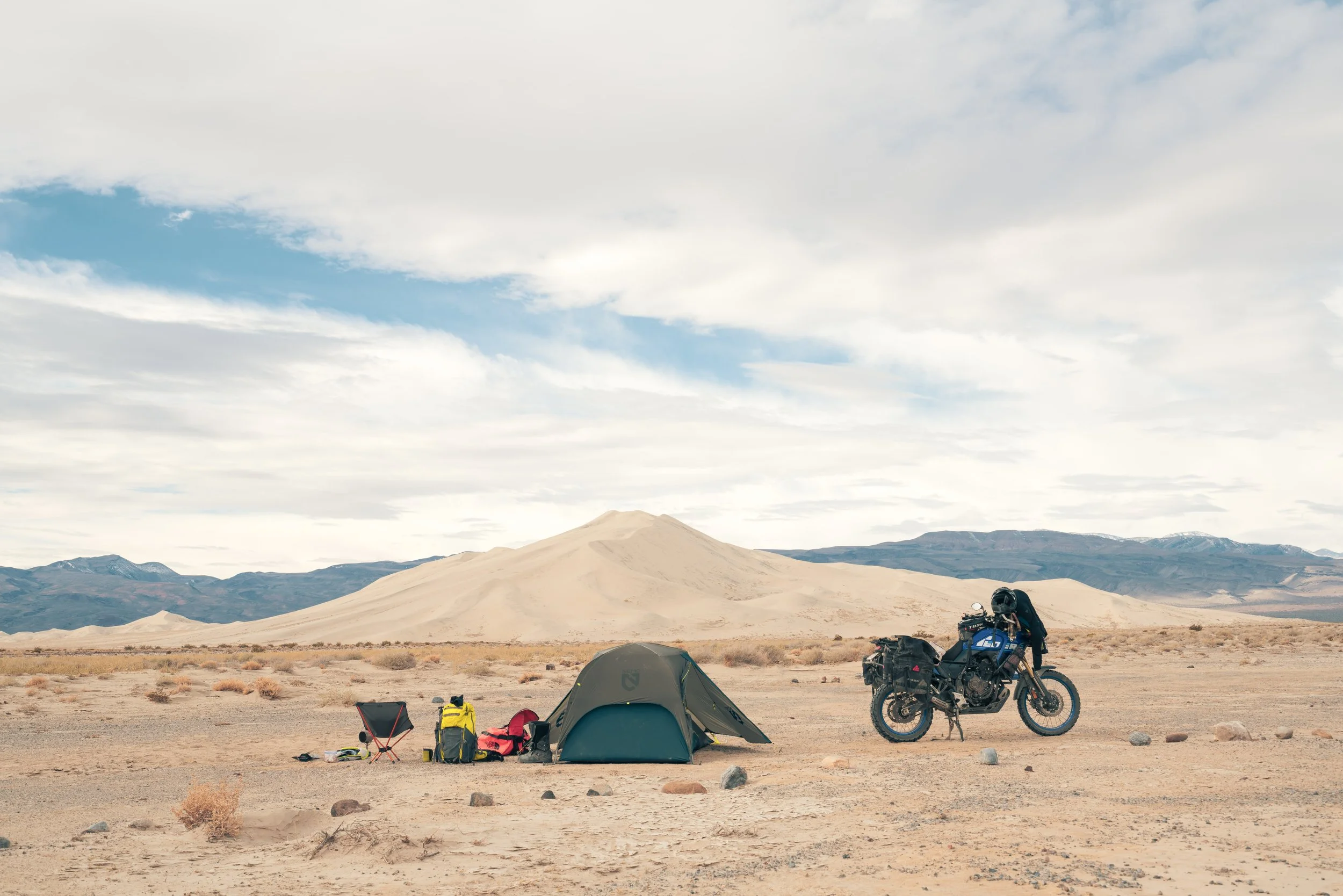
I’ve spent years refining this kit through a lot of trial and error in the elements. Whether I’m loaded up on the bike or humping a pack into the backcountry, every piece of gear on this page has been chosen because it actually works. My approach to gear mirrors my approach to photography: keep it simple, choose intentionally, and trust what’s been tested over time. This is the exact kit I use to bridge the gap between my adventures and a finished print.
As an Affiliate, I earn from qualifying purchases. Some of the links on this page are affiliate links, meaning I may make a small commission if you choose to 'Get the Gear' through them, at no extra cost to you. This helps support my photography and the time it takes to create these guides. I only recommend gear I have personally used to create my work in the field.
Bikepacking
Moto Camping
The Image Making Kit
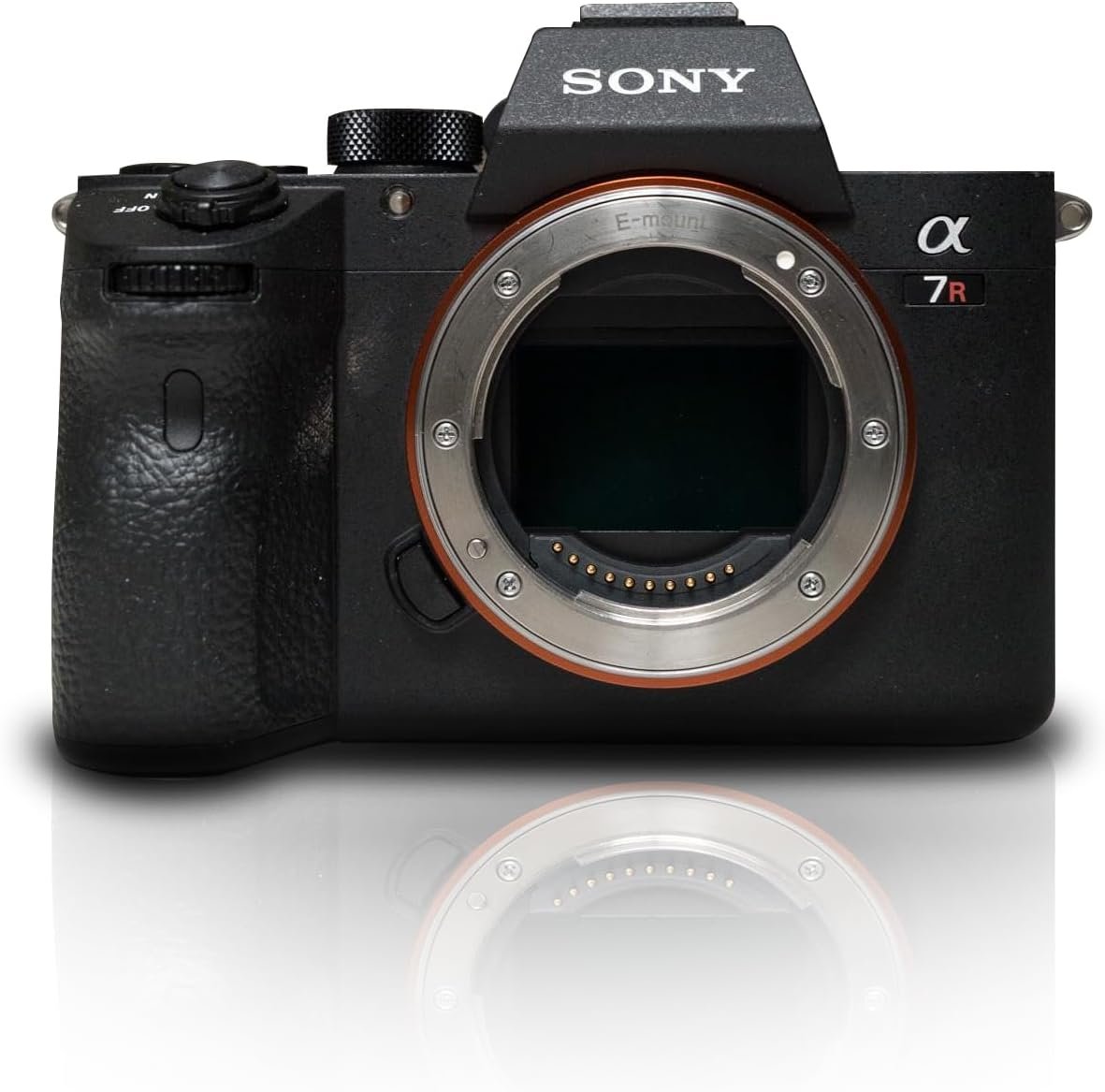
Fine art black and white photography requires a specific focus on tonal range, contrast, and sharp optics. Here is what I use to capture the world.
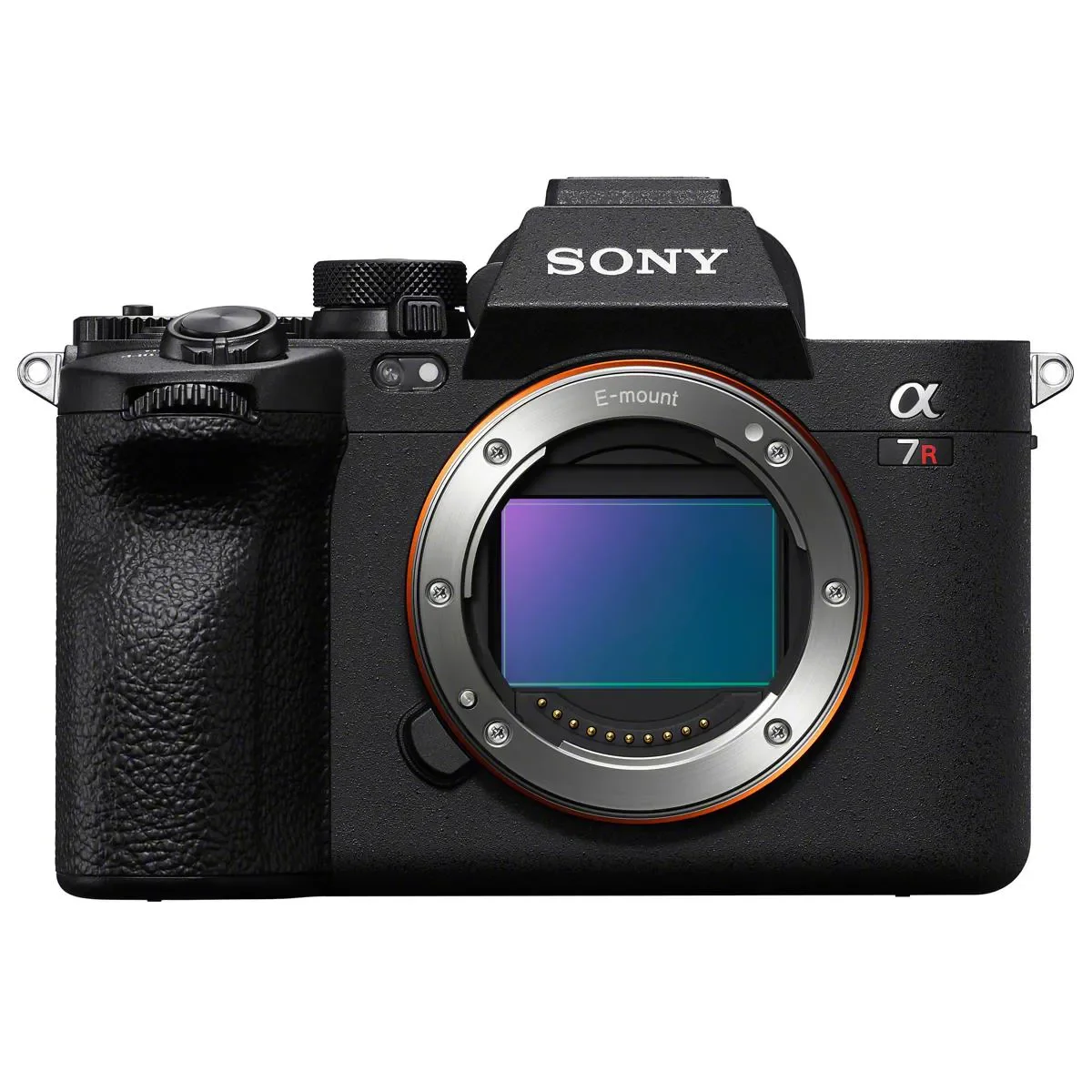
This has been my work horse for years. It delivers the resolution and dynamic range I need for fine art prints while remaining reliable in harsh conditions like snow, wind, and desert dust.
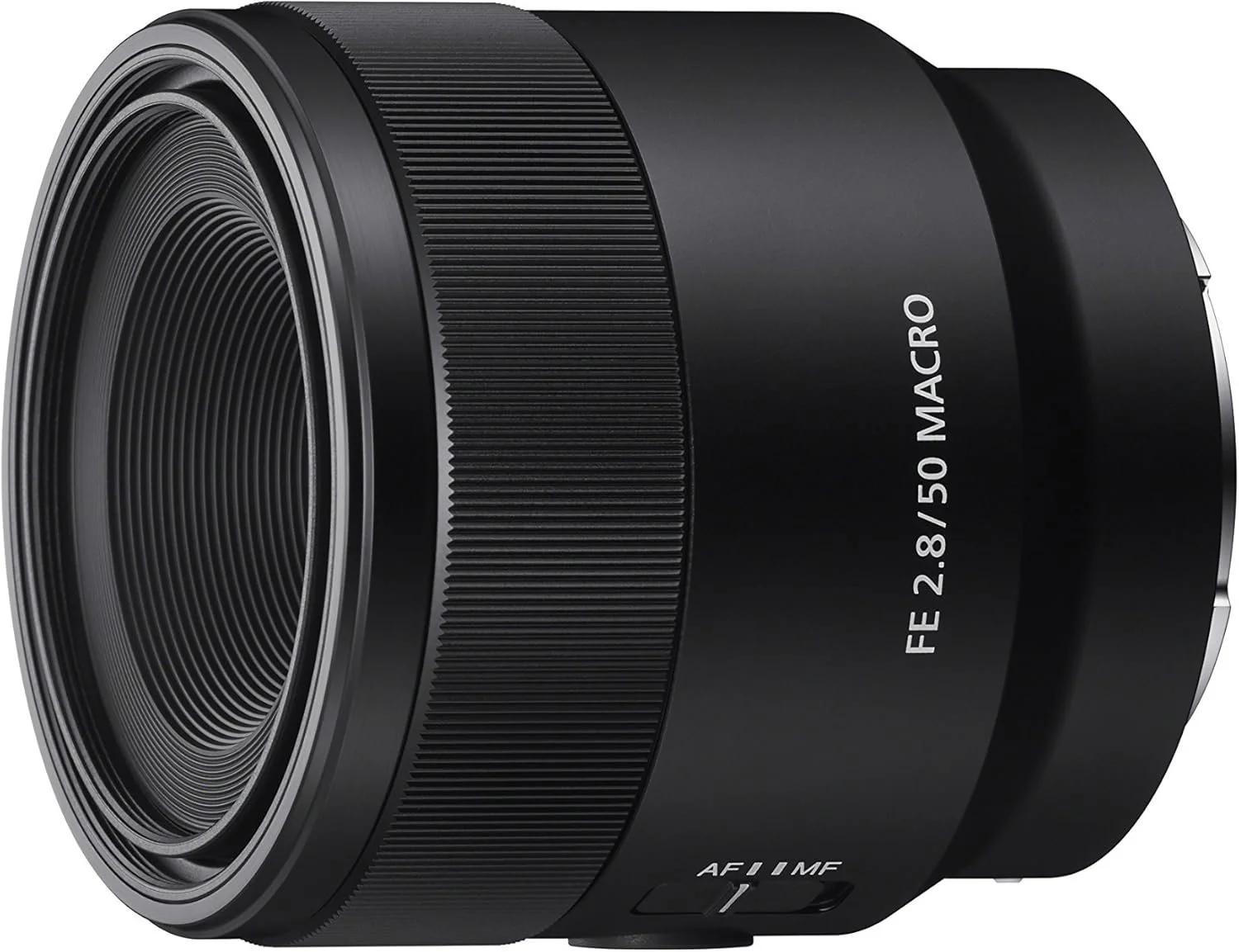
This lens allows me to focus on small details and quiet compositions that might otherwise go unnoticed. It’s especially useful for intimate nature scenes and subtle textures.
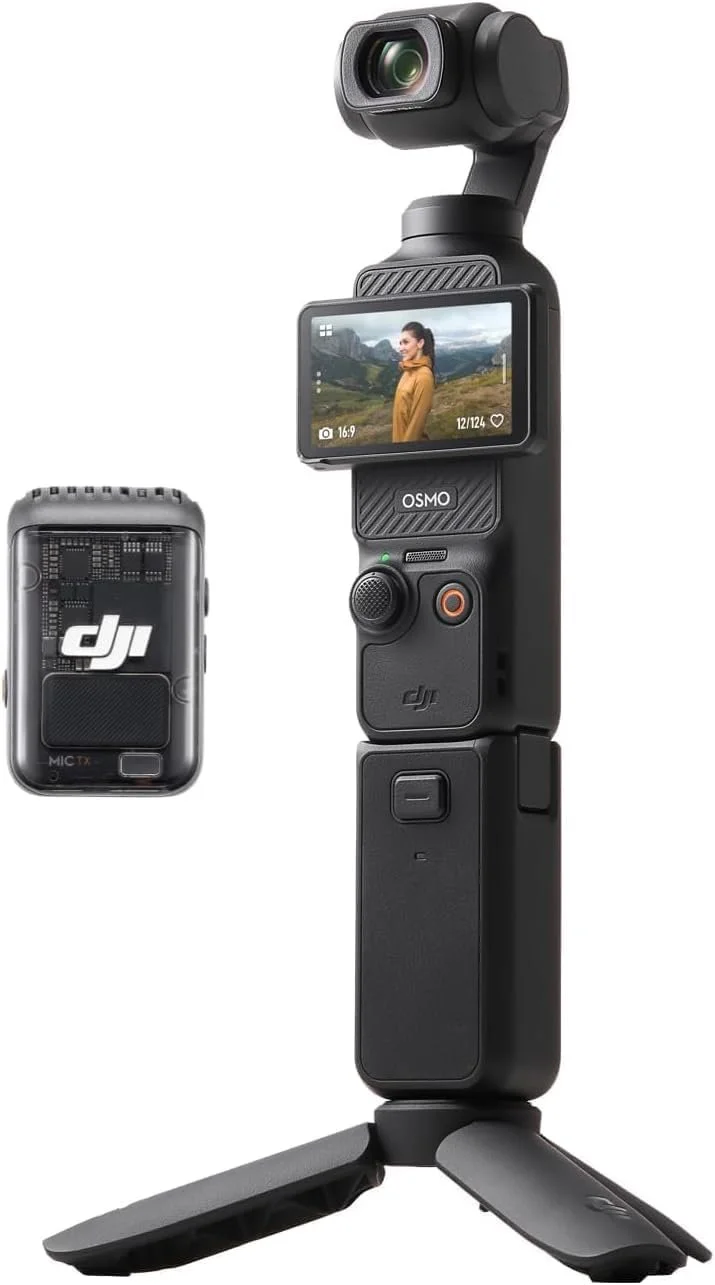
I use this for video work and behind-the-scenes footage. It’s small, discreet, and quick to deploy, which helps me document trips without turning the experience into a production.
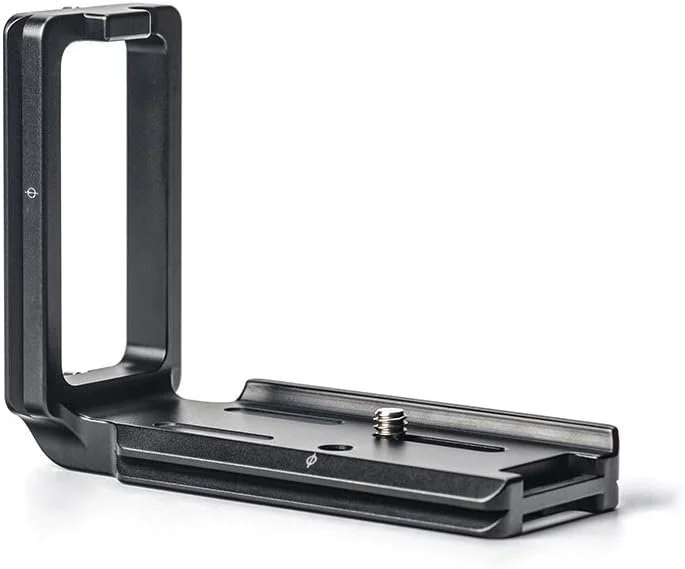
An L-bracket allows me to switch between horizontal and vertical compositions on a tripod without shifting the camera position. It keeps everything balanced and makes small adjustments in the field much easier.
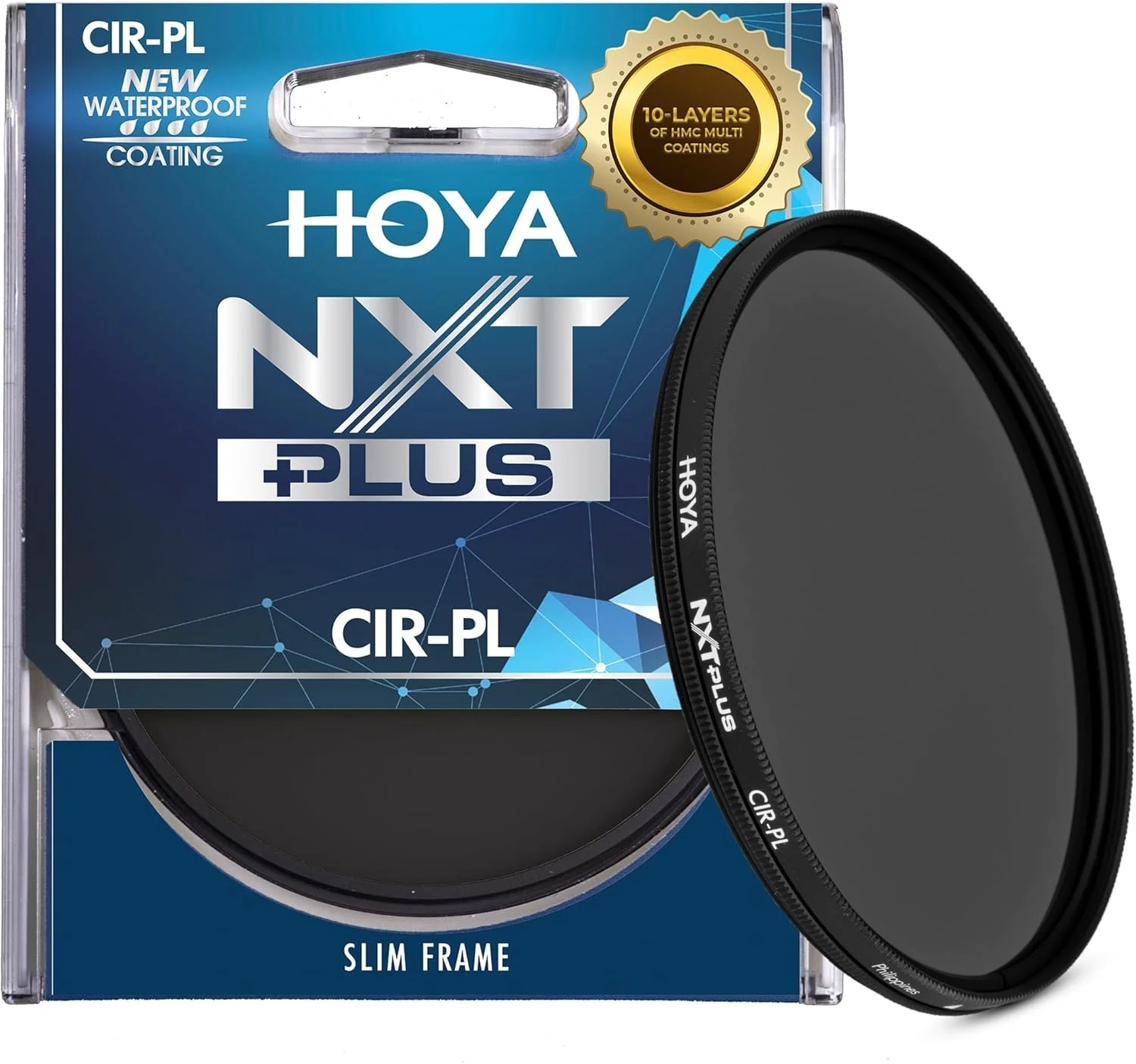
A polarizer helps manage glare and deepen tones when conditions call for it. I use it selectively rather than constantly, especially around water or reflective surfaces.
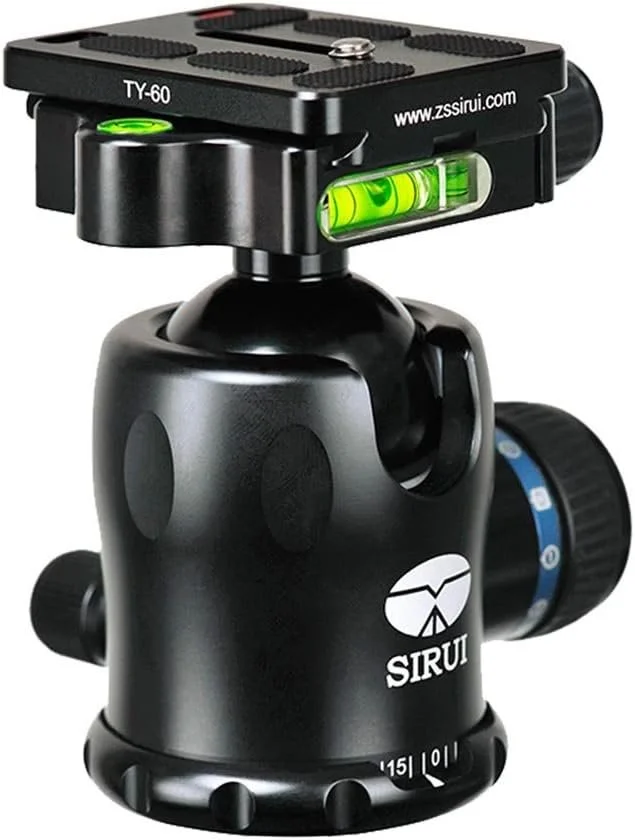
This is my primary tripod head. It provides smooth movement and dependable locking, which is critical when working with longer lenses.
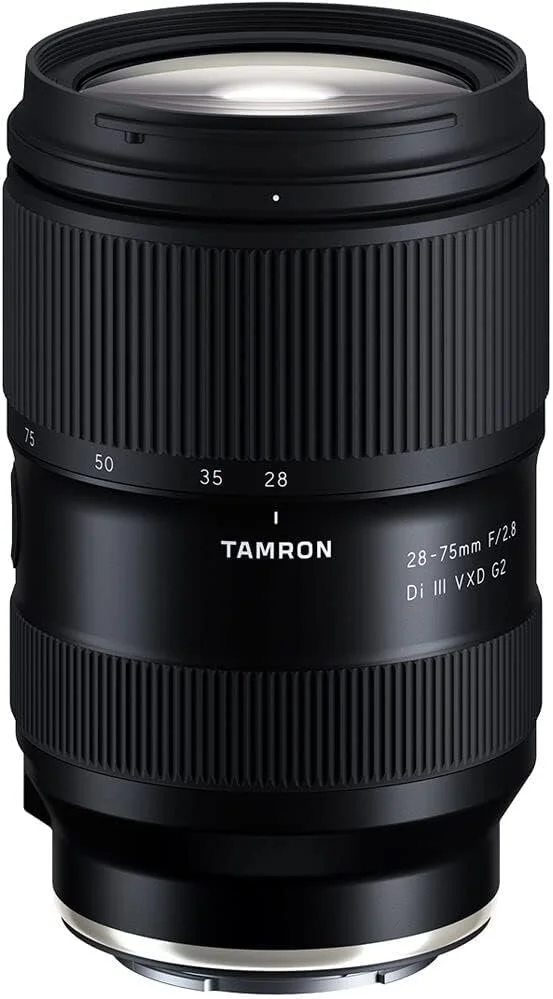
This is my most versatile lens and the one that stays on the camera often. It covers a natural range for landscapes and everyday scenes while remaining lightweight enough for long hikes.
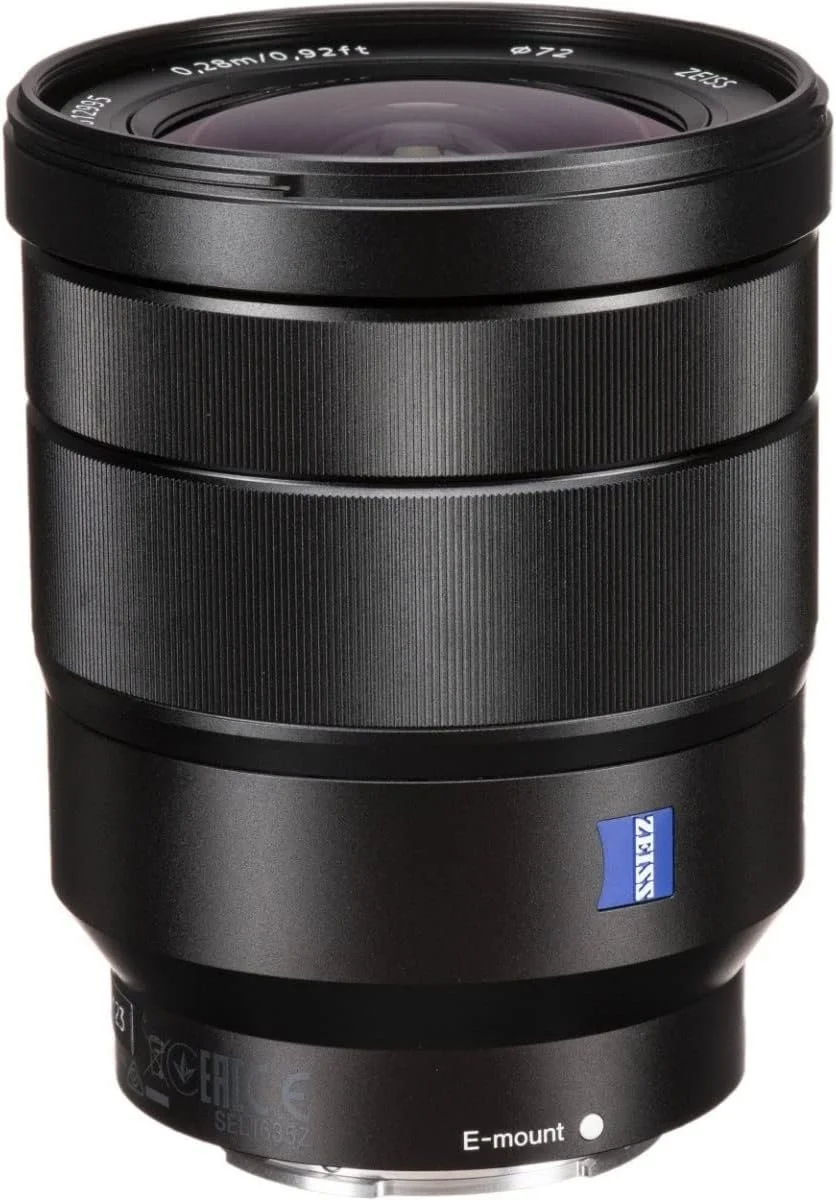
Sony 16-35 f/4
When a scene calls for scale or a stronger sense of place, this is the lens I reach for. It allows me to work close to foreground elements while maintaining context in the landscape.
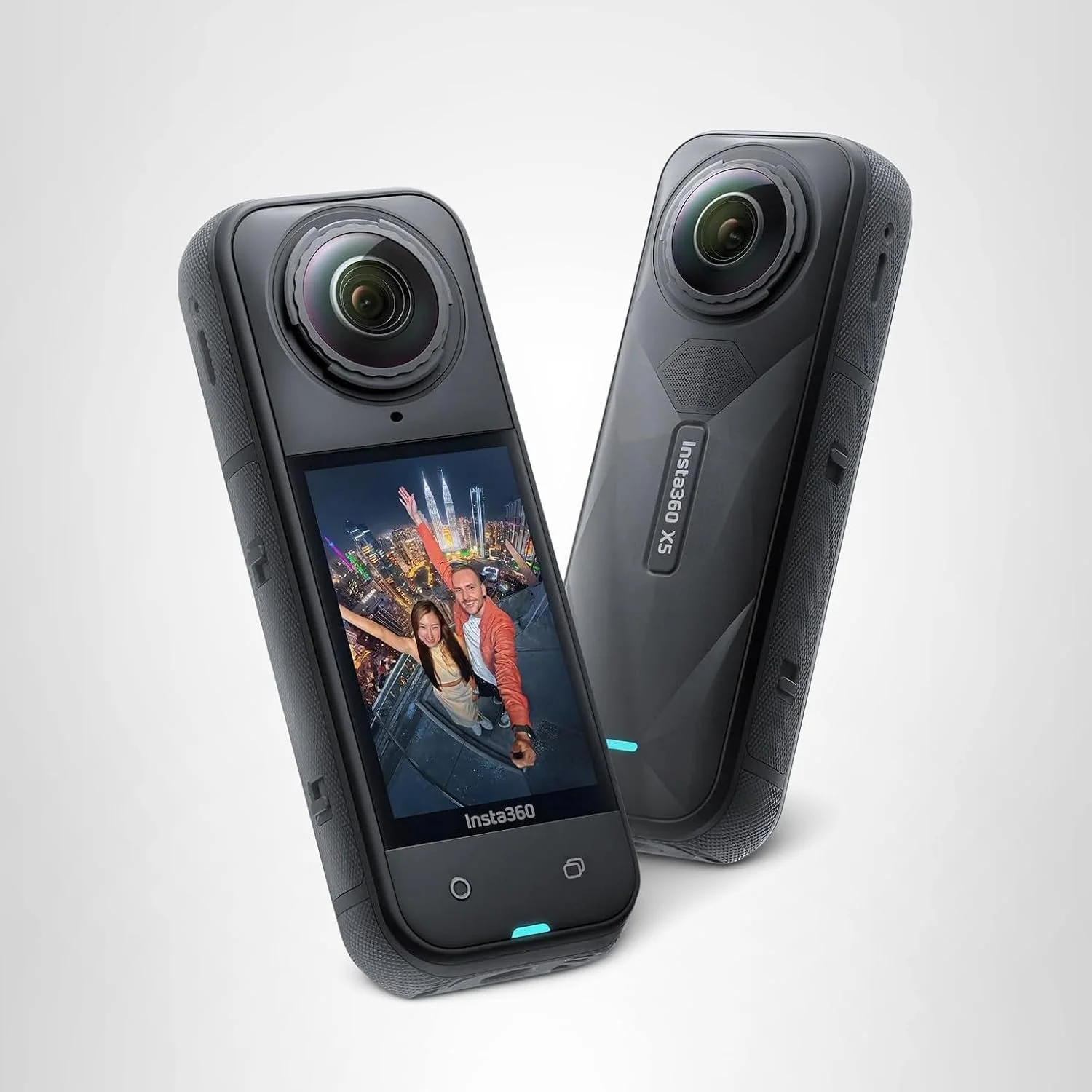
This camera is primarily for capturing immersive adventure footage. It allows me to record dynamic movement on bike or motorcycle trips without worrying about precise framing.
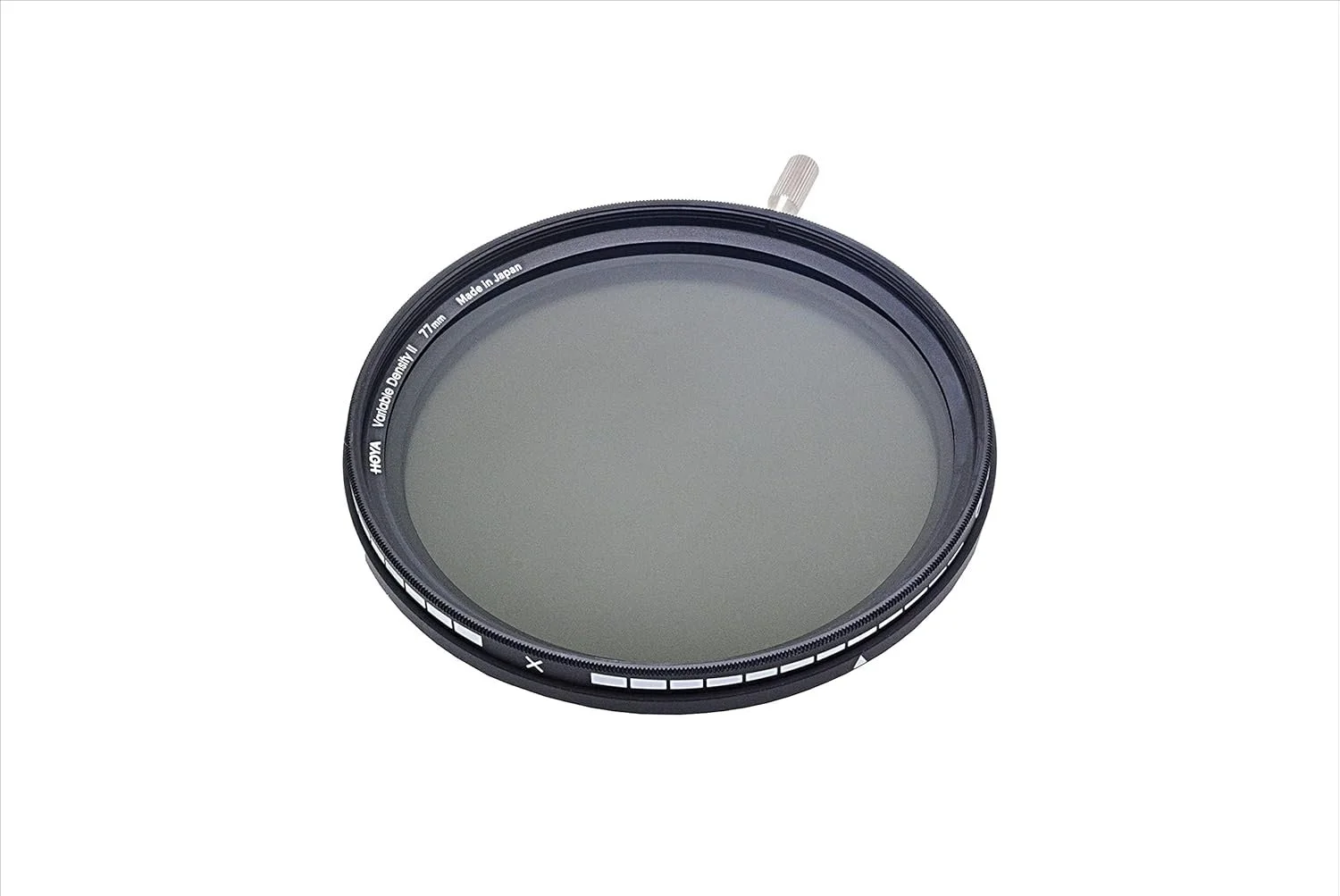
This is useful for controlling shutter speed in bright conditions, particularly for video or when experimenting with motion in still images or long exposures.
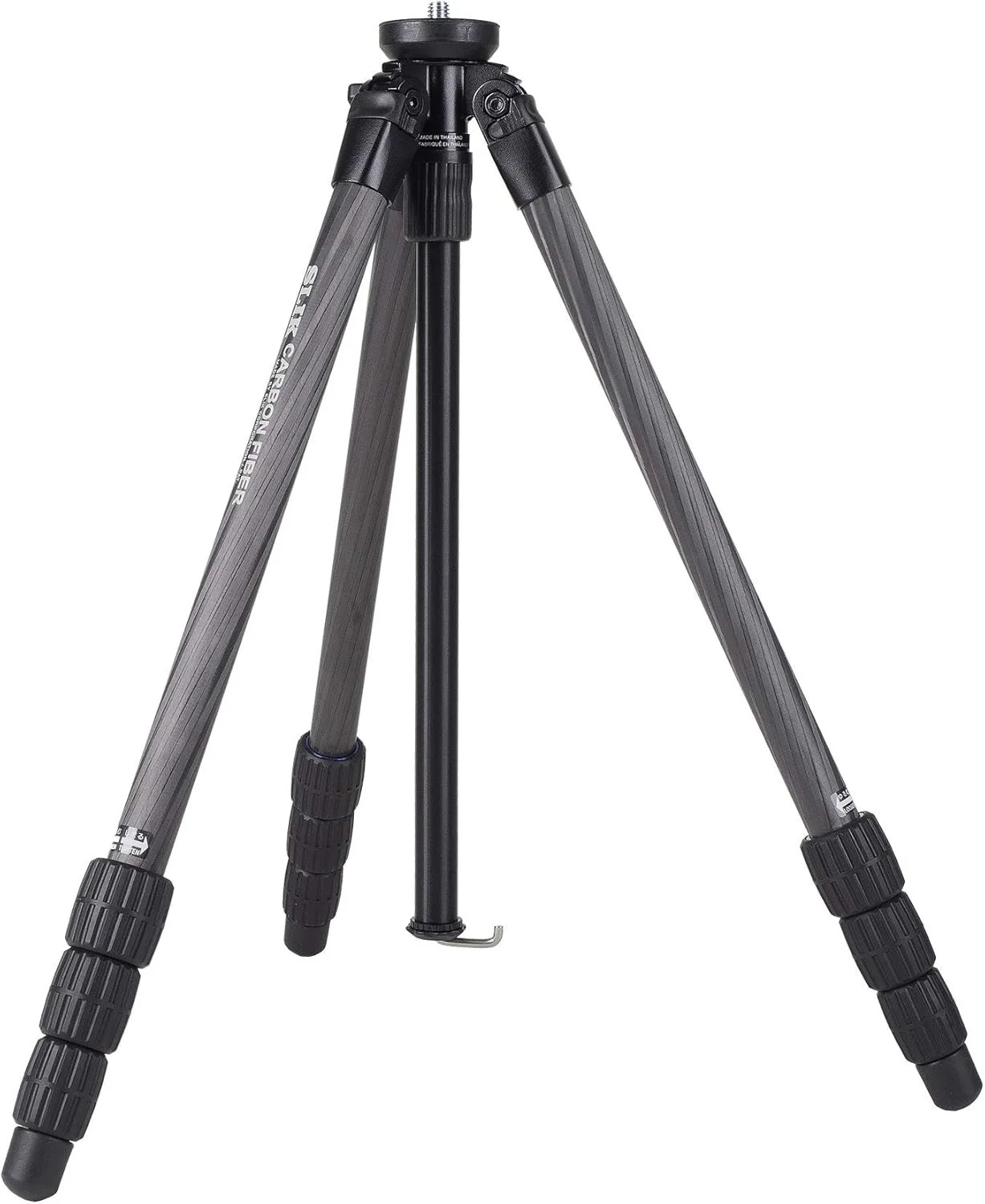
This is my lightweight option for travel or trips where every ounce matters. It’s compact, easy to pack, and still stable enough for thoughtful compositions.
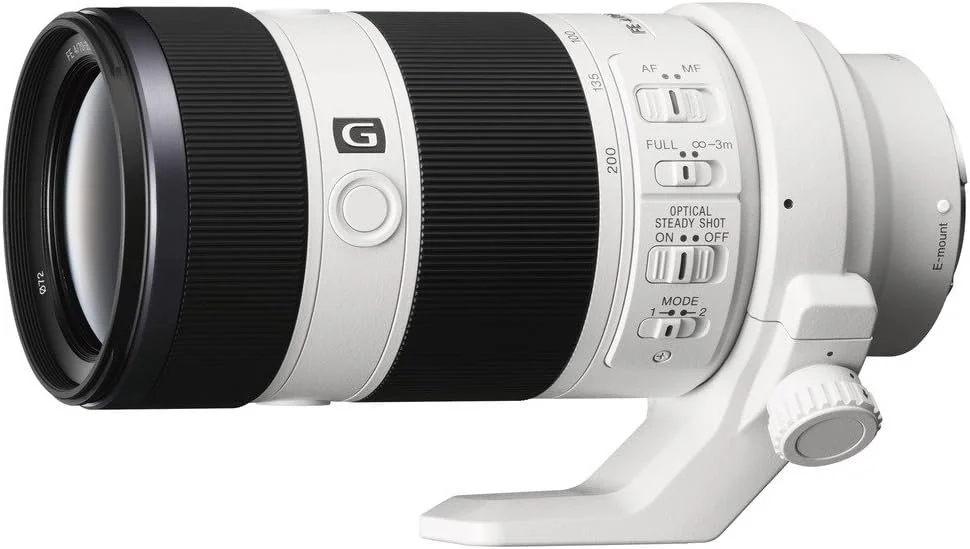
Sony 70-200 f/4
When I want to simplify a scene and isolate shapes, this lens helps me slow down and compose intentionally. It’s sharp, relatively compact, and easy to carry into the backcountry.
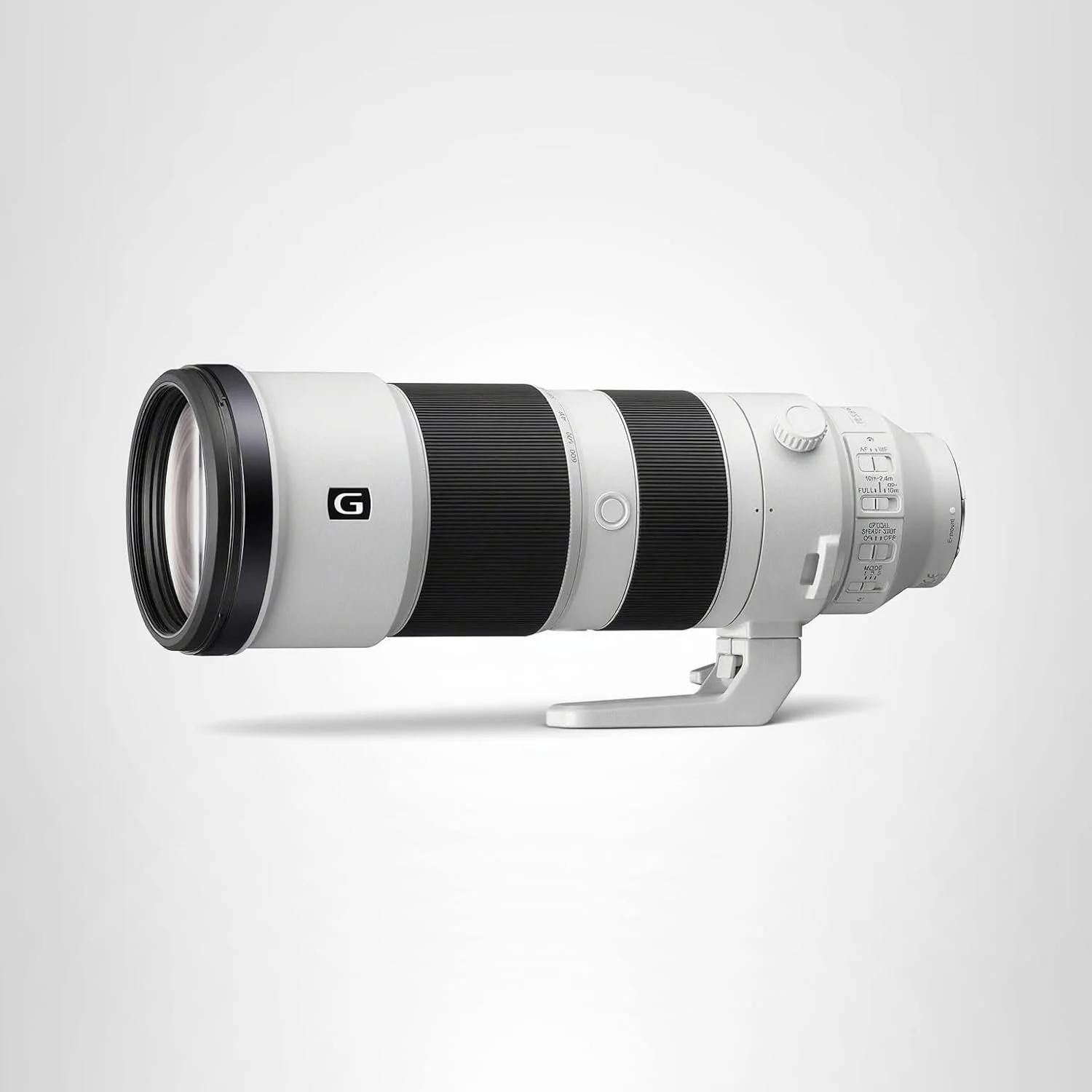
This is my go-to lens for wildlife and distant compression in landscapes. It gives me reach without disturbing the subject and allows me to pull patterns and layers out of expansive scenes.
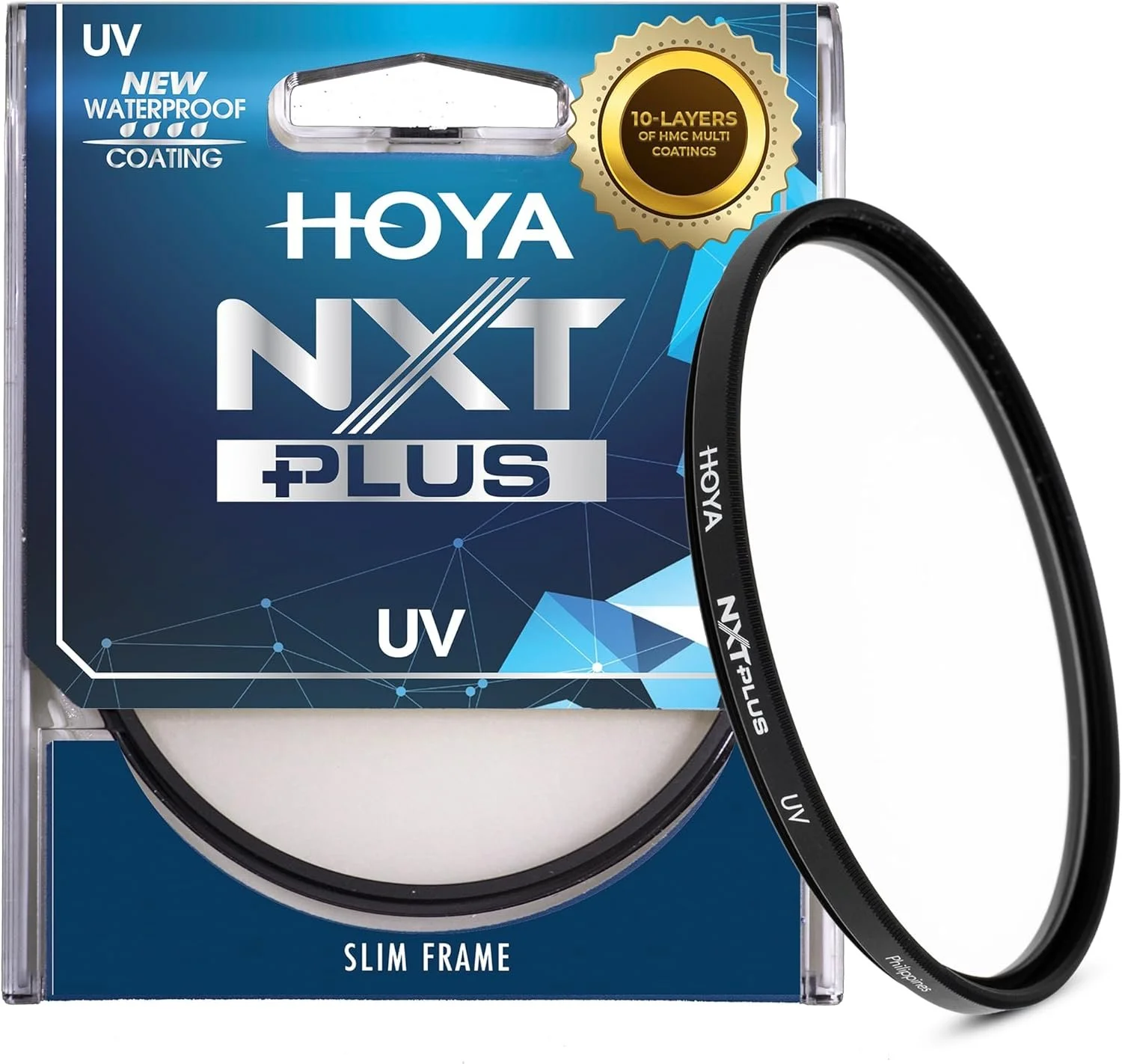
I use a UV filter primarily for lens protection in harsh environments. Sand, snow, and salt spray are real concerns, and this provides a simple layer of protection.
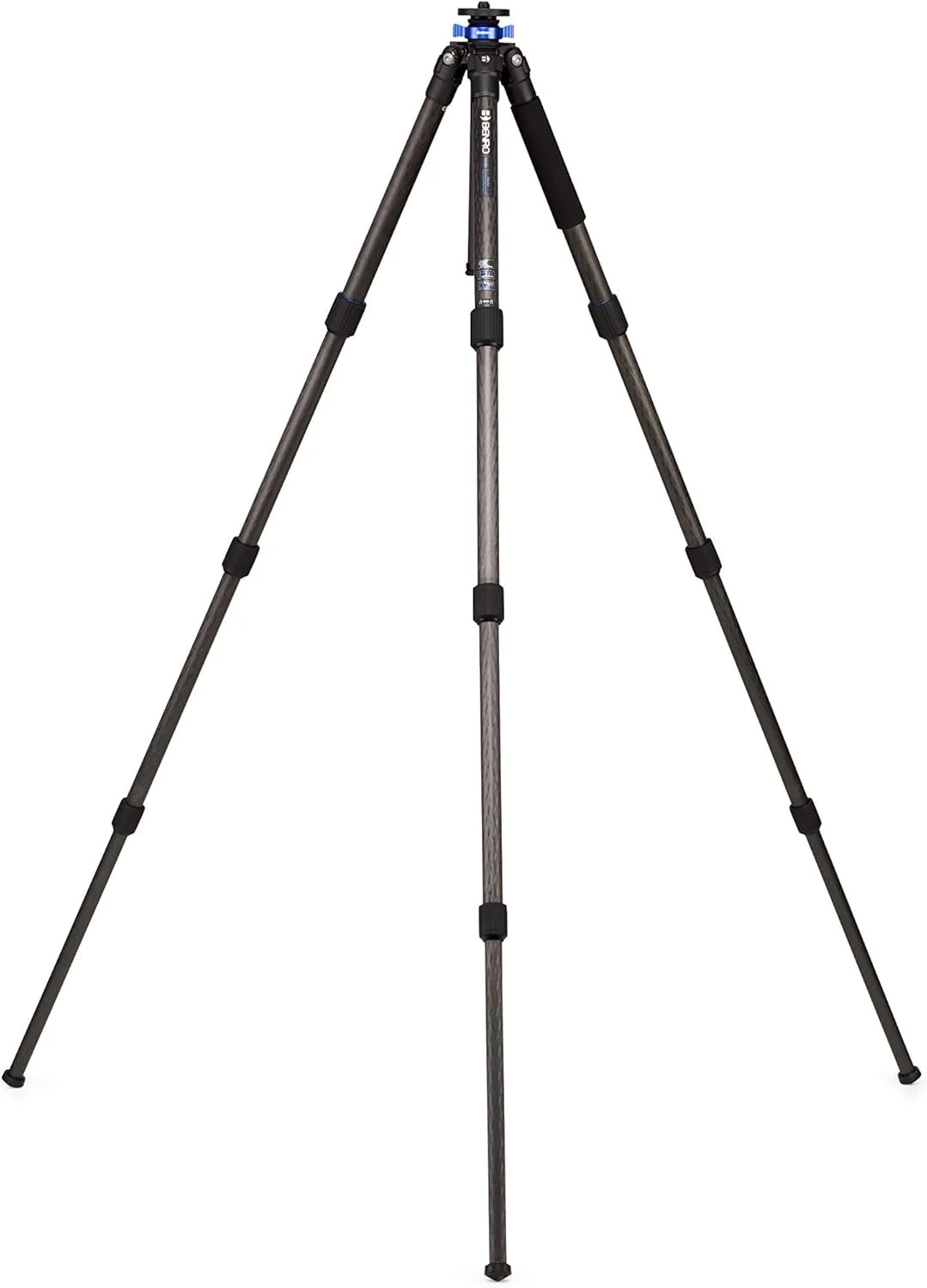
A stable tripod is essential for the way I work. This one balances durability and weight well enough for long hikes while remaining solid in wind.
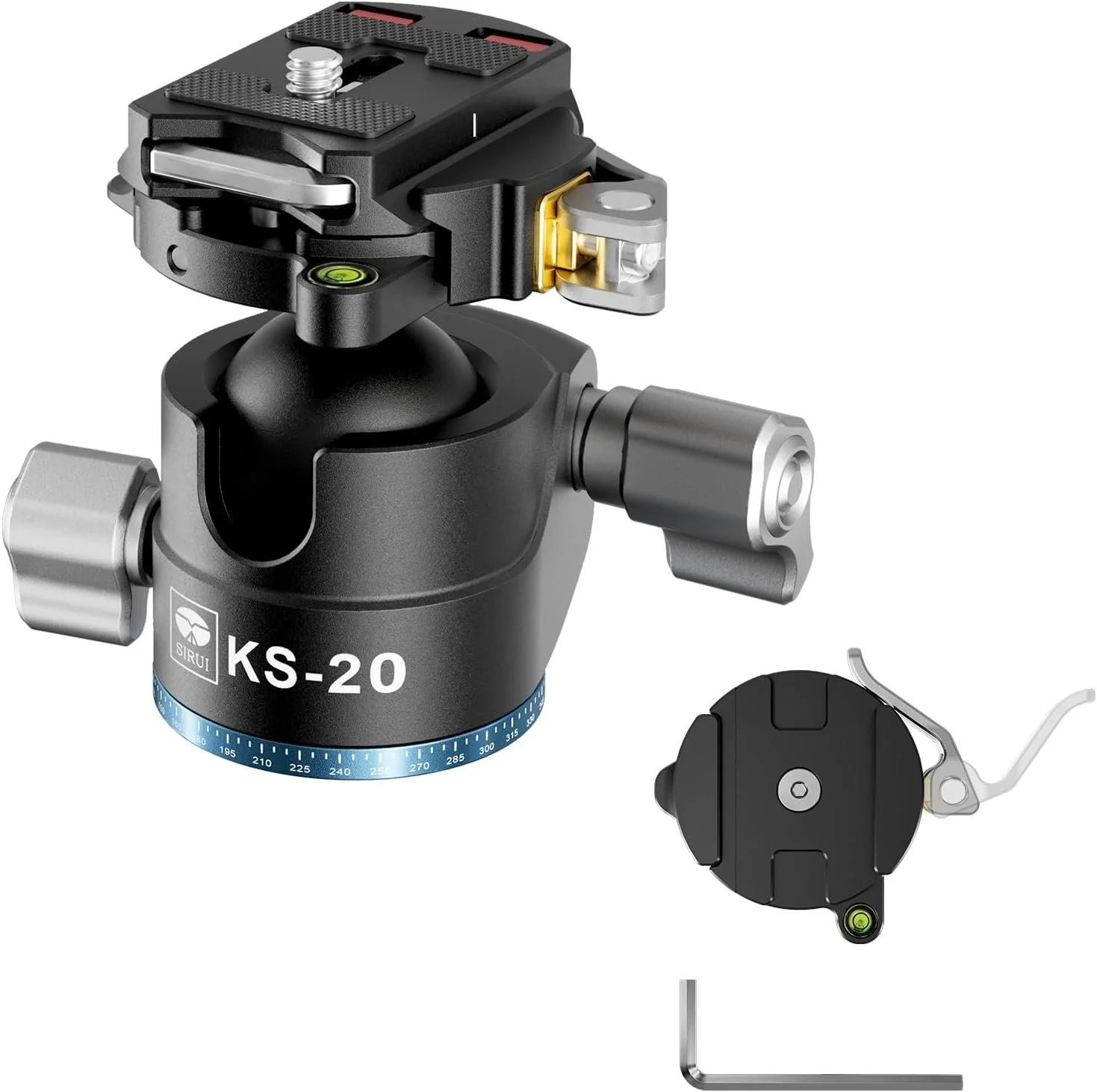
A lighter alternative when I want to reduce weight for travel or shorter trips. It maintains stability without adding bulk.
Camera Packs
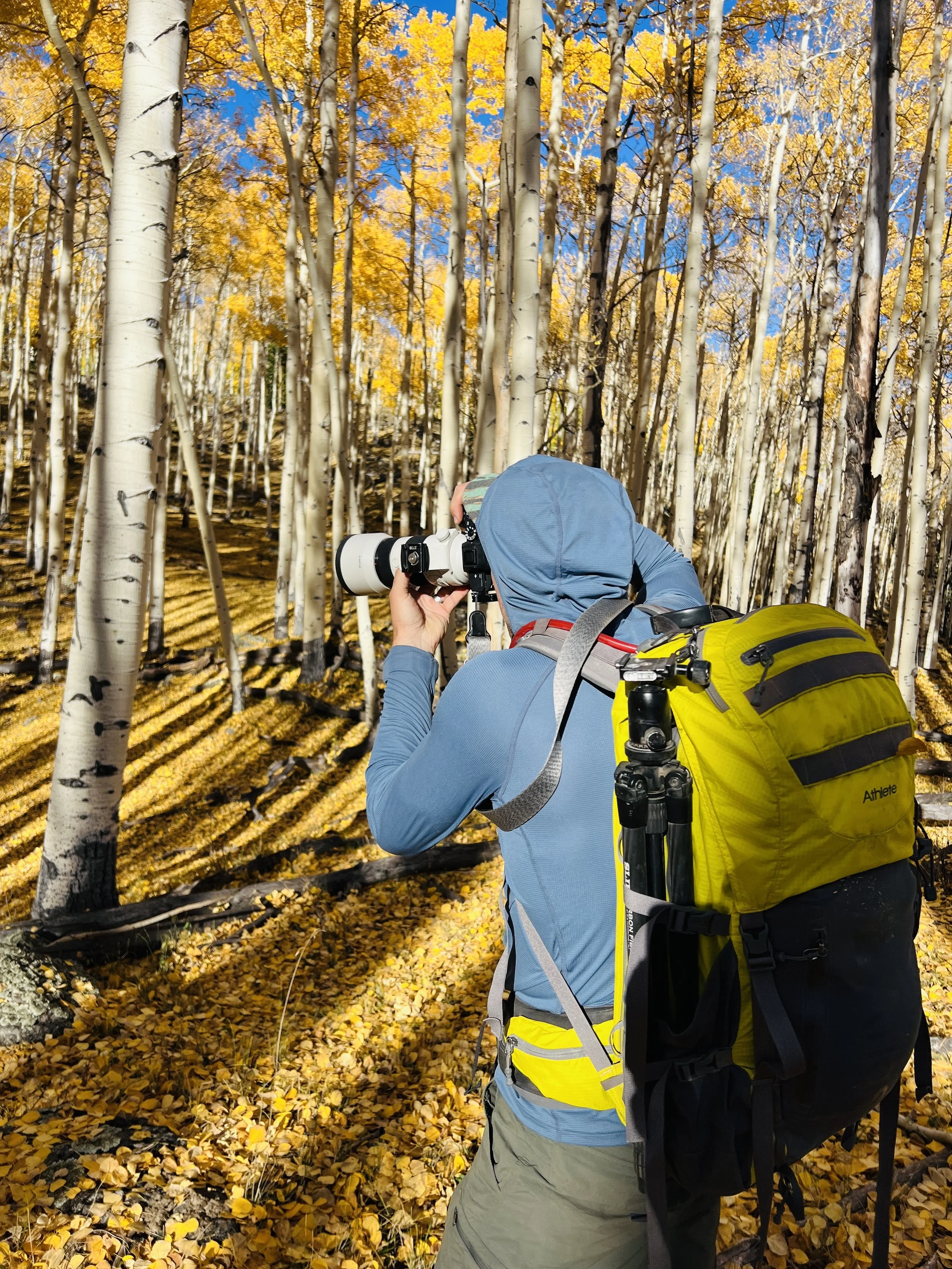
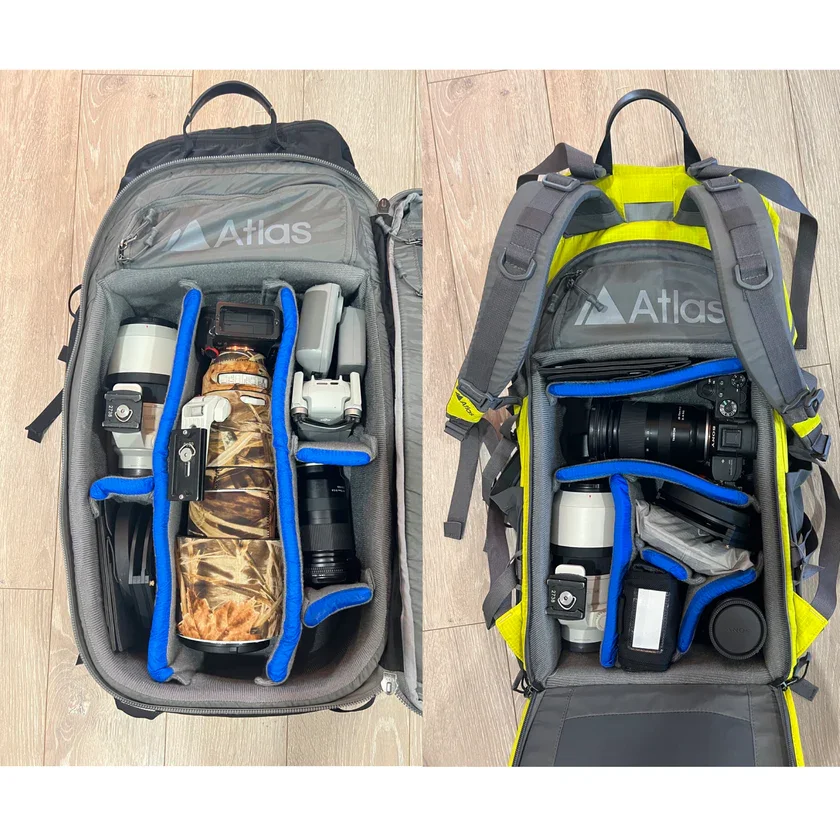
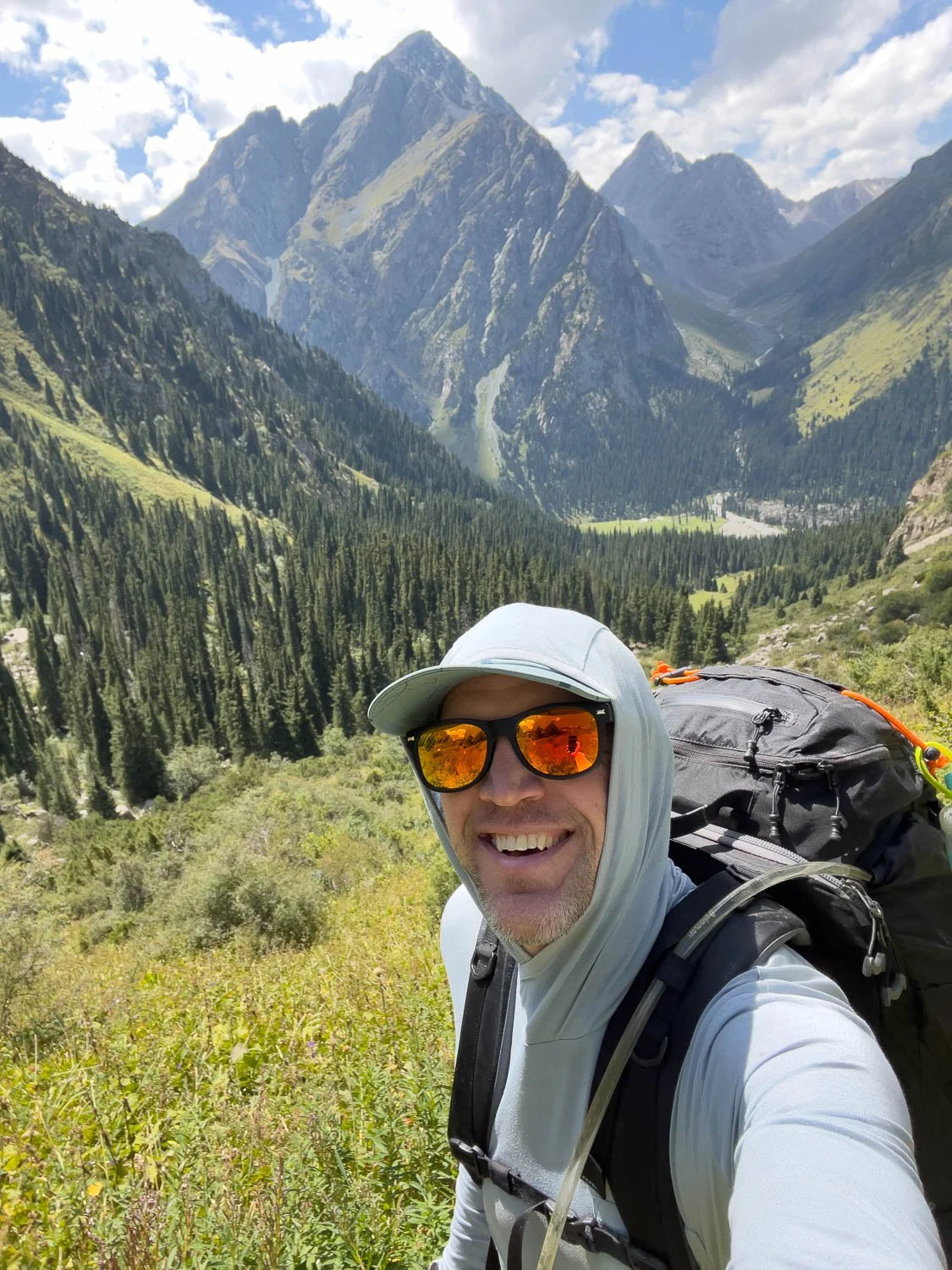
One of the questions I get the most is what bag I use. For several years now, I have used and trusted Atlas Packs for carrying and protecting my camera equipment. Not only have they withstood all the abuse I’ve put them through but they are also very comfortable. I have the Athlete Pack and the Adventure Pack, the Athlete Pack is my everyday pack. The Adventure Pack is what I use when I need my long super telephoto lens for wildlife and/or when I’m backpacking for a night or two.
Chest Bag
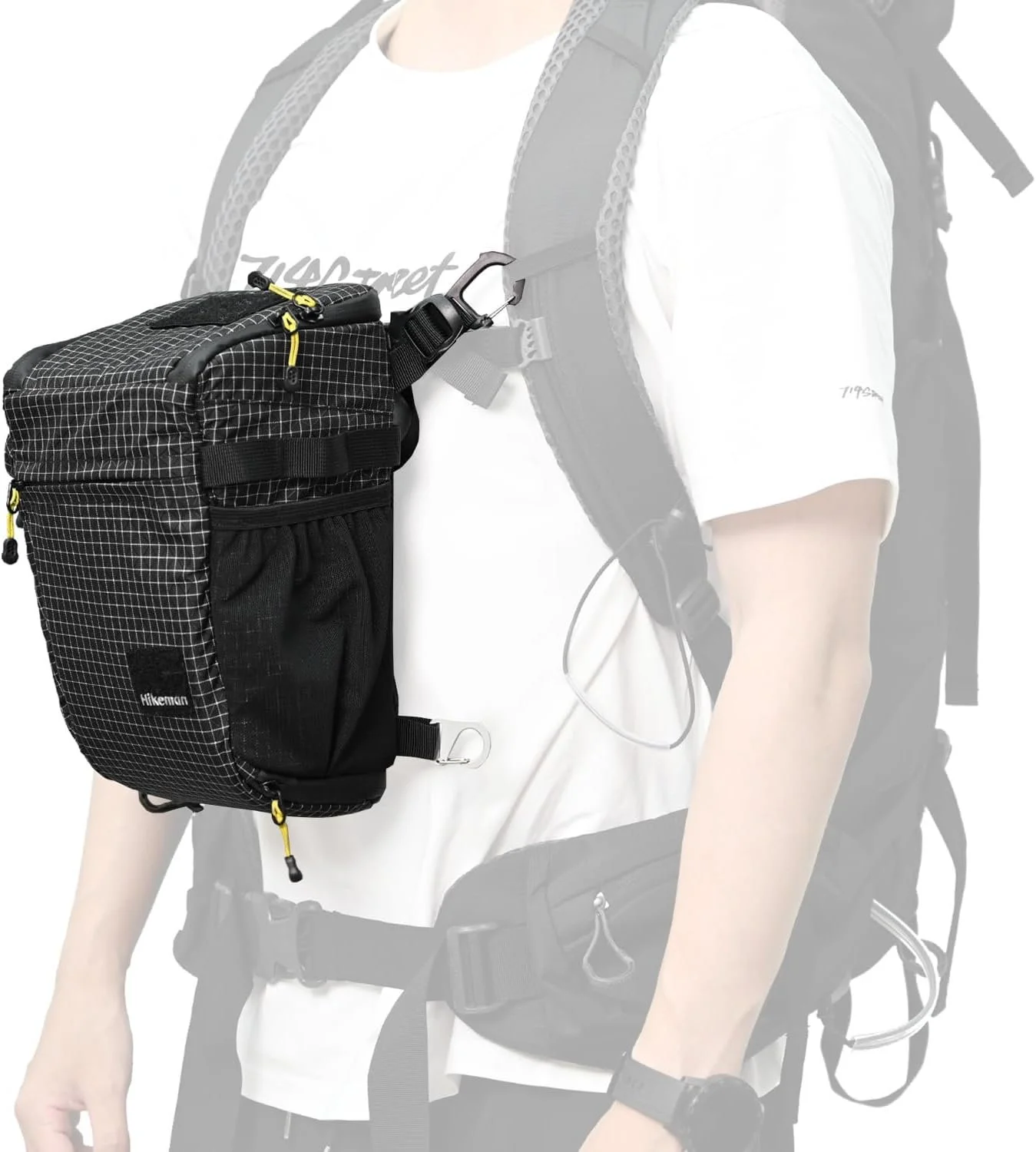
This is one of the biggest improvements I’ve made to how I carry my camera. Keeping it in a small pouch on my chest straps makes it easy to access without stopping, and it’s much more comfortable than any of the shoulder strap plate systems I’ve tried. It also shifts a bit of weight off my back, which adds up over longer days.
This is my primary camera for fine art photography. It delivers exceptional image quality, outstanding autofocus, and thoughtful refinements that help me focus on the scene rather than the camera. The fully articulating screen has been a surprisingly big improvement, making it much easier to work from low and awkward angles without compromising composition.
Emergency and Communication
When I’m traveling in remote areas, communication is only part of the equation. These are the two tools I carry together to stay connected and to have a plan in place if something goes wrong.
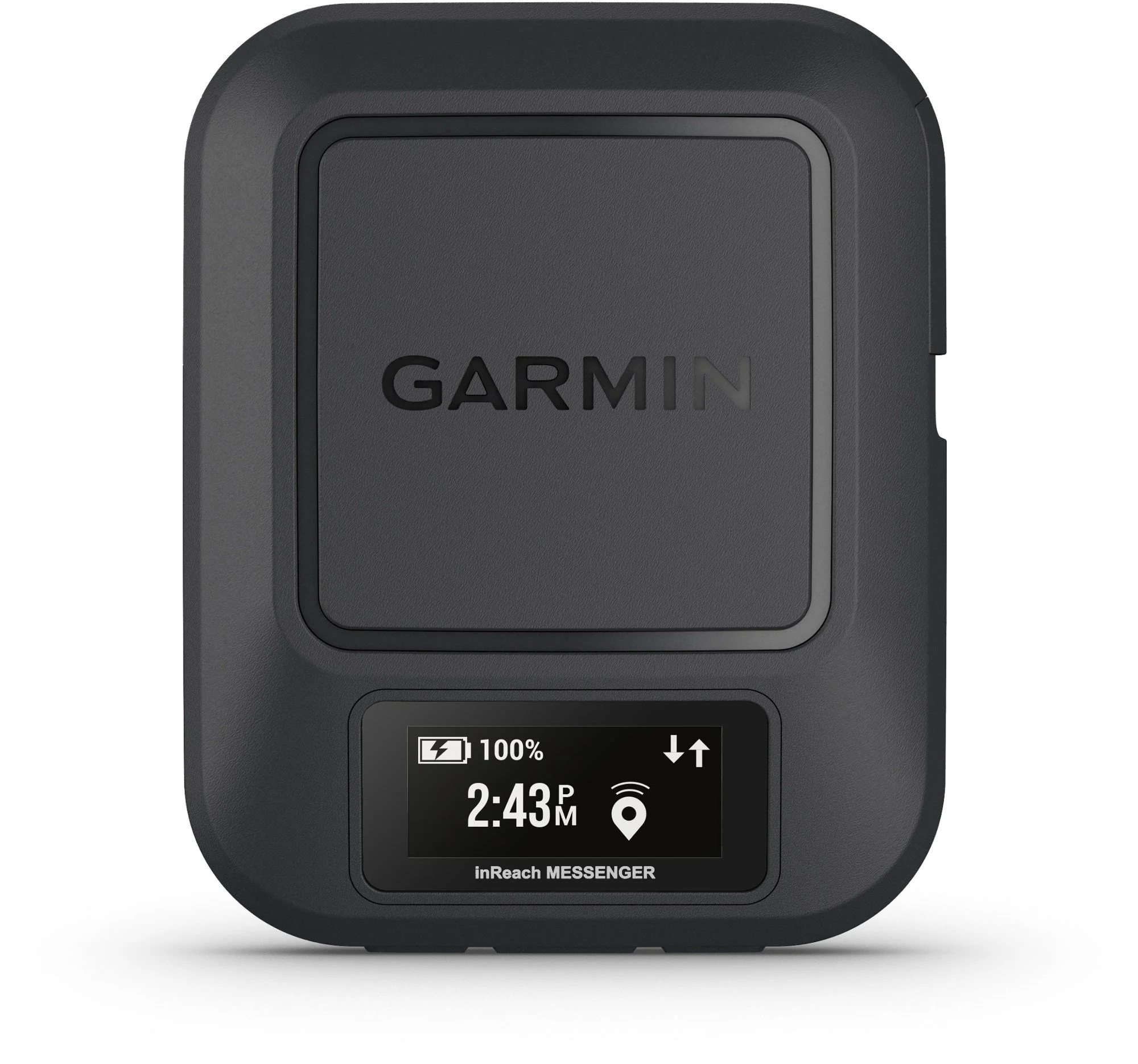
This is my primary way to communicate when I’m out of cell range. It allows me to send messages, check in, and trigger an SOS if needed, with emergency response coordination built in.
I use Overwatch x Rescue alongside my Garmin inReach. While the inReach provides communication and response coordination, Overwatch adds another layer of support, including financial coverage and additional assistance if things go wrong and I need evacuation and or medical coverage. Use code ANDREW15 to receive 15% off a plan.
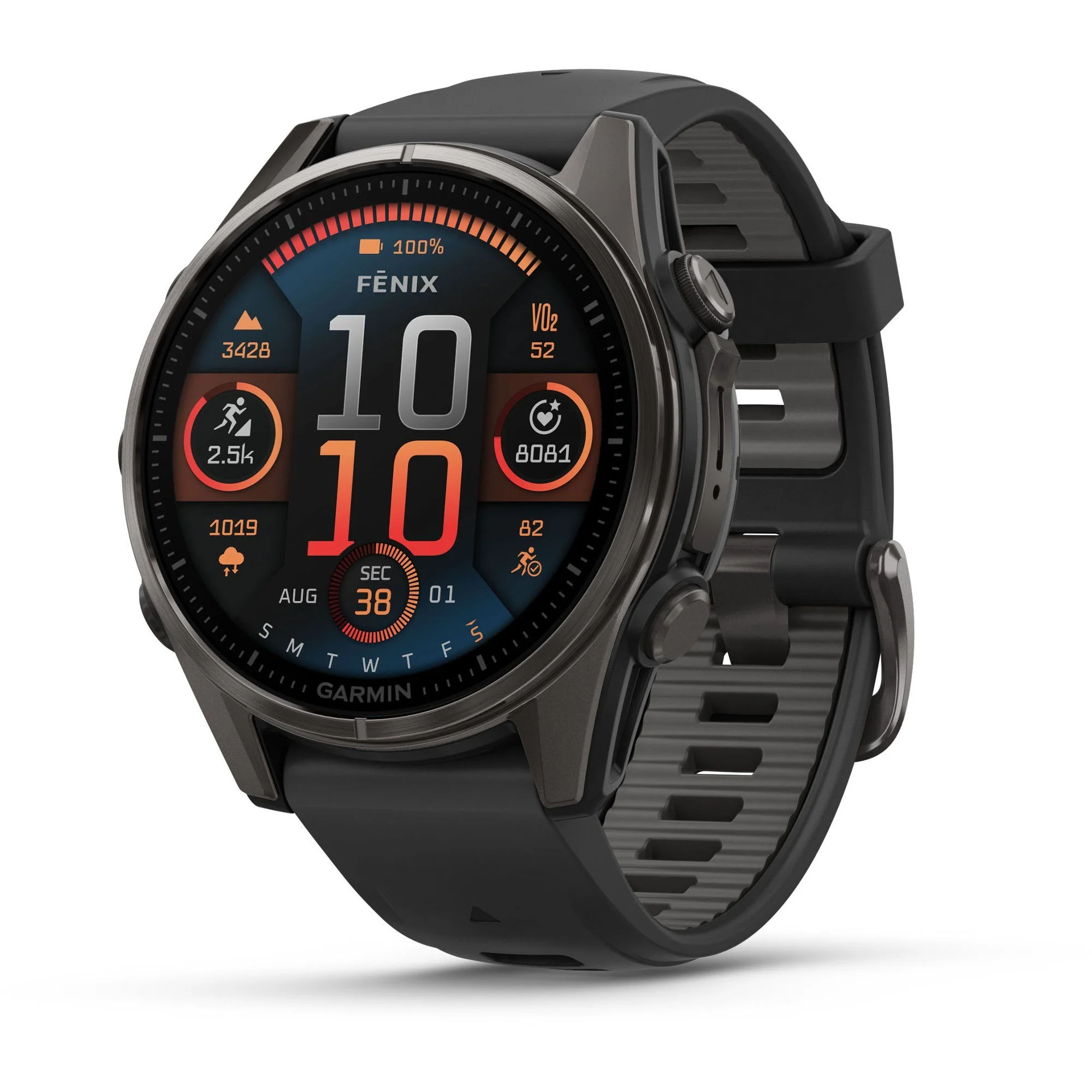
I use this to track routes, monitor effort, and keep navigation simple in unfamiliar terrain. It’s rugged, reliable, and built for long days outside. The watch also connects to my Garmin InReach for added peace of mind.
Adventure and Basecamp Essentials
Being outside is as important to my work as the camera itself. Most of the gear below crosses over between backpacking, bikepacking, and motorcycle travel. I prioritize versatility, durability, and gear that earns its place trip after trip.
Gaia GPS is my primary mapping tool when planning and navigating routes. I download maps for offline use and rely on it for route tracking, plotting waypoints, terrain awareness, and finding alternate paths when plans change.
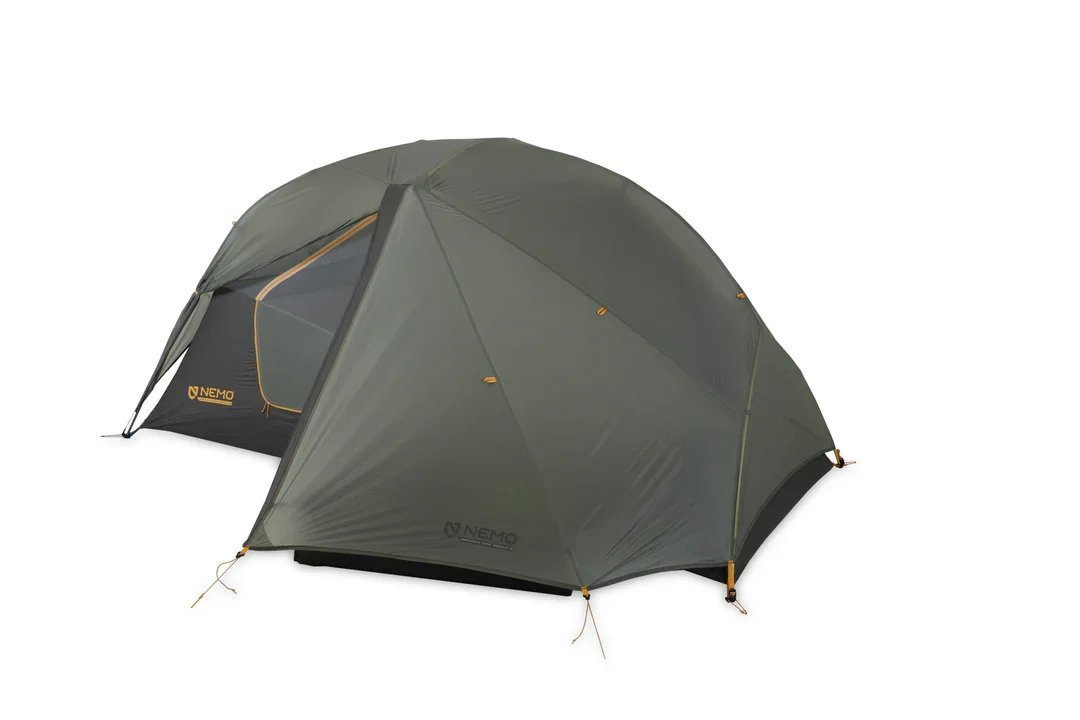
This has become my go-to shelter for backpacking, bikepacking, and motorcycle trips. It packs down small, pitches quickly, and has held up well in wind and shifting weather without adding unnecessary weight.
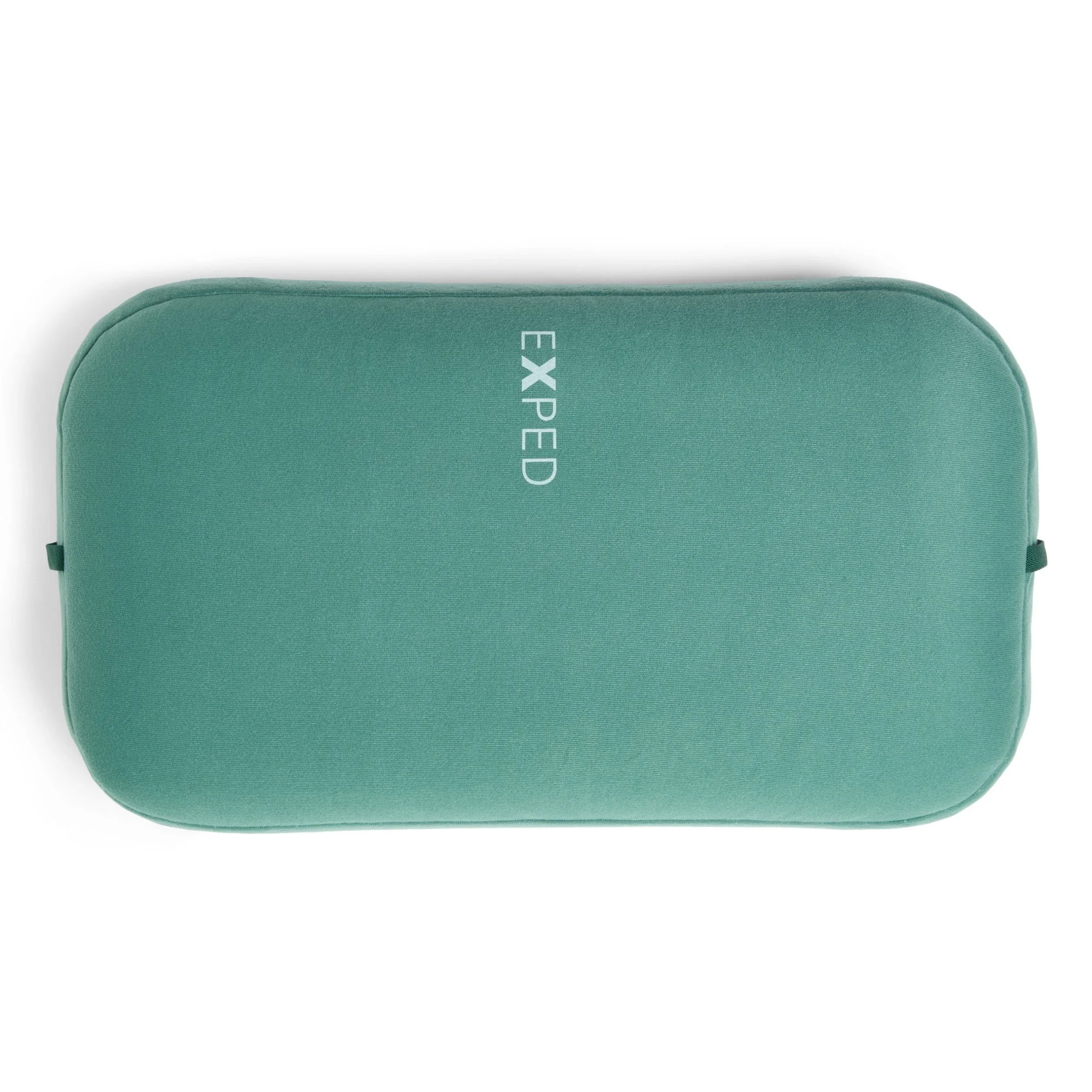
A small upgrade that makes a big difference. After years of stuffing jackets into stuff sacks, I switched to this and haven’t looked back. It packs down small and genuinely improves sleep quality.
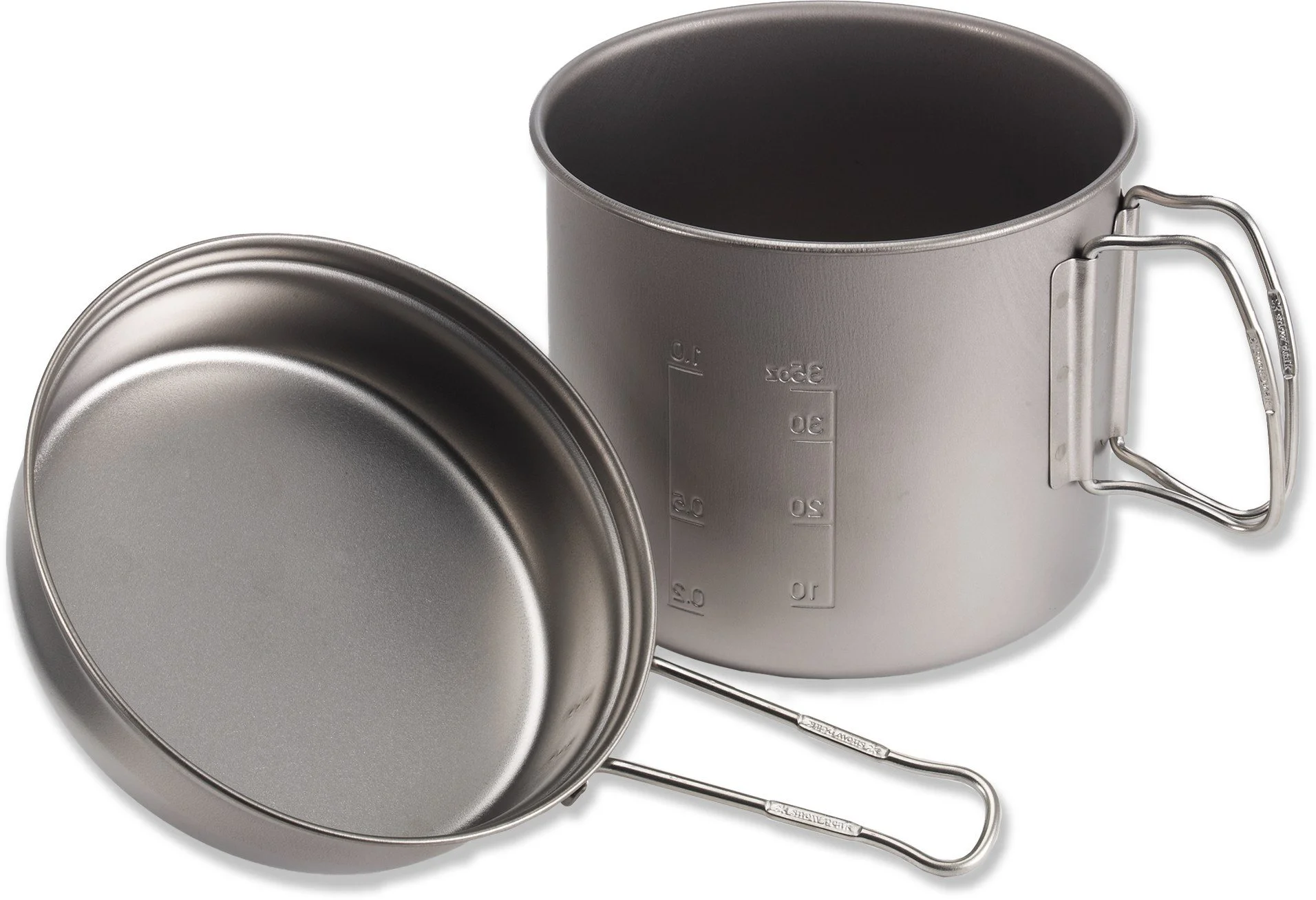
Lightweight and durable, this pot handles everything from simple coffee mornings to basic backcountry meals. It nests easily with my stove setup and keeps my cooking system streamlined.
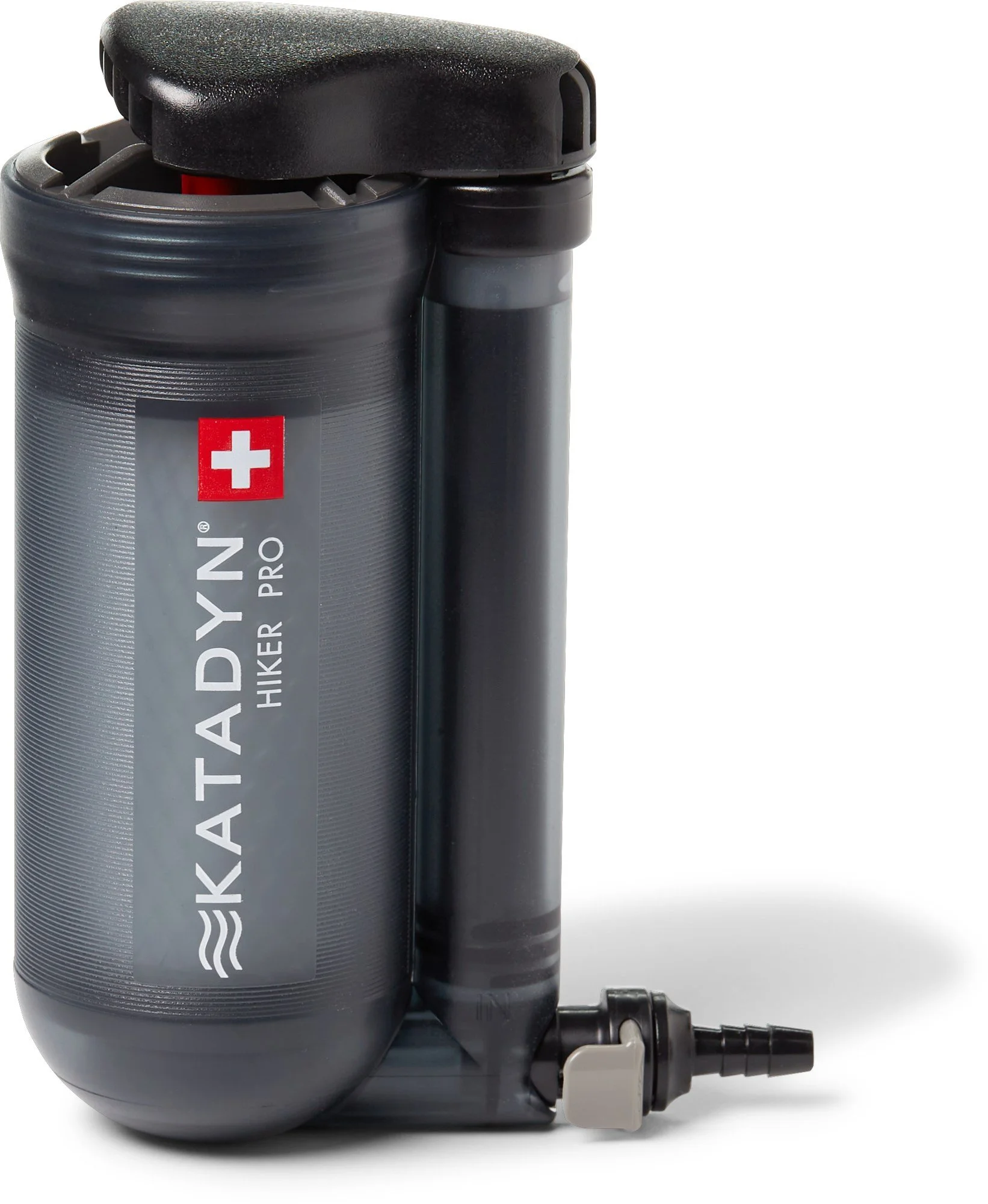
Clean water is non-negotiable in the backcountry. This filter is straightforward, dependable, and easy to use on multi-day trips.
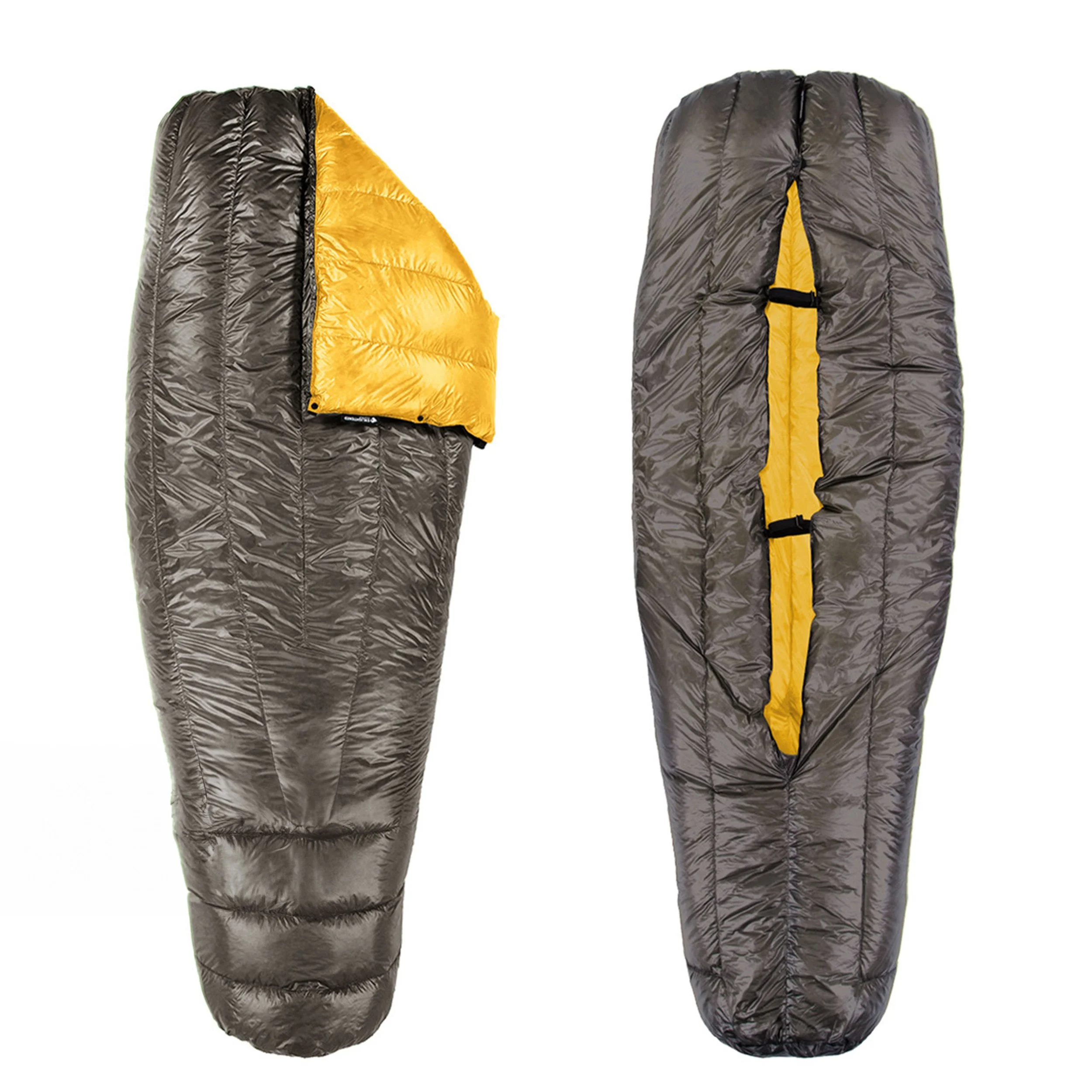
This is the sleep system I rely on for most human-powered trips. It’s lighter and more adaptable than a traditional sleeping bag, allowing me to regulate temperature easily while keeping weight and bulk to a minimum.
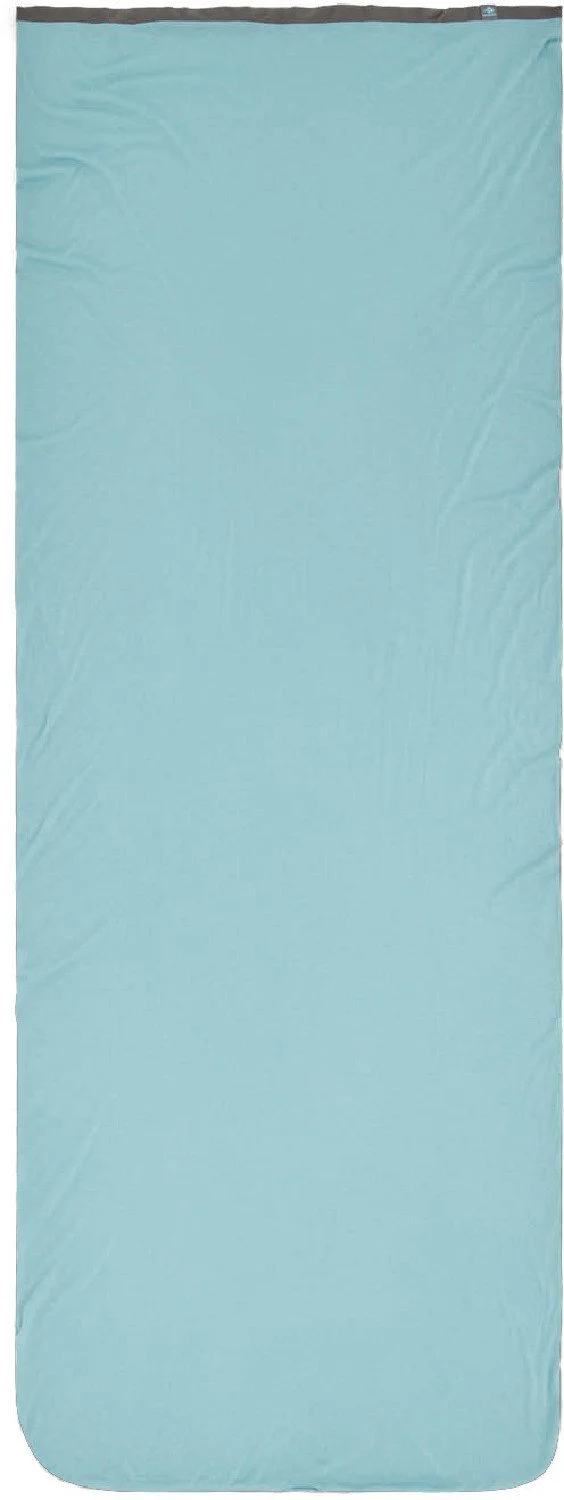
I use this to extend the temperature range of my sleep system and to keep my bag cleaner on longer trips. It’s lightweight, simple, and earns its place when conditions dip lower than expected.

Simple and indestructible. It’s one of those items that just work and never needs replacing. Best of all is’s super lightweight.
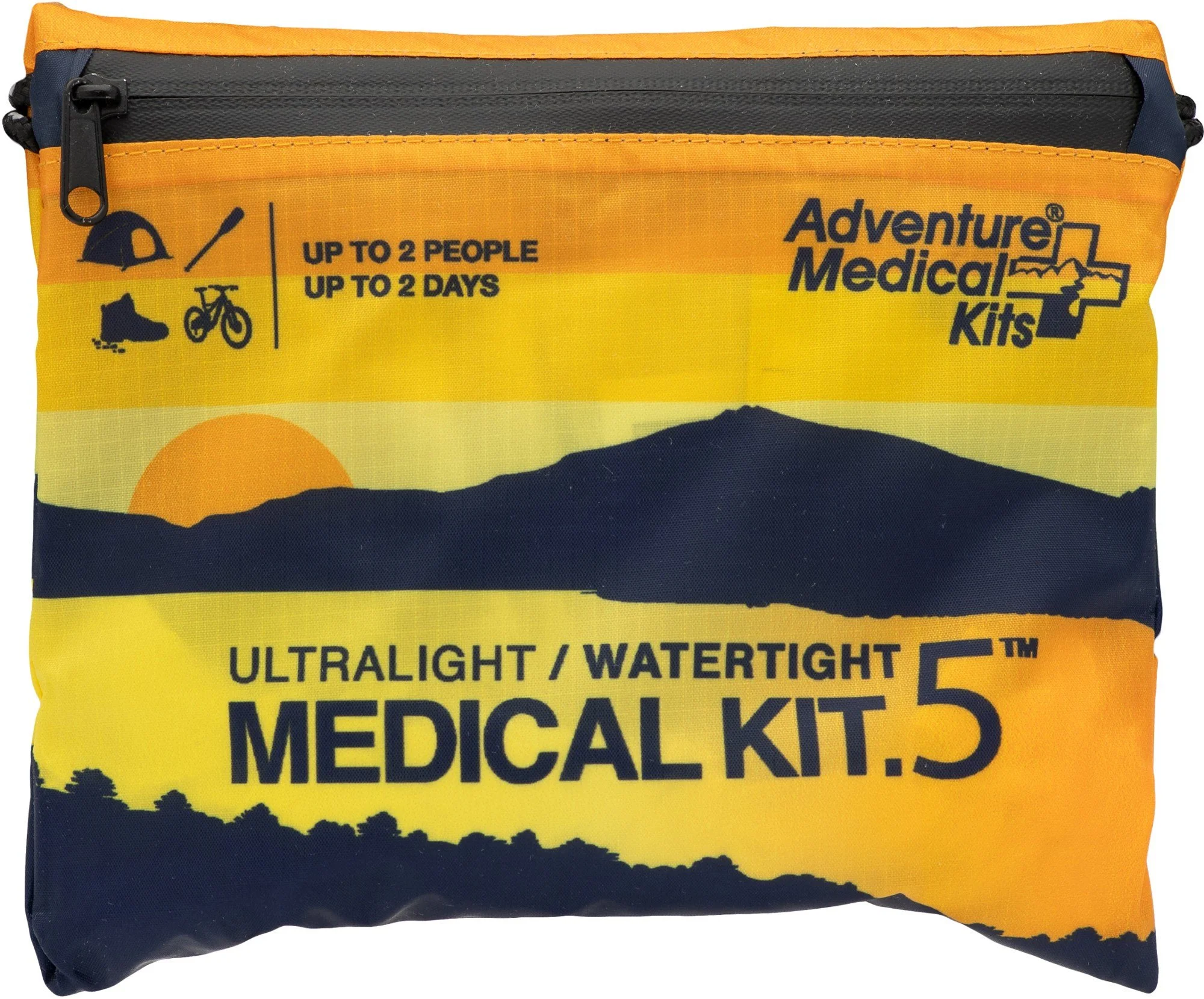
I keep a compact, organized kit tailored to the type of trip I’m on. Hopefully it stays unused, but it’s an essential part of responsible travel.
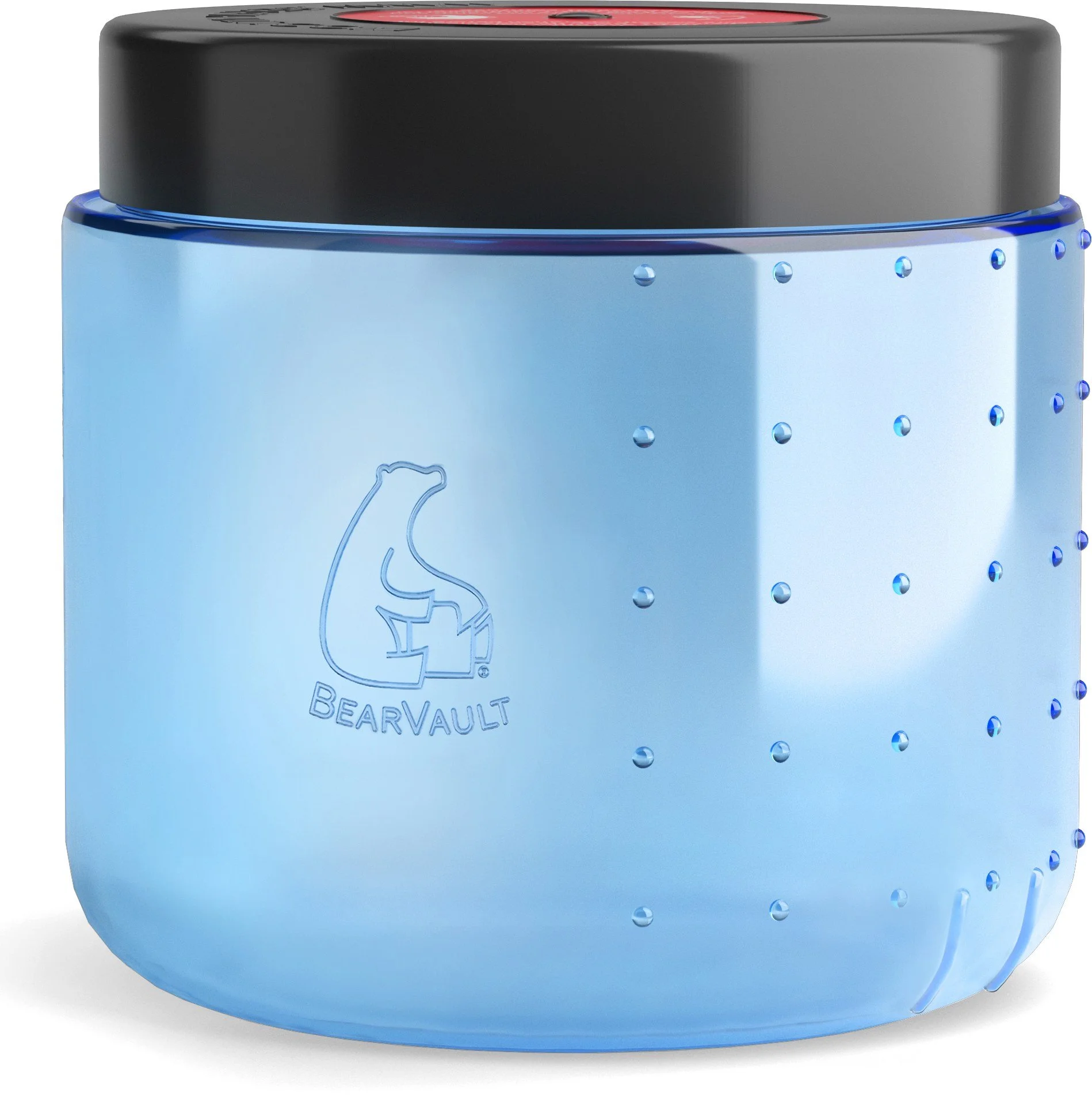
Required in some areas and simply smart in others. It protects food, protects wildlife, and keeps me compliant in bear country.
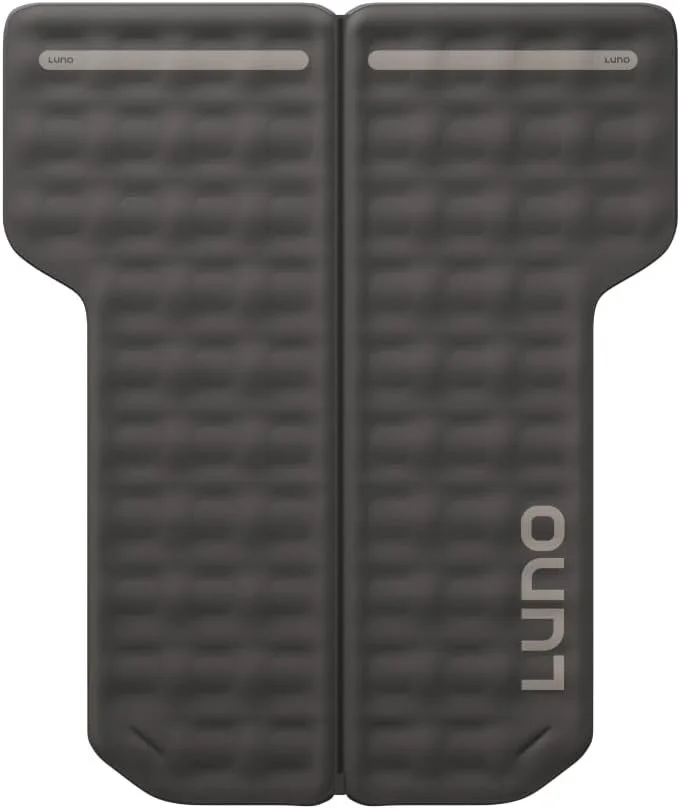
When I’m sleeping in the back of my 4Runner, this turns it into a comfortable and functional basecamp. It’s easy to set up and makes longer trips much more sustainable.
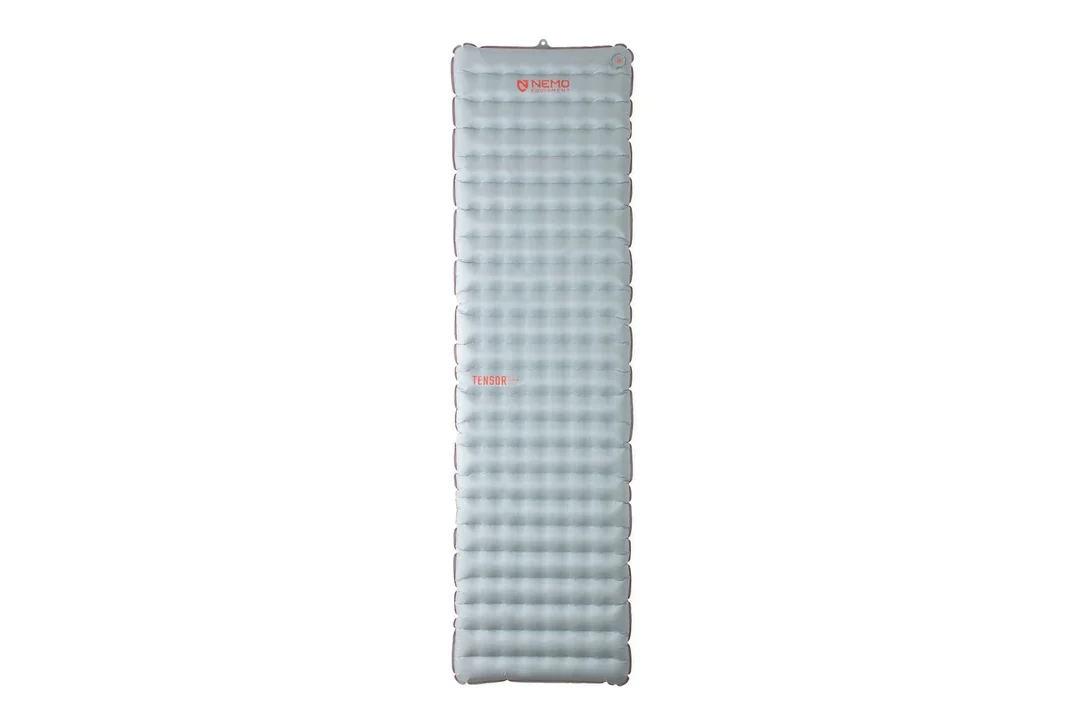
Comfort matters after long days outside. This pad balances warmth, weight, and packability, and it’s comfortable enough that I actually sleep well rather than just endure the night.
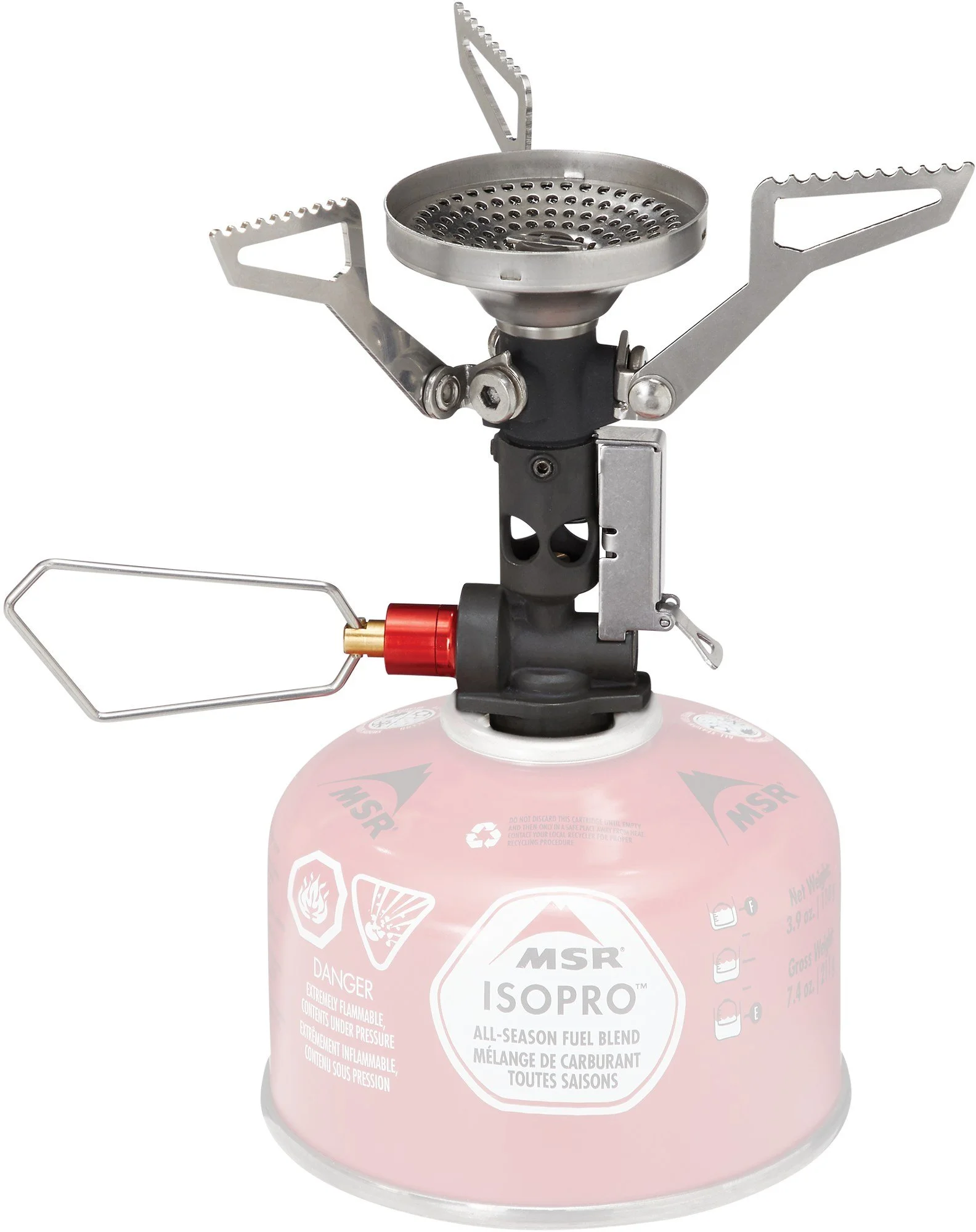
Reliable, compact, and easy to use. I want a stove that works without fuss at the end of a long day, and this one has been consistently dependable in different conditions.
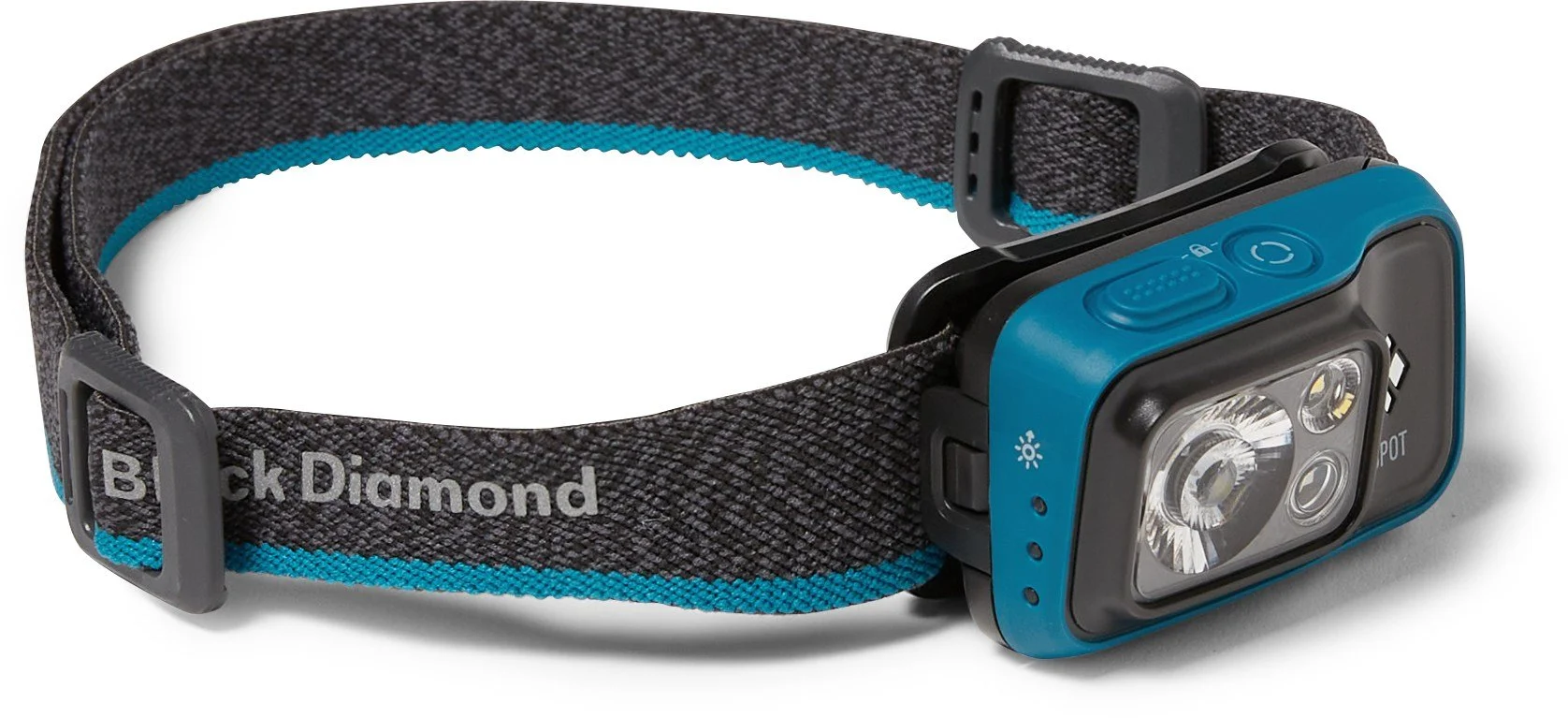
A dependable headlamp is non-negotiable. Whether I’m setting up camp late or heading out before sunrise with my camera, this provides consistent light without unnecessary bulk.
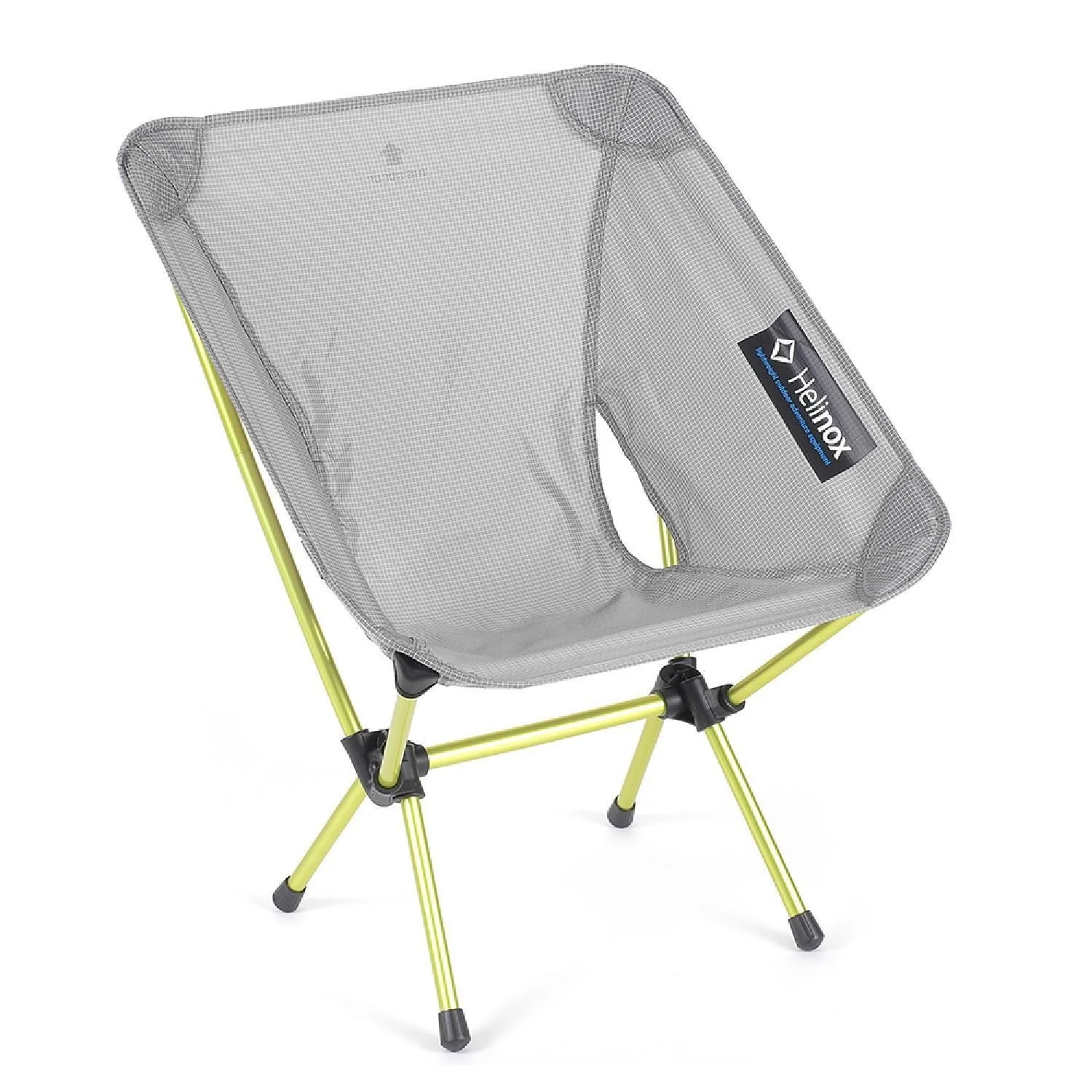
After a full day outside, having a lightweight chair changes camp entirely. It’s small enough to justify carrying and comfortable enough to actually use.
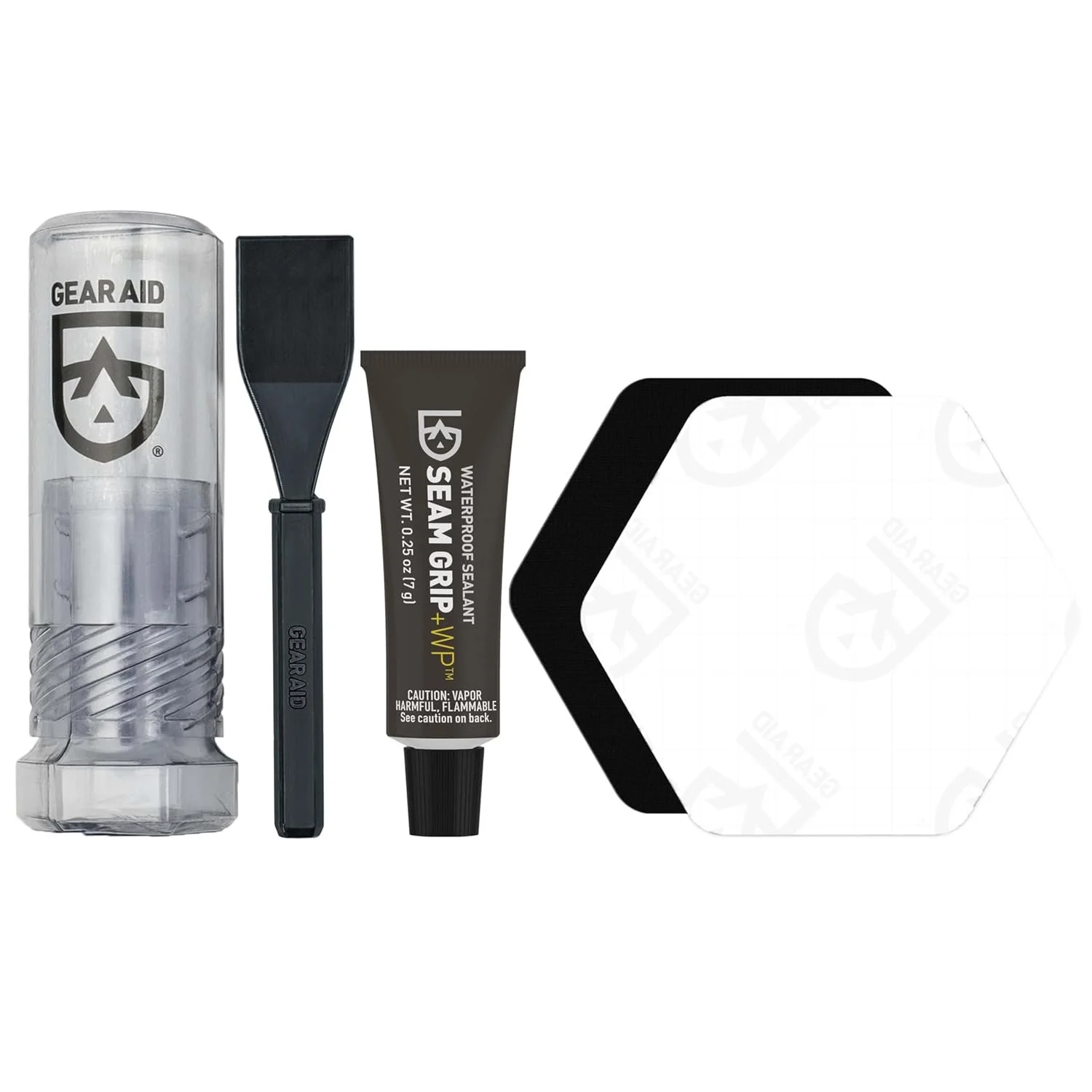
A small piece of insurance. This tape allows for quick repairs to essential gear like tents, jackets, and sleeping pads when something inevitably goes wrong…. And it will if it’s a good adventure.
Technical Apparel
I keep my clothing system simple and focused on versatility. Most of these layers are used across hiking, bikepacking, and motorcycle travel, depending on the conditions.
Instead of building separate kits for every activity, I rely on a small number of pieces that perform well in a range of environments.
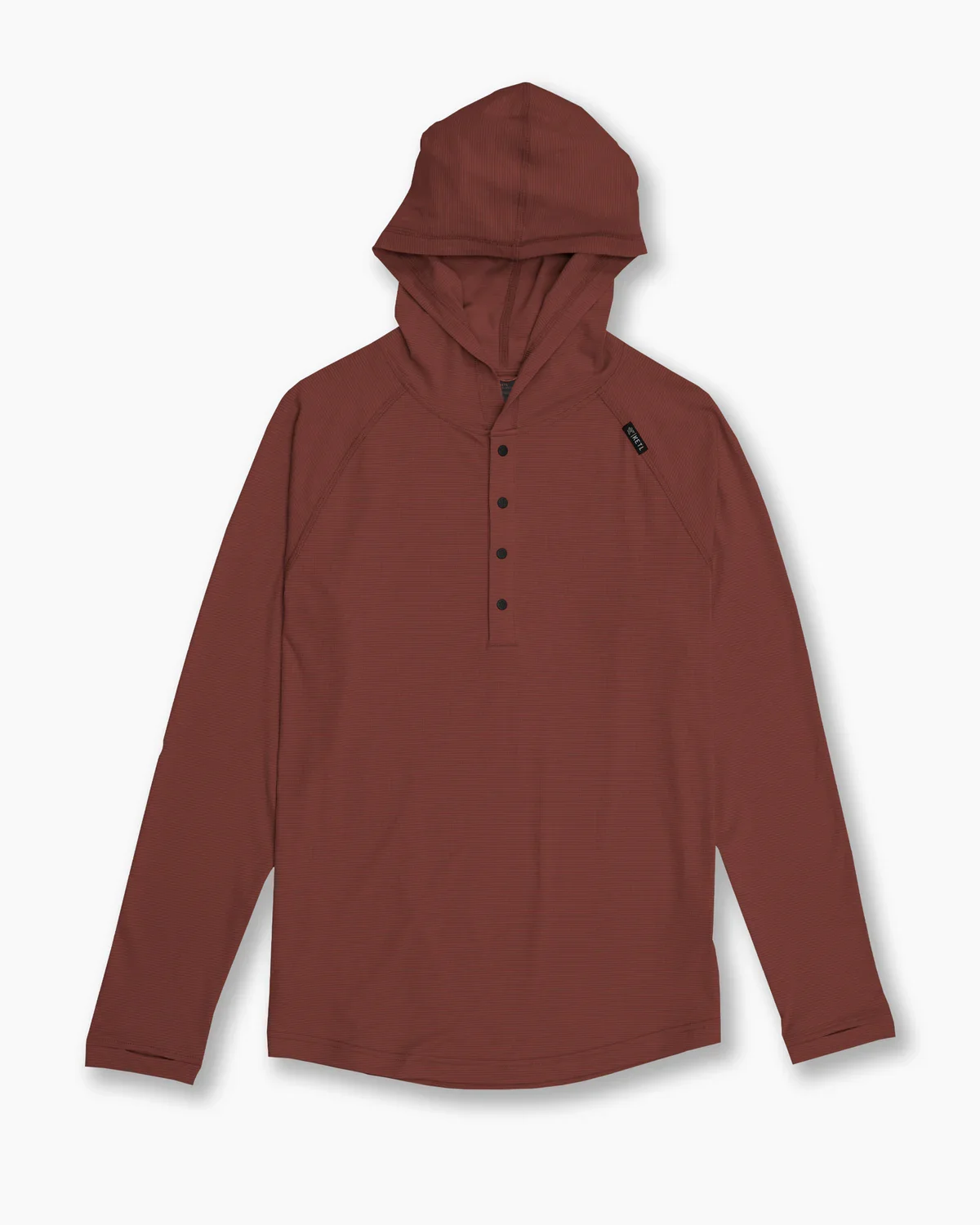
This is my go-to layer for long days in the sun. It’s lightweight, breathable, and keeps me covered without overheating, whether I’m hiking, riding, or moving through exposed terrain.
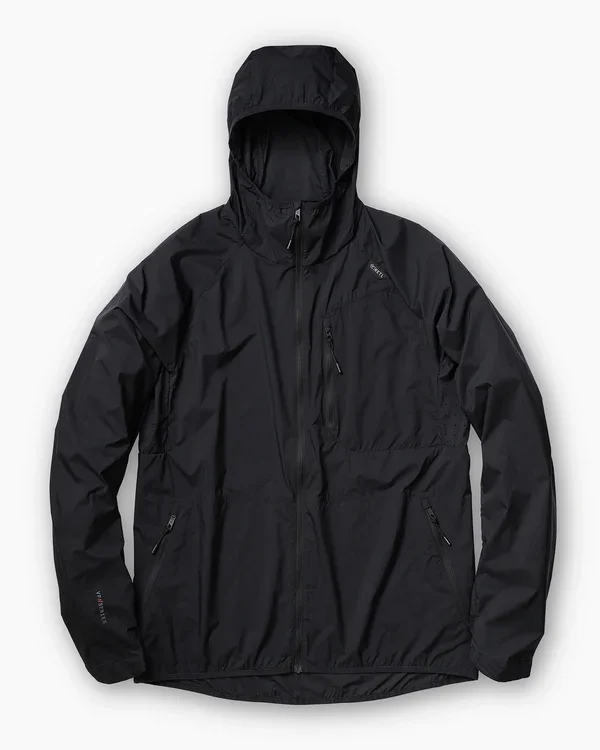
A simple, packable layer that comes out when the wind picks up or conditions shift. It blocks just enough without trapping heat, making it an easy piece to carry on almost any trip.
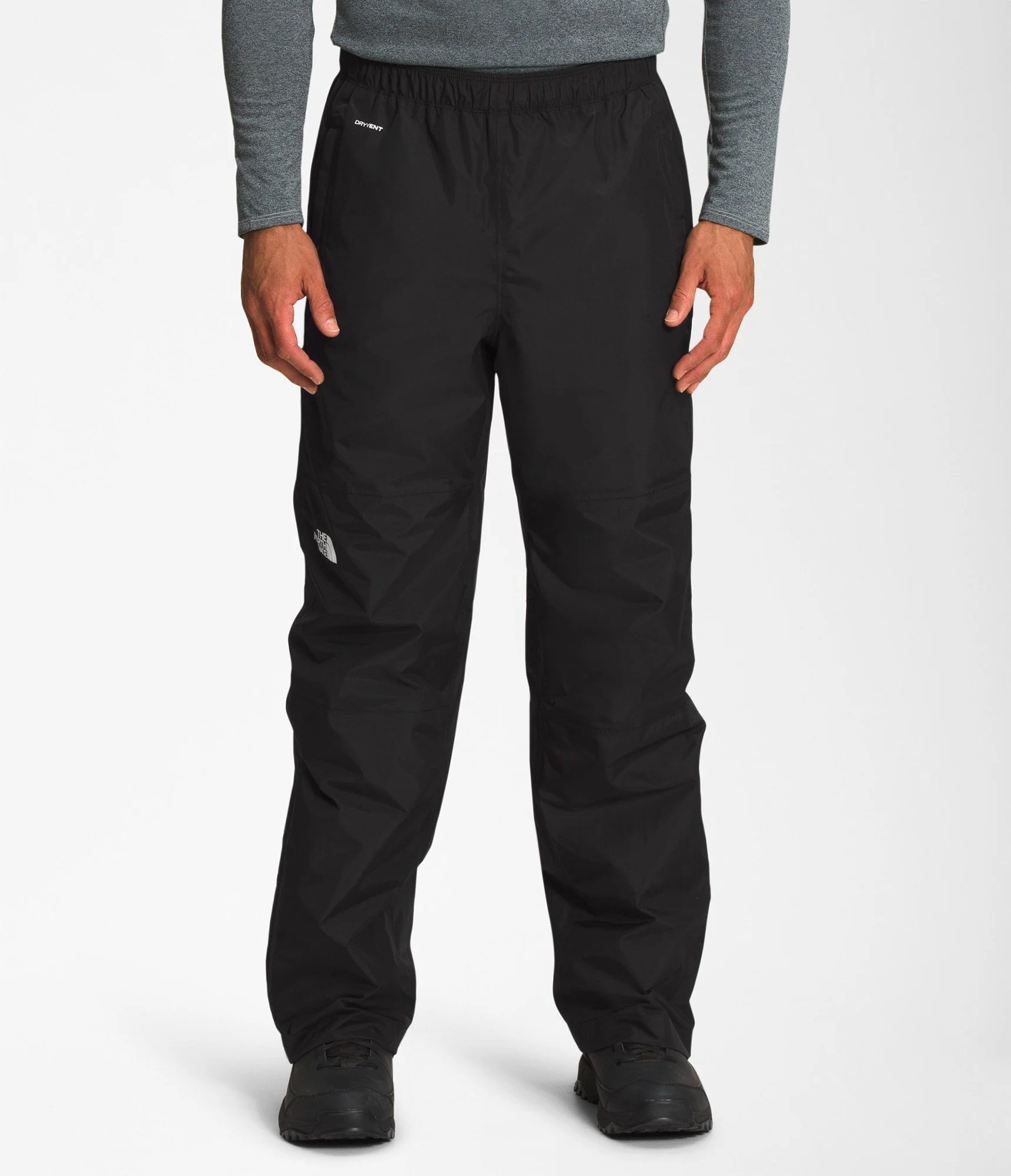
Not something I use often, but something I’m glad to have when I need them. They’re part of the system when weather turns from manageable to something you have to deal with.
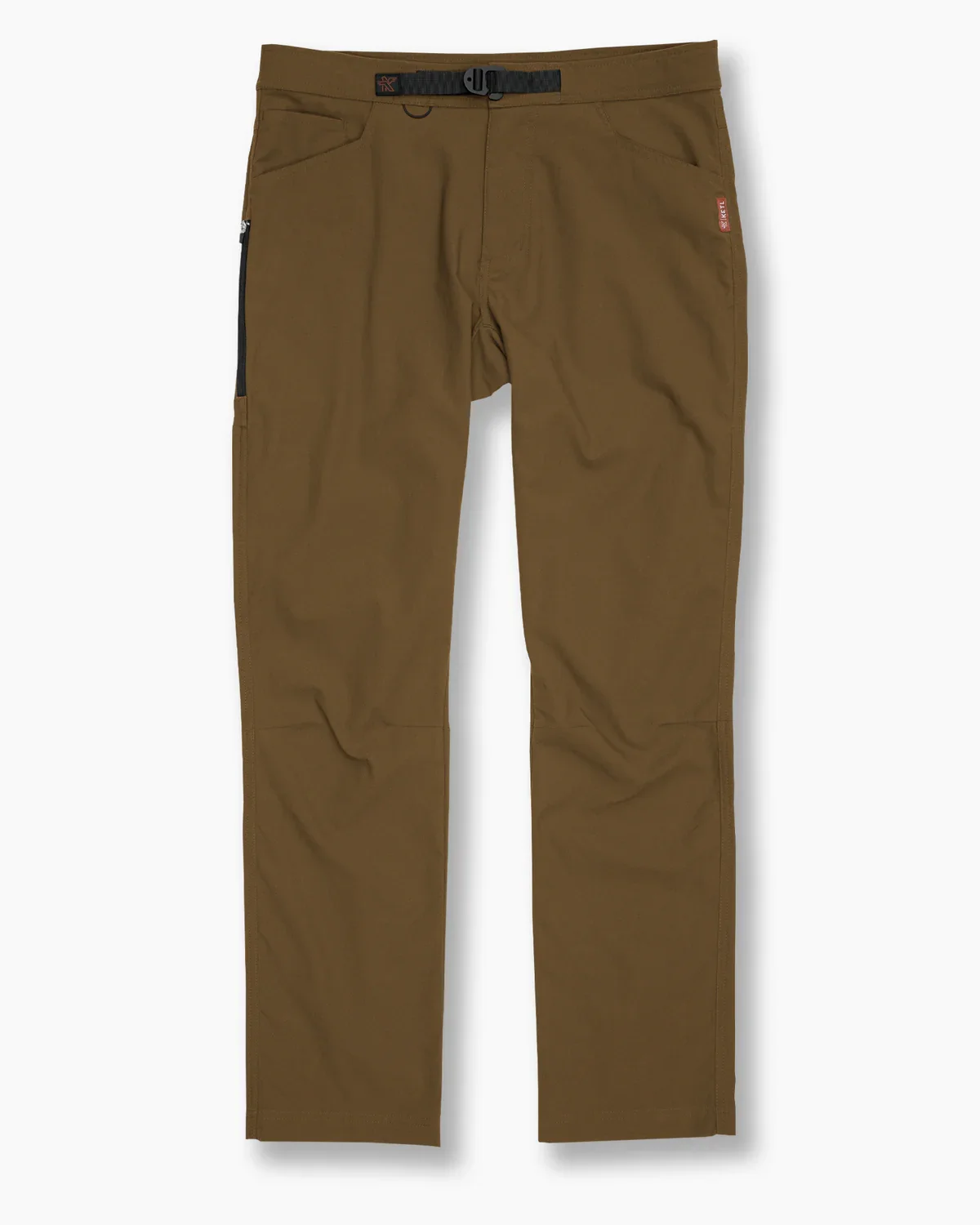
Shenanigan Outdoor Pant
A versatile pant that works across a range of conditions. It’s comfortable enough for long days of movement but durable enough to handle rough terrain without feeling bulky.
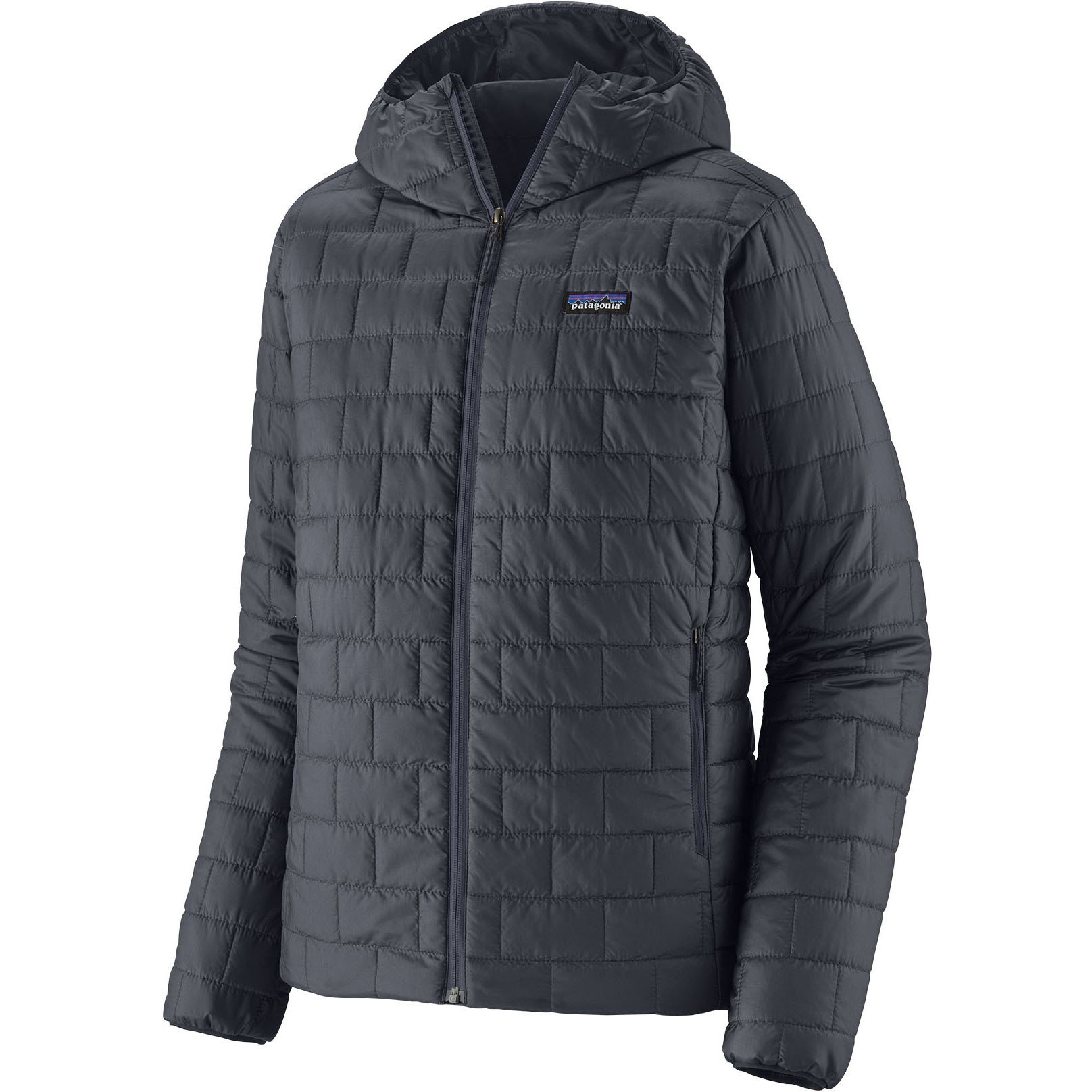
A good puffy jacket is one of the few non-negotiables. It adds reliable warmth with very little weight and is something I carry on almost every trip, no matter the conditions.
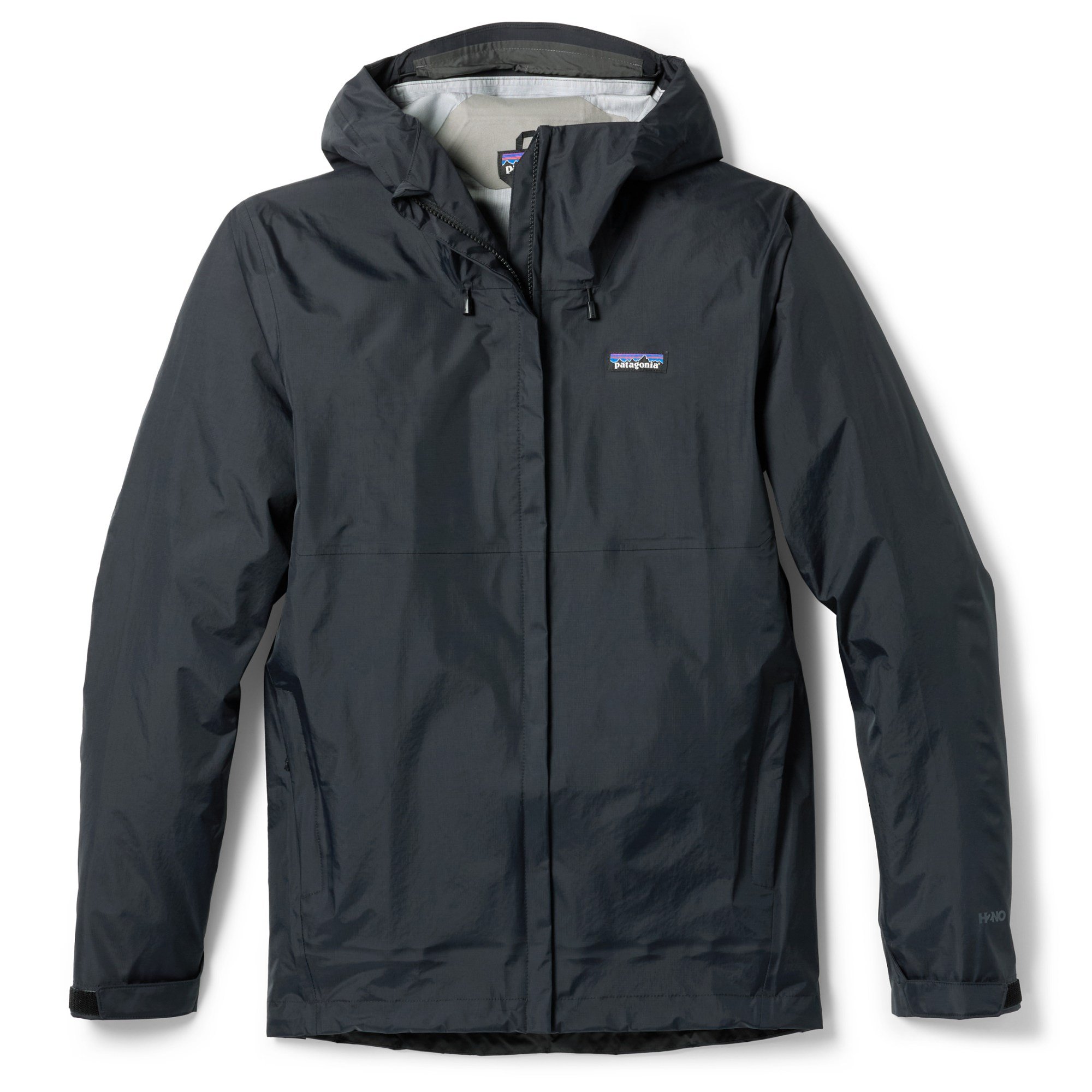
Rain Jacket
This is a layer I bring when the forecast is uncertain or when I’ll be exposed for long periods and need to stay protected from the elements.

This is an easy layer that I reach for often. It’s lightweight, comfortable, and works well on its own or as part of a layering system without adding unnecessary weight.
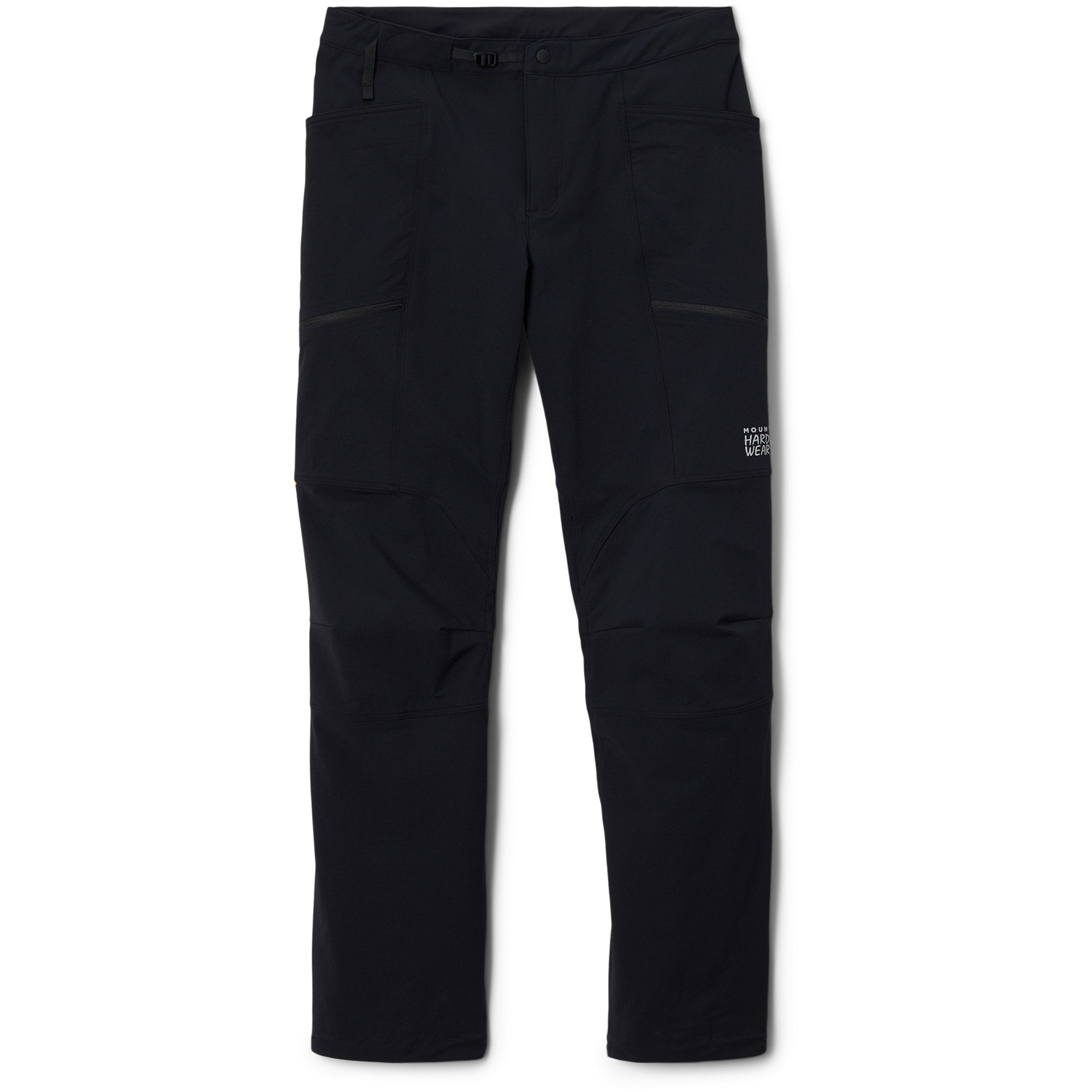
A good softshell pant is something I rely on for most trips. It balances durability, stretch, and weather resistance, making it comfortable to move in while holding up to rough terrain and changing conditions.
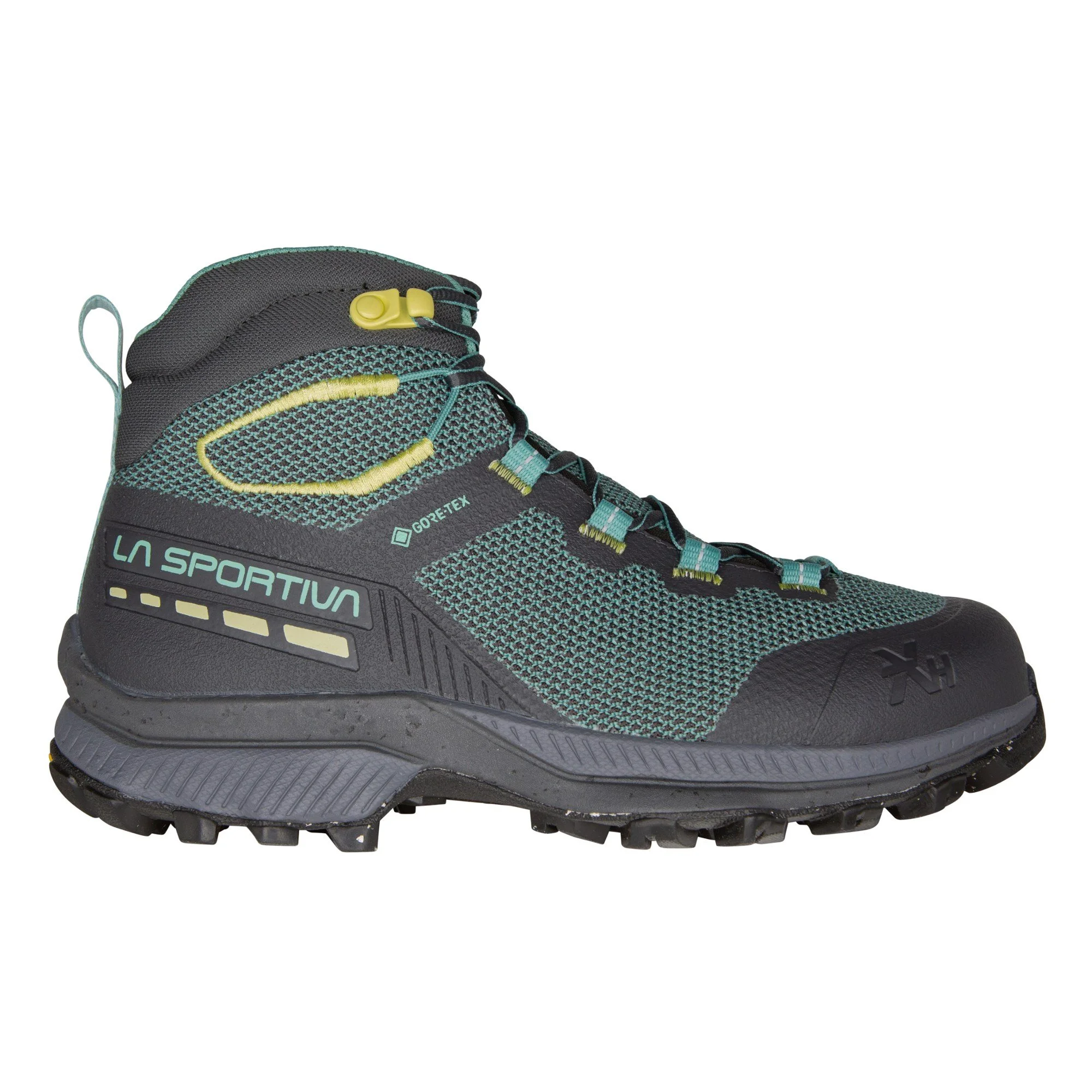
I prefer a solid hiking boot for stability and support, especially on uneven terrain. I have a bad habit of stepping on the edges of rocks and roots, and the added structure helps keep my footing consistent on longer days.
Gear is only part of the process. What matters more is where it takes you.
If you’re interested in putting this gear to use in real places, I offer photography workshops and share stories from the field through my journal.