
I Finally Purchased a New Camera: Which One, Why Now and Why It’s Not the Newest Model
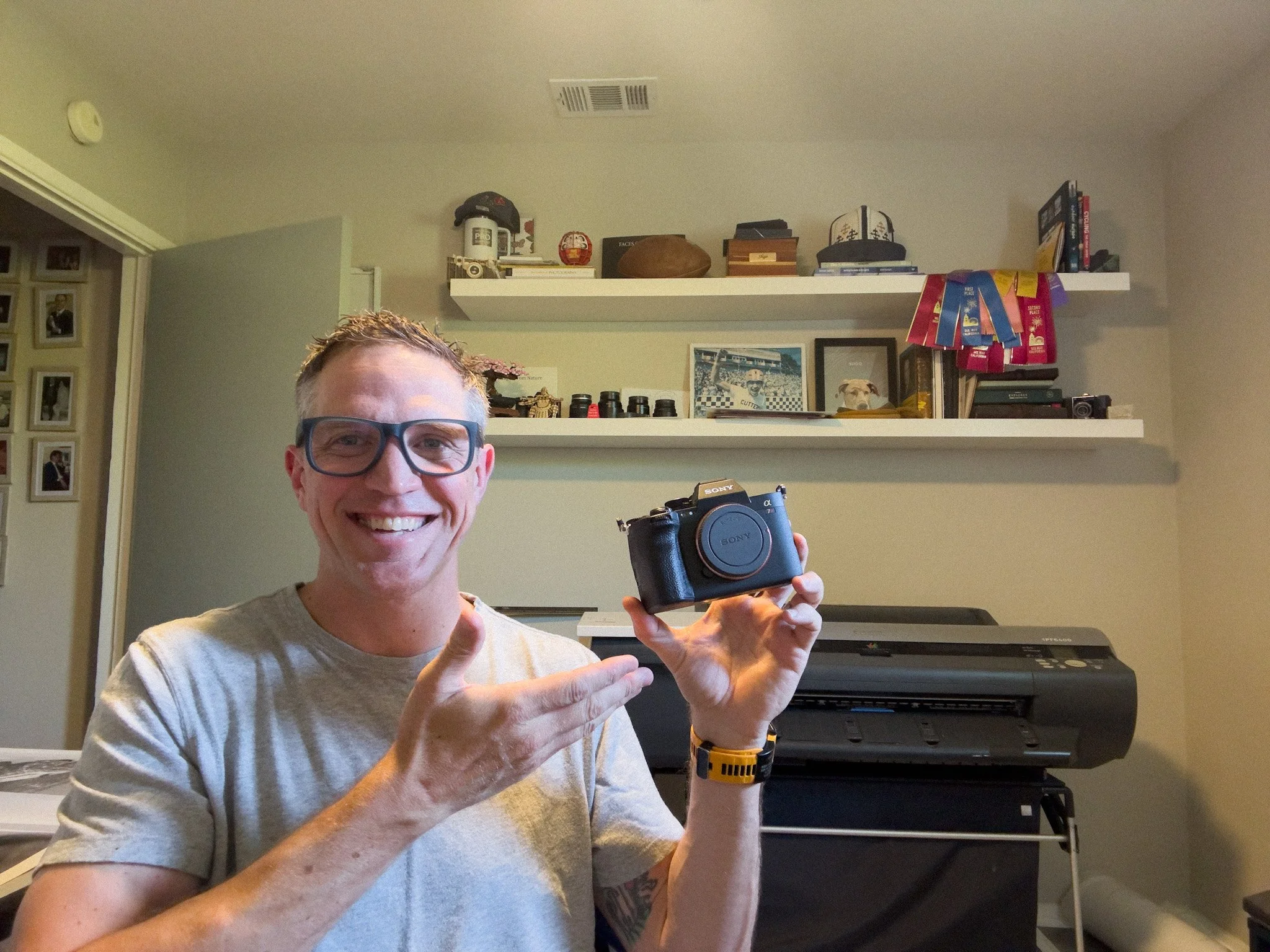
Packing for a photography trip is always an exercise in playing physical Tetris. Every lens has its place, batteries somehow multiply across the table, chargers and cables seem to tangle themselves overnight, and I inevitably find myself trying to convince a backpack that it has more room than it actually does. Preparing for my Kyrgyzstan workshop in three weeks was no different, at least not at first. As I laid everything out on the floor and began working through my checklist, I reached for my camera gear and stopped.
I only had one camera body.
A
That realization should have come much sooner than it did. Whenever I've traveled on important trips in the past, I've usually rented or borrowed a second body through my Sony Pro membership, it's one of the benefits I appreciate most because it lets me spend real time with a camera before deciding whether it's worth buying. In fact, it's advice I give to other photographers all the time. If you're thinking about purchasing a new camera, rent it first. Spend a weekend using it the way you normally photograph. No review on YouTube or comparison chart online will teach you as much as carrying it into the field yourself.
This trip, however, was different. I would be leading a two-week photography workshop through the Tian Shan Mountains before staying another week to bikepack through the country on my own. Borrowing another camera suddenly became much less practical. I would have to arrange shipping, worry about return dates, and hope nothing changed while I was on the other side of the world. More importantly, I realized I wasn't comfortable leading a workshop in one of the most remote places I'd ever visited while relying on a single camera body. If something happened to my camera during a personal trip, I'd be disappointed. If it happened while I was responsible for a group of photographers who had traveled halfway around the world to be there, that would be an entirely different situation.
Fortunately, I caught it before it was too late. A few minutes on Adorama, expedited shipping, and a healthy amount of trust in UPS solved the immediate problem. Looking back, it's funny how quickly I placed the order. After nearly seven years with my Sony a7R III, I'd spent the last year deciding whether it was finally time to add another camera to my bag. Once I'd answered that question honestly, clicking the "Place Order" button only took a few seconds.
Like a lot of photographers, I'd been waiting for the next announcement. Rumors about the Sony a7R VI surfaced every few months, and every time they did I found myself thinking, do I really need it and maybe I should wait just a little longer. Surely the next version would have one feature that made the decision obvious. After a while I realized I wasn't waiting because my photography needed a new camera. I was waiting because photographers are constantly reminded by the marketing teams that whatever comes next will surely be better than what we already own.
Eventually I stopped wondering what Sony was going to announce and started asking myself a much simpler question: What do I actually need?
That question immediately made me think about the camera that's been in my hands for nearly seven years. I purchased my Sony a7R III in June of 2019, and in the years since it has traveled with me through deserts, mountains, forests, snowstorms and coastlines where it. The buttons and dials are a little crusty from dust and salt water. It's been backpacking, bikepacking, and moto camping. It's photographed portfolio images, gallery prints, award-winning work, and countless quiet mornings that will never mean much to anyone else but still mean everything to me. At no point during those seven years did I ever come home, look at one of those photographs, and think the camera had somehow held me back.
B
C
I've often told people that gear doesn't matter until it matters, and I still believe that's true. Most photographers won't make better photographs by buying a newer camera. They'll make better photographs by spending more time outside, learning to recognize good light, slowing down, and becoming more intentional about why they're making the image in the first place. Cameras are incredible tools, but they rarely become the limiting factor as quickly as we convince ourselves they do.
My reason for buying another camera had very little to do with making better photographs. In fact, it had almost nothing to do with photography itself. It had everything to do with responsibility. Somewhere over the past few years my work progressed. I wasn't only making photographs for myself and to print for sales anymore; I was leading workshops, teaching, and taking people into places where they trusted me to be prepared. Carrying a backup camera body was no longer about peace of mind for me. It had become part of my responsibility to the people who had trusted me with their experience.
Once I understood that, the decision between camera models became surprisingly straightforward. When the a7RV was first released in December 2022, I didn't seriously consider upgrading. My a7R III was still doing everything I needed it to do, and I simply couldn't justify spending the money at the time. It wasn't until I recently realized I needed a dependable second body of my own for teaching workshops that I started looking again.
Like most photographers, I also wanted to see what Sony would do next. I waited for the a7R VI announcement, read the reviews, watched the videos, and compared the specifications. The stacked sensor is a remarkable piece of technology. The dramatically reduced rolling shutter, faster sensor readout, improved processor, and higher burst rates are genuine improvements. If I photographed professional sports, birds in flight every day, or fast-moving commercial work, those features would absolutely matter.
But that's not the kind of photography I do.
Most of my work is made from a tripod. When I'm standing in front of a sandstone wall waiting for reflected light, photographing an intimate forest scene, or making images beneath the stars, rolling shutter simply isn't something I think about. I don't need twenty or thirty frames per second, and while faster performance is always nice, it wouldn't meaningfully change the photographs I make.
D
E
The features that did matter to me were much quieter. The autofocus improvements will certainly help with the wildlife I occasionally photograph and with the growing amount of video I've started creating. The AI subject recognition is genuinely useful, and the improved image stabilization will be welcome whenever I'm working handheld or traveling light. I also found myself appreciating the fully articulating rear screen far more than I expected, especially for low-angle compositions and video work. Those improvements fit the way I already work rather than asking me to change it.
The more I thought about it, the more I realized I wasn't looking for the newest technology. I was looking for an updated version of the camera I already trusted.
Over the years I've customized nearly every button, dial, and menu on my Sony cameras. I have separate memory recalls programmed for the different ways I photograph, and I can move from a quiet landscape to a moving bird, or from still photographs to video, without taking my eye away from the viewfinder. After nearly seven years with the system, those settings have become muscle memory. I don't think about where a button is or which menu I need to open because the camera has become an extension of the way I work.
Since I'd already borrowed an a7RV through Sony Pro I was already familiar with it, I also knew there wouldn't be much of a learning curve, just a little time to setup the camera for me. I could leave for Kyrgyzstan confident that I wasn't introducing an unfamiliar tool into an already demanding trip.
Could I have stretched my budget and purchased the a7R VI? Probably. But I'd rather spend that $1,500 difference on another adventure. More megapixels, faster processors, and another page of specifications will always be tempting, but more time in new places has consistently done more for my photography than any new camera ever has. And the a1ii is an absolutly incredible piece of equipment but it’s $7,000 which is way out of the question for me, the extra money is a heck of a lot of tanks of gas for my truck!
As you read this, you'll notice five photographs spread throughout the article. I've labeled them simply A, B, C, D and E. Each was made with a different camera: the Sony a6000, Sony a7 II, a7R III, a7RV, and the flagship a1. Before looking at the captions below, take a minute and simply enjoy the photographs. Ask yourself if you can tell which camera made which image. Can you tell which one was made with an “entry level” 12 MP crop sensor vs the top of the line Sony?
My guess is that most people can't. That's exactly the point.
I get that question all the time, but almost always from other photographers. I've never had a collector stand in front of one of my prints and ask what camera I used. They're responding to the light, the composition, the feeling, and the experience behind the photograph. The camera is simply the tool that allowed me to create my art.
My a7R III isn't going anywhere. It'll still be in my backpack on future adventures, and I have every confidence that it'll continue making photographs I'm proud of for years to come. The a7RV isn't replacing it so much as joining it. One camera will become my primary body, while the other becomes the dependable backup that allows me to head into remote places with a little more confidence. It'll also be nice not to swap lenses quite so often. When the light is changing quickly, having two cameras with different focal lengths ready to go is a luxury I’ll certainly enjoy.
Looking back, I'm glad I waited. Waiting forced me to separate what I wanted from what I actually needed, and those turned out to be two very different things. I'd still rather spend my money on another trip than on a camera I don't truly need. Every new camera eventually becomes an old camera. The experiences it helps create are the part that lasts.
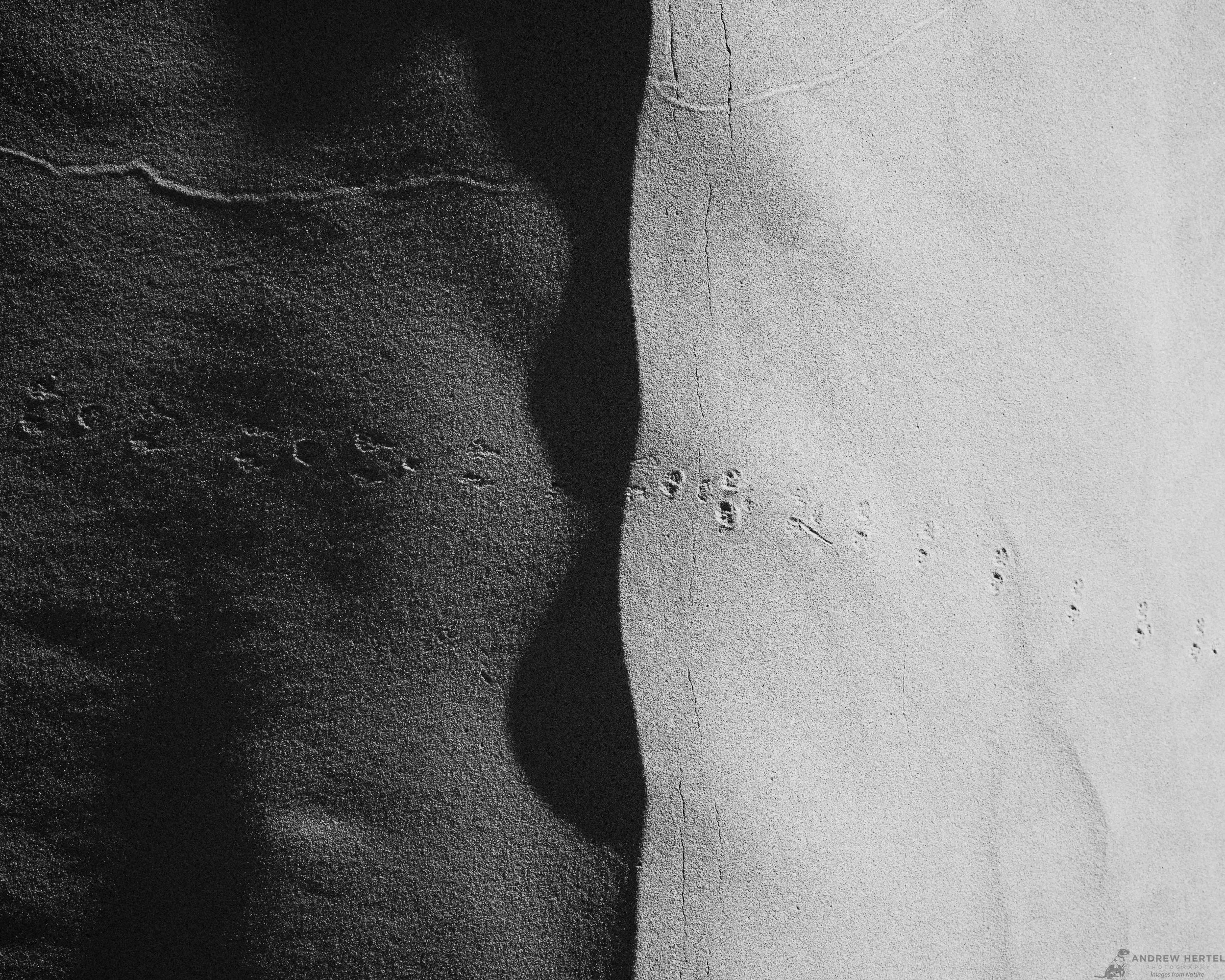
A: Sony a7RV (Released 2022) $3,500
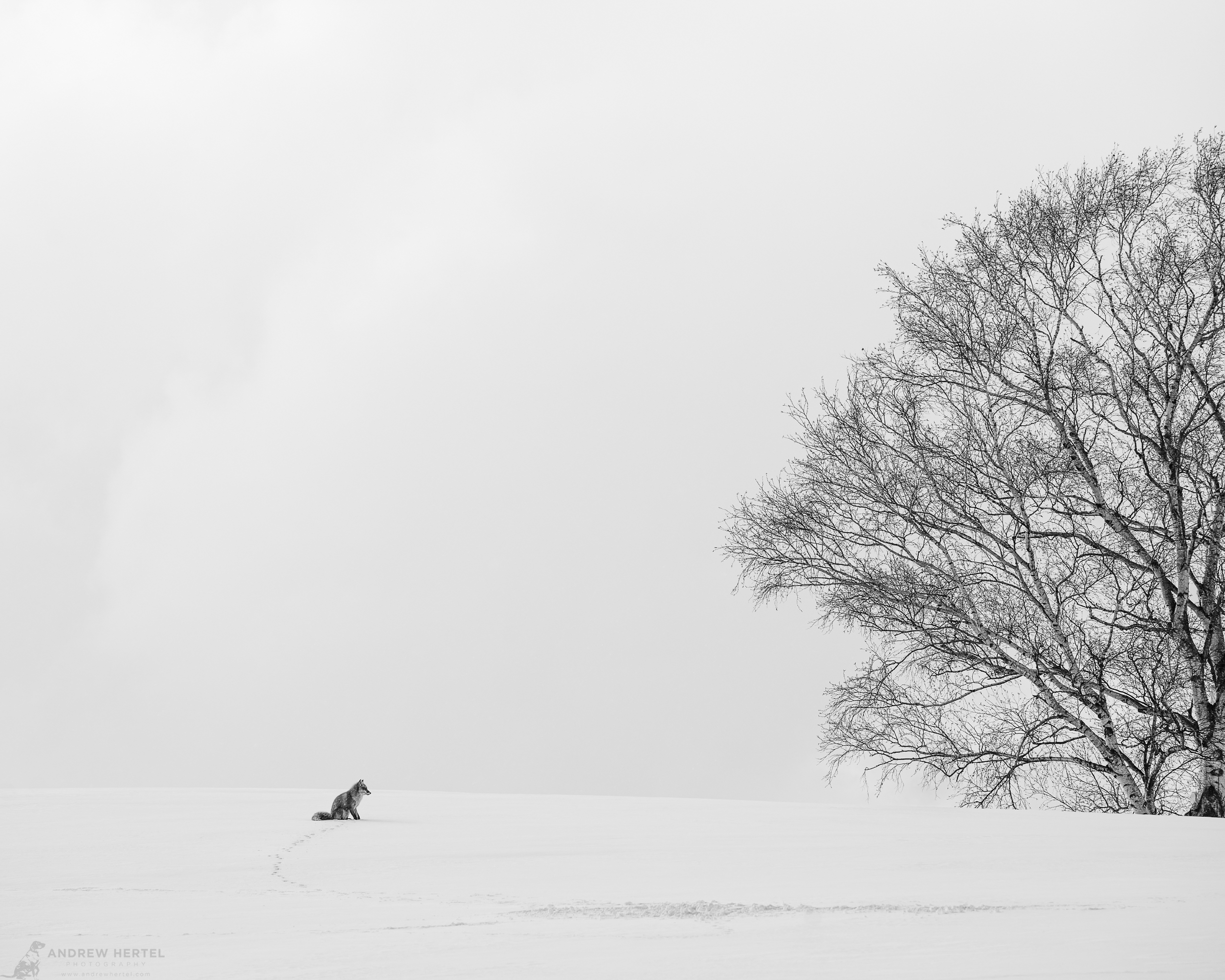
B: Sony a1 (Released 2021) $7,000
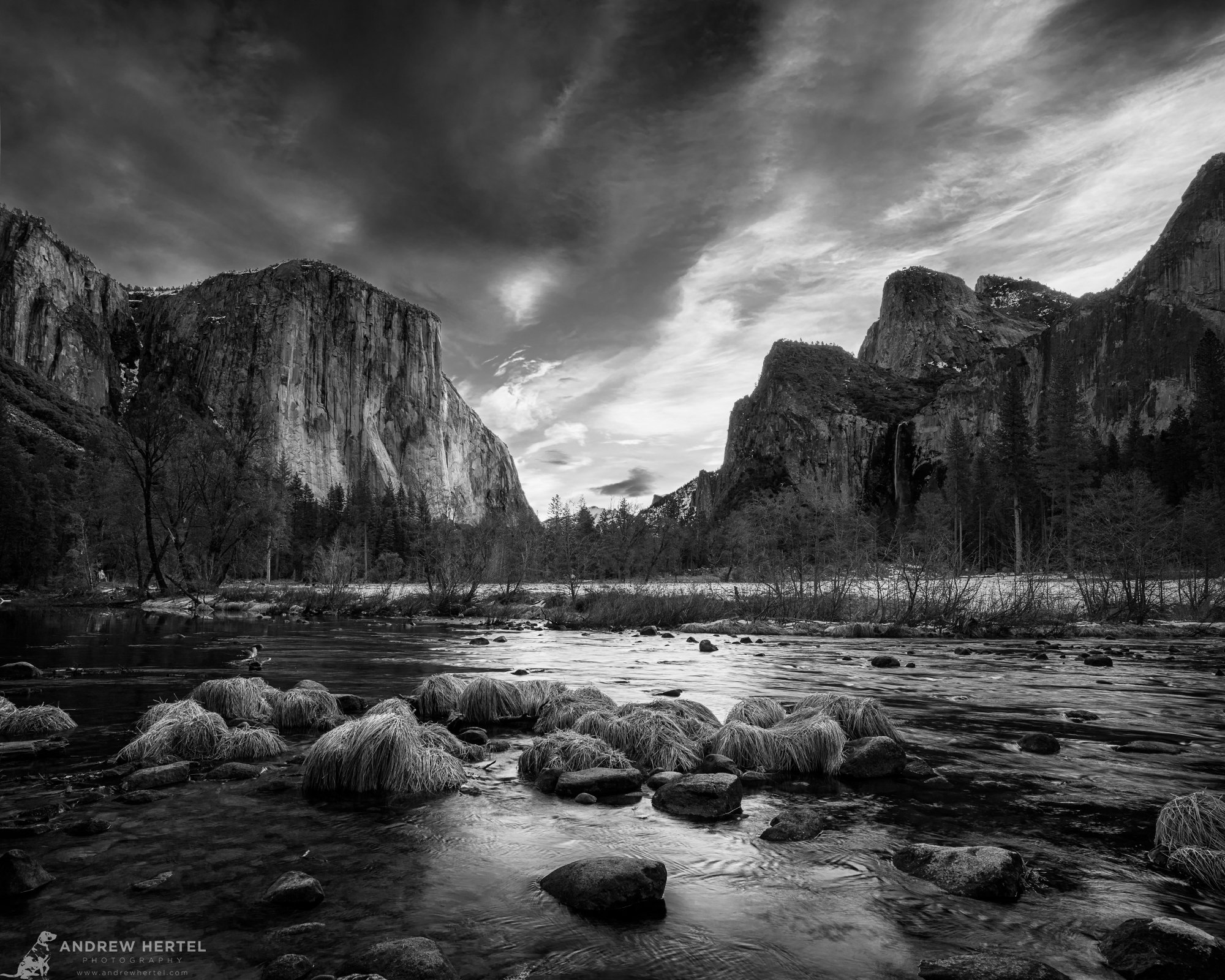
C: Sony a7RIII (Released 2017) $3,200
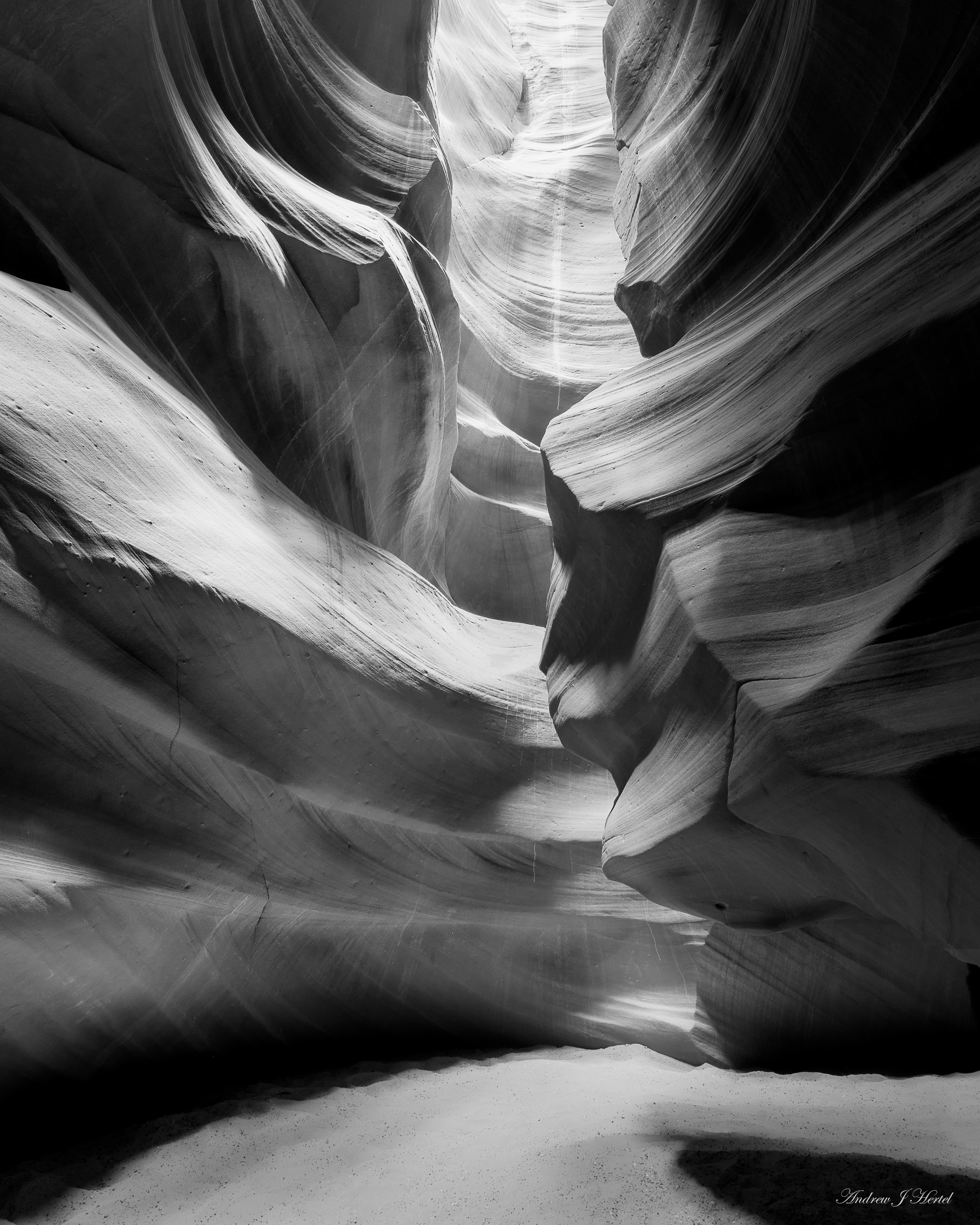
D: Sony a7II (Released 2014) $1,700

E: Sony a6000 (Released 2014) $800
Thank you as always for following along on my journey, if you have any question or just want to say hi please reach out via email.
Keep seeking the extraordinary in the world around you!
~Andrew
