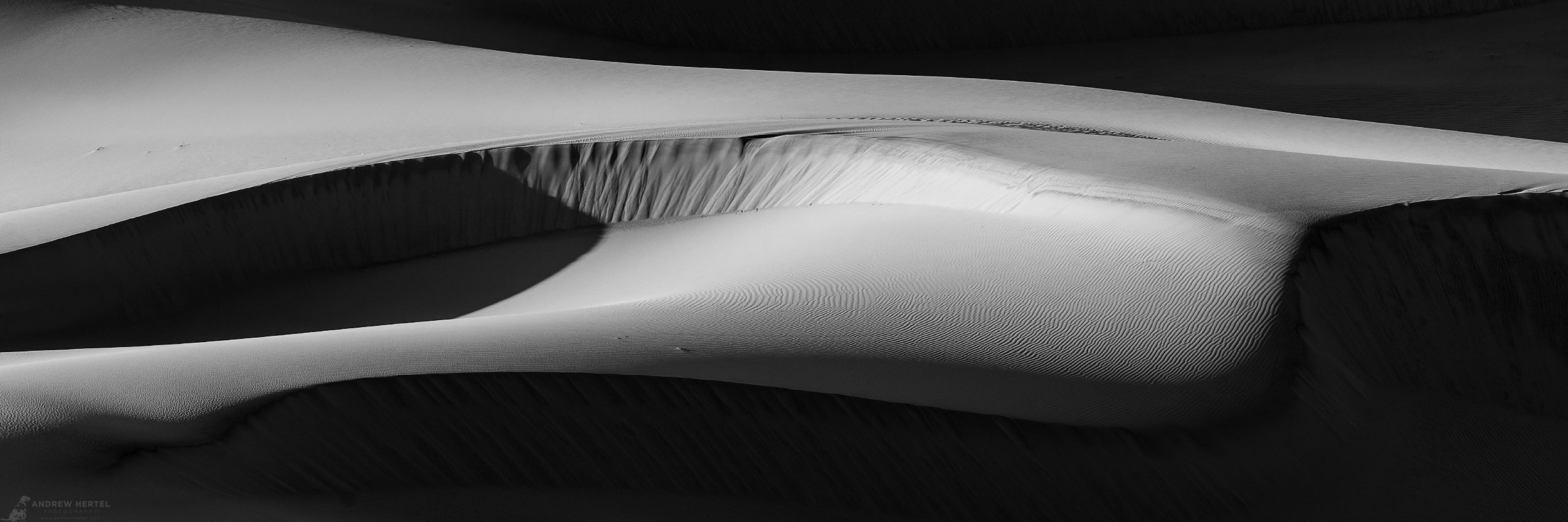
Death Valley Black and White Workshop
A small-group photography workshop focused on learning to see through light, shadow, texture, shapes, forms and composition in one of the most inspiring landscapes in the American West.
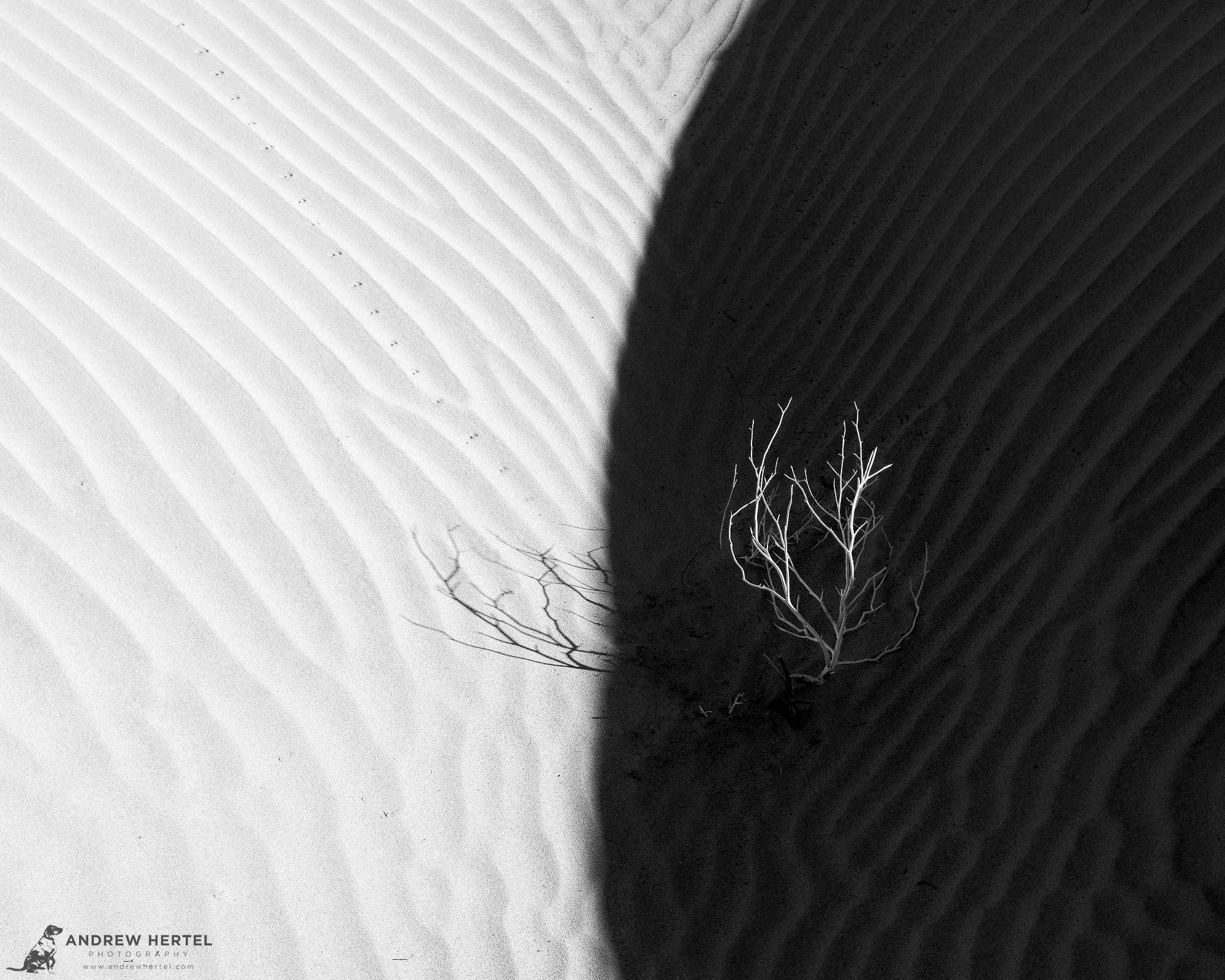
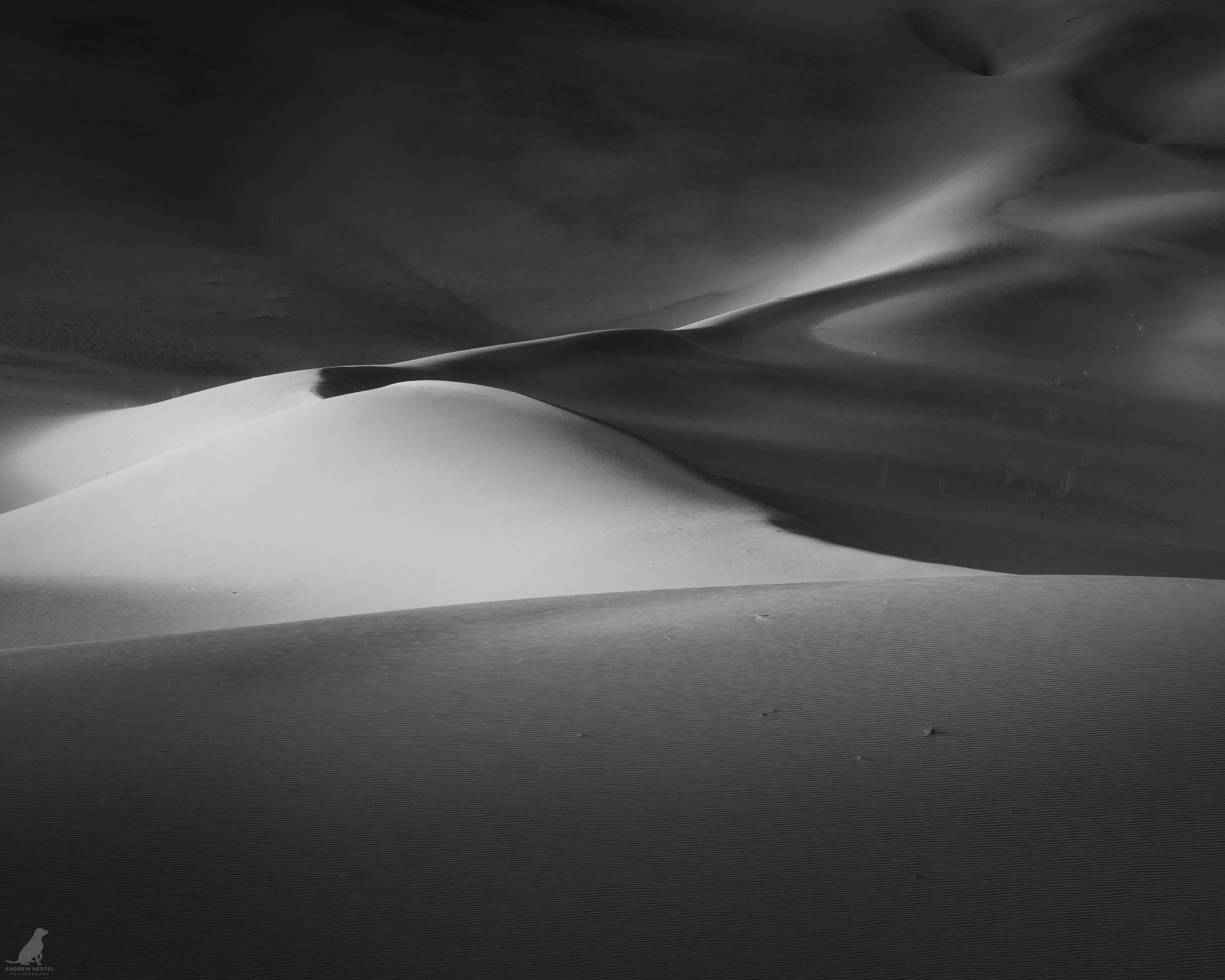
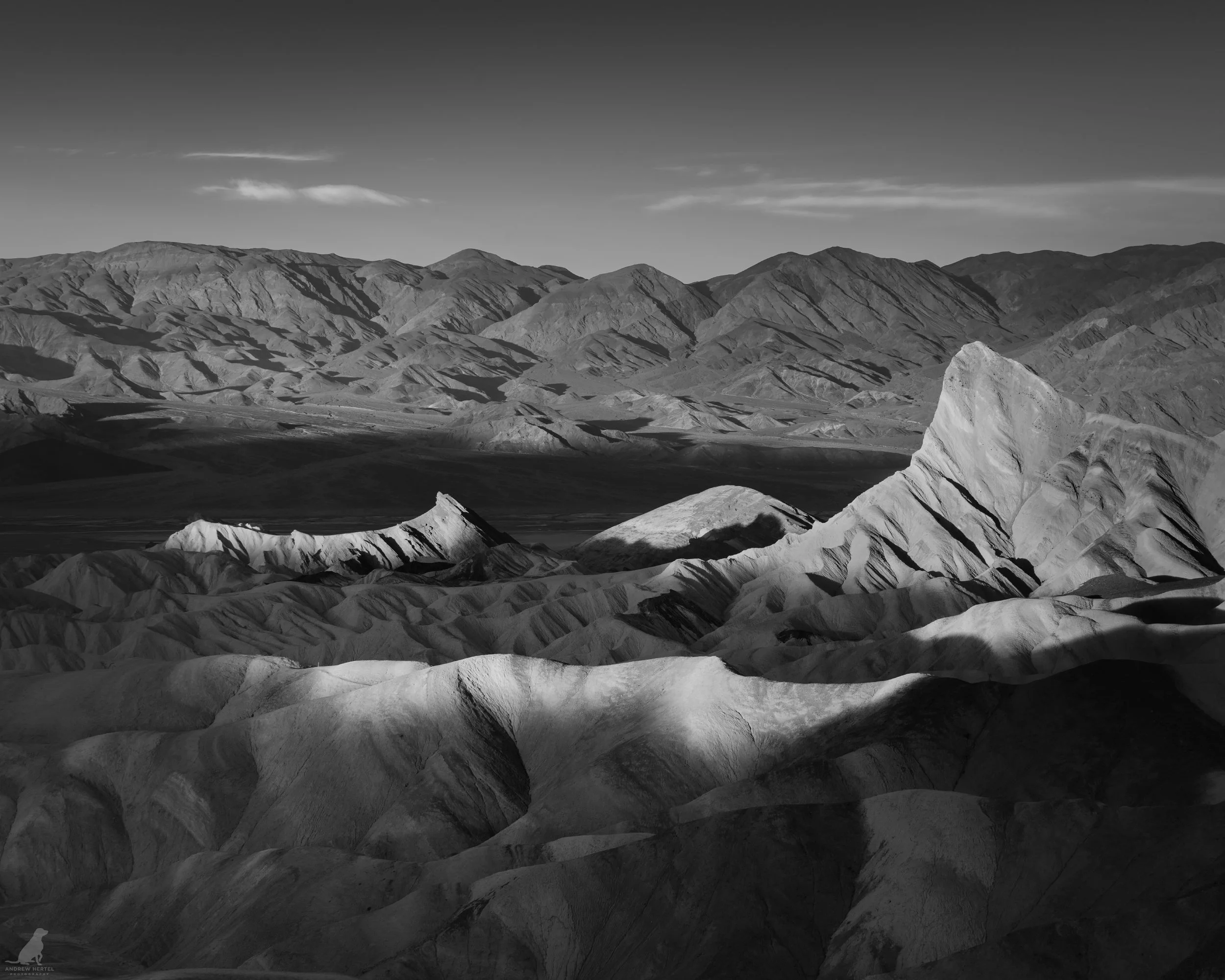
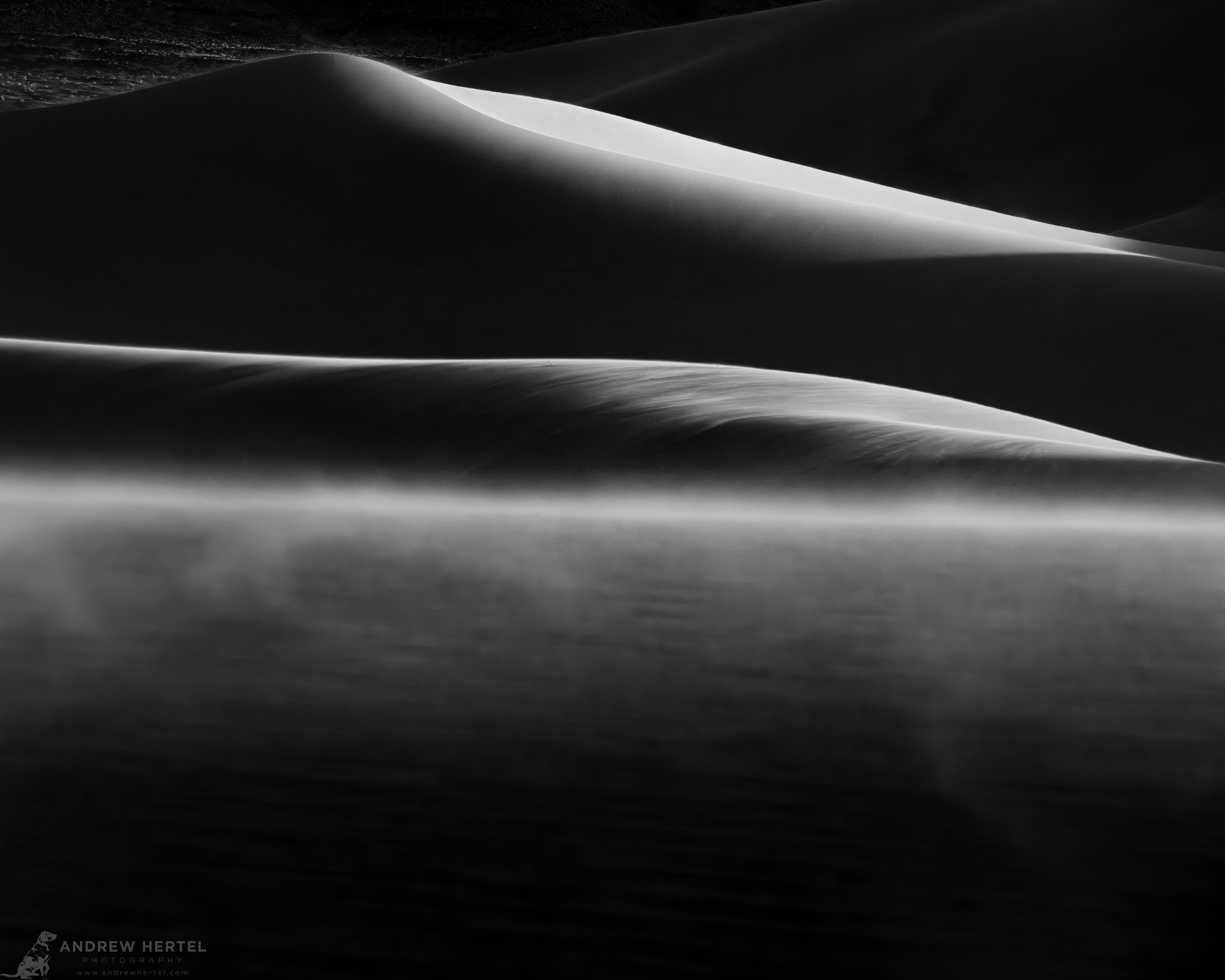
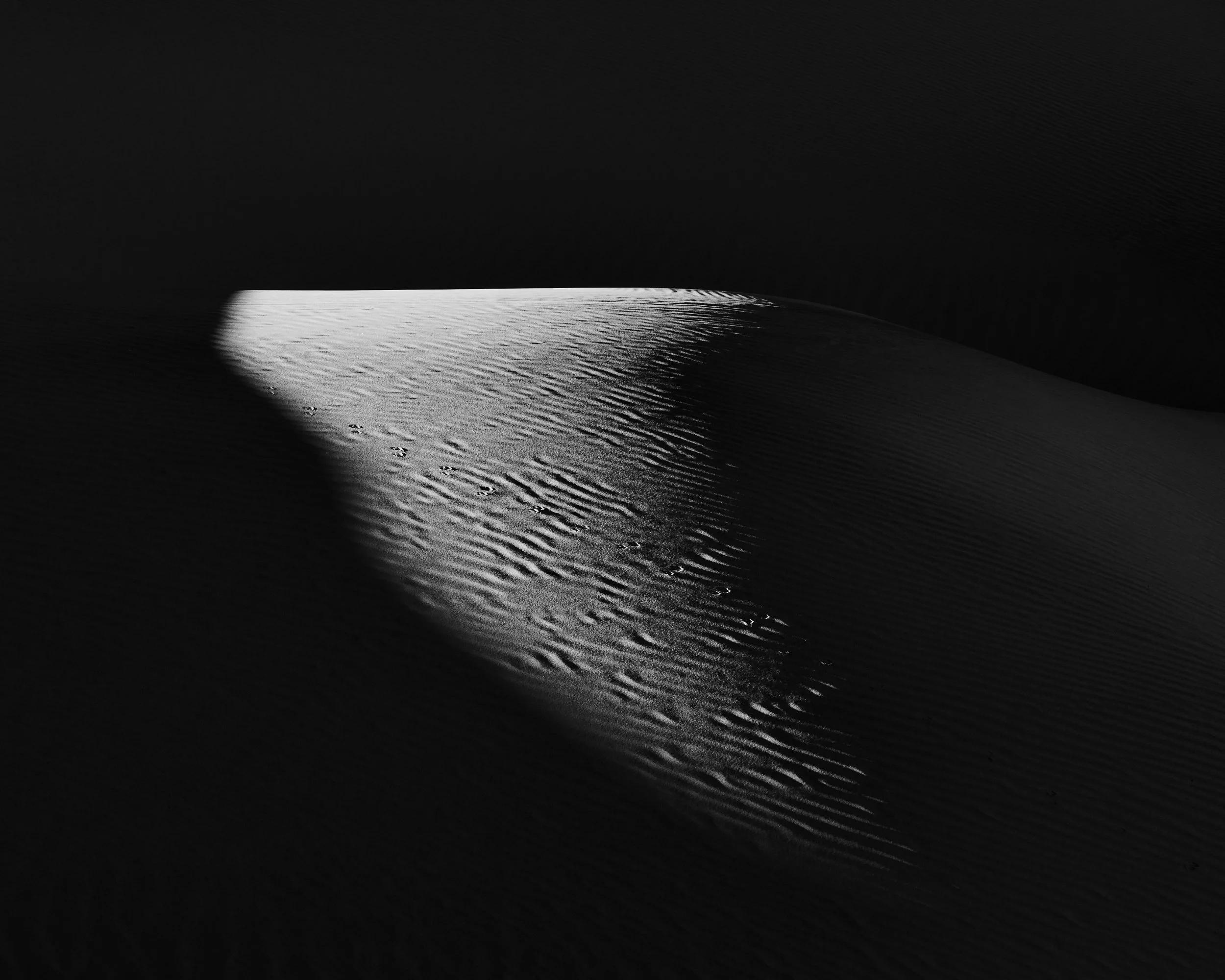
Death Valley is a place of extremes. Vast open spaces, subtle textures, shifting dunes, and dramatic light create endless opportunities to simplify and create meaningful photographs. During this small-group workshop, we’ll slow down and explore the landscape through the lens of black and white photography.
Over four days together, we’ll focus on learning to see beyond color and build stronger images through light, shadow, composition, and visual simplicity. While my own work is created exclusively in black and white, this workshop is open to photographers of all styles and experience levels. Whether you ultimately process your images in black and white or color, the concepts we explore together will help strengthen the way you see and create.
Field sessions will be complemented with time throughout the workshop for image review, post-processing demonstrations, and discussions around the artistic vision behind black and white photography.

By making a payment for the photo tour, you agree that you have read and acknowledge the terms and conditions.
Sold Out
This workshop is sold out, please add your information below to be added to the waitlist for any spots that open due to cancellations.
About the Workshop
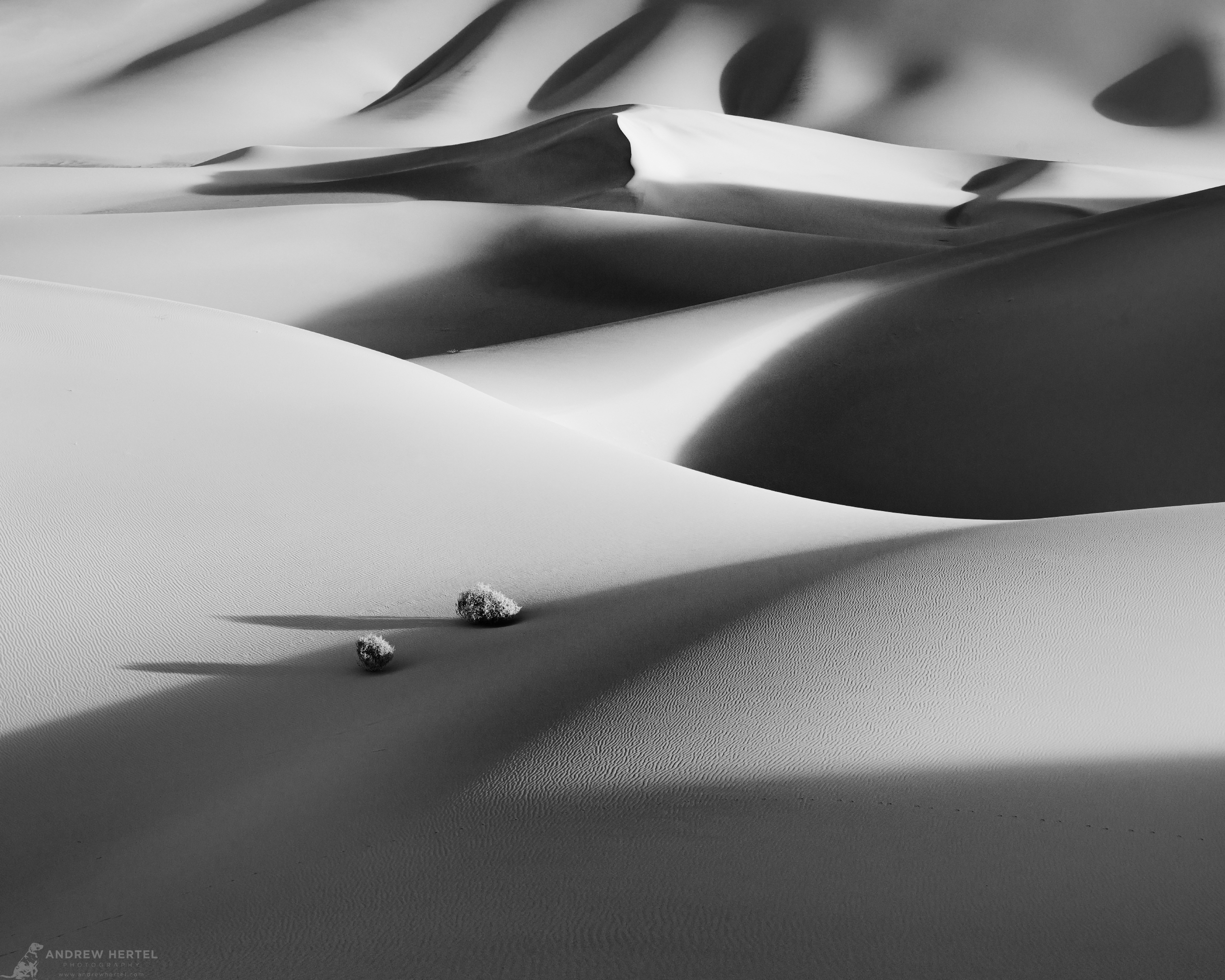
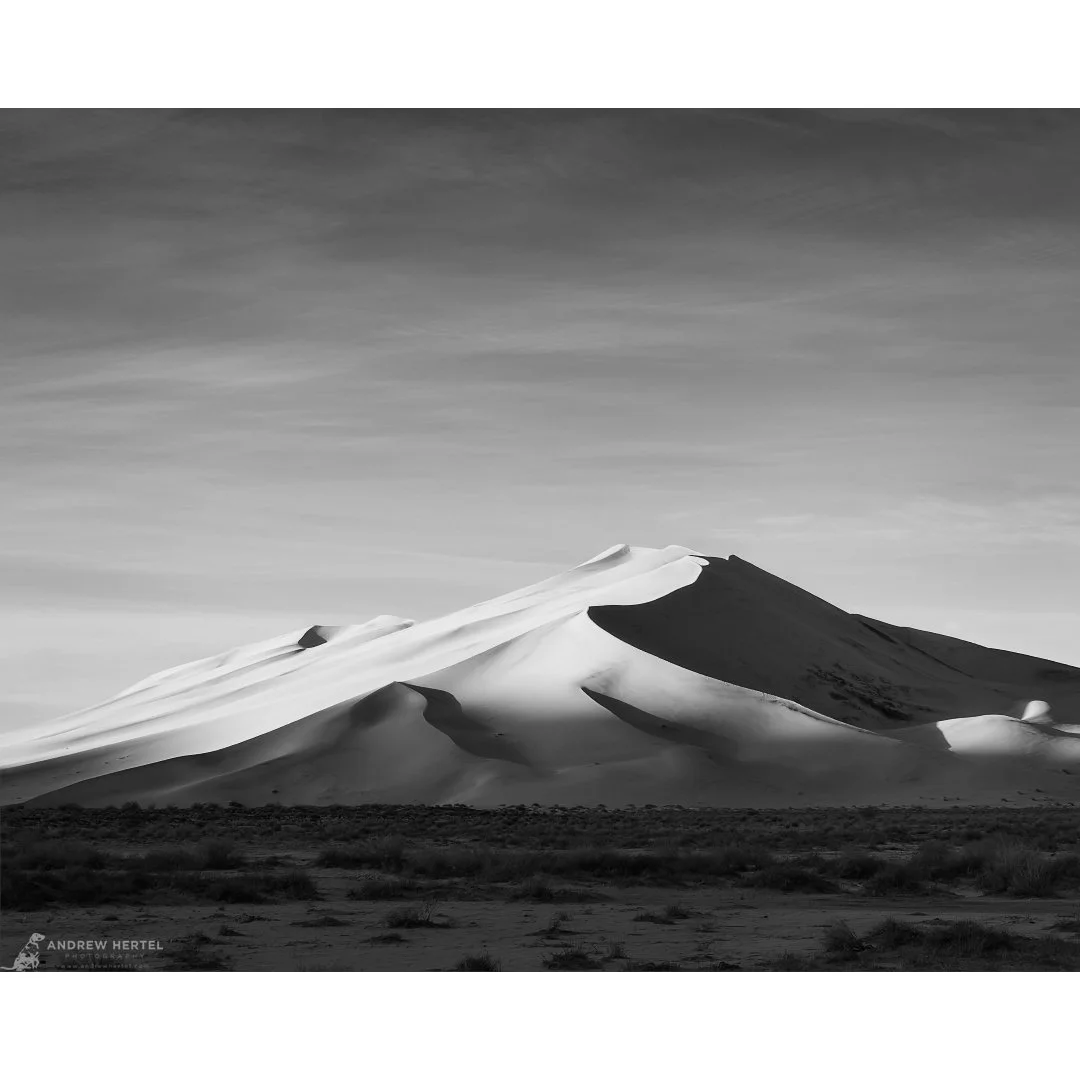
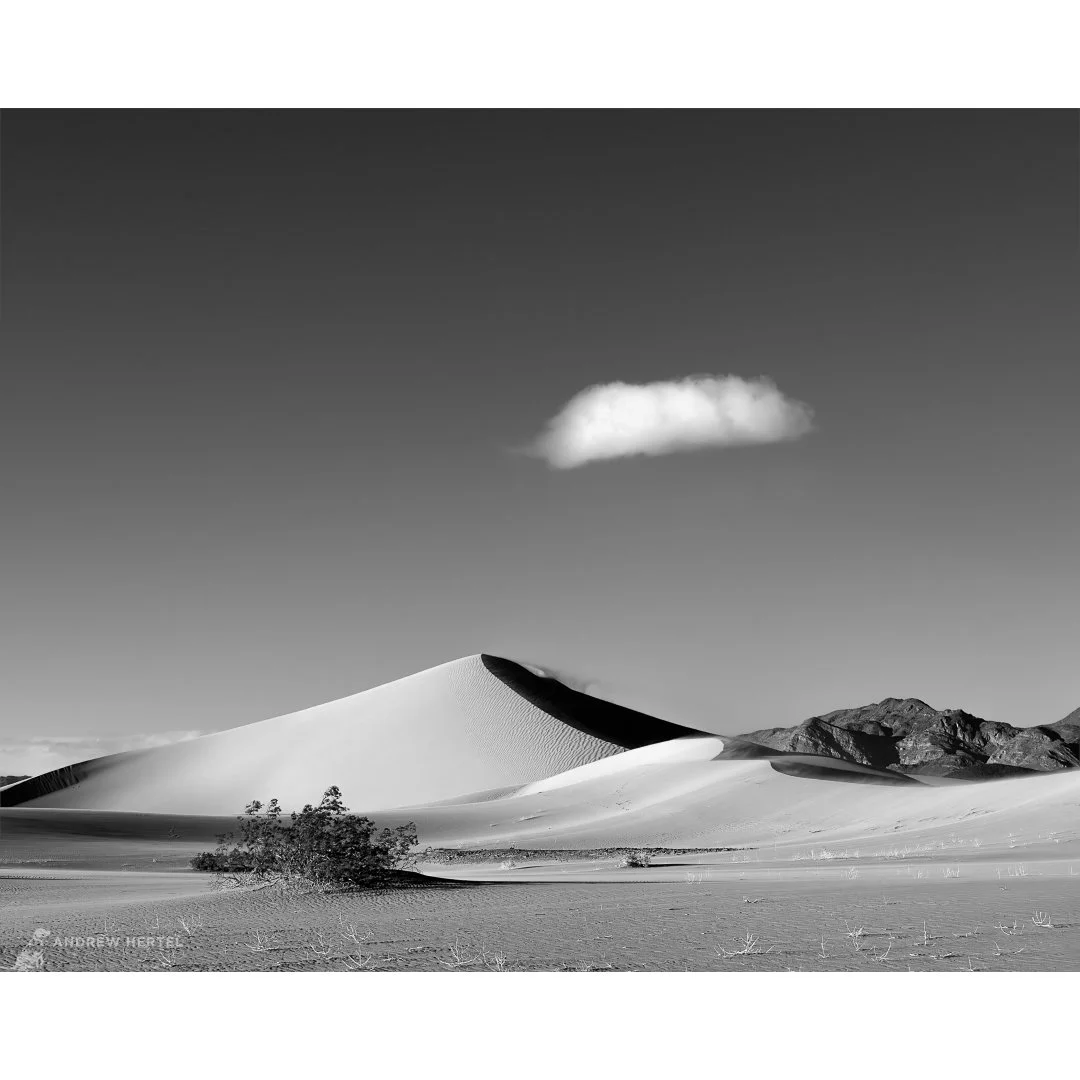
Black and white photography has shaped the way I see the landscape. Rather than focusing on color, it encourages attention to light, shadow, texture, shape, and the relationships between elements within a frame. Death Valley is one of my favorite places to explore these ideas. Its expansive dunes, rugged mountains, subtle textures, and ever-changing light create endless opportunities to simplify and create stronger photographs.
Unlike many black and white workshops that treat monochrome as a post-processing technique, this workshop is built around learning to see before pressing the shutter. Throughout our time together, we’ll explore how to identify scenes that translate well to black and white, how light changes the emotional feel of an image, and how simplifying a composition can strengthen the final photograph.
Field sessions in the morning and evening will be paired with small-group discussions, image review, and post-processing demonstrations during our midday breaks and evenings as time allows. These sessions are designed to go beyond software and technical settings and explore the artistic decisions behind creating black and white images.
Although my own work is created exclusively in black and white, this workshop is open to photographers of all styles and experience levels. The goal is not to turn everyone into a black and white photographer. The goal is to help you slow down, see more intentionally, and return home creating stronger photographs.


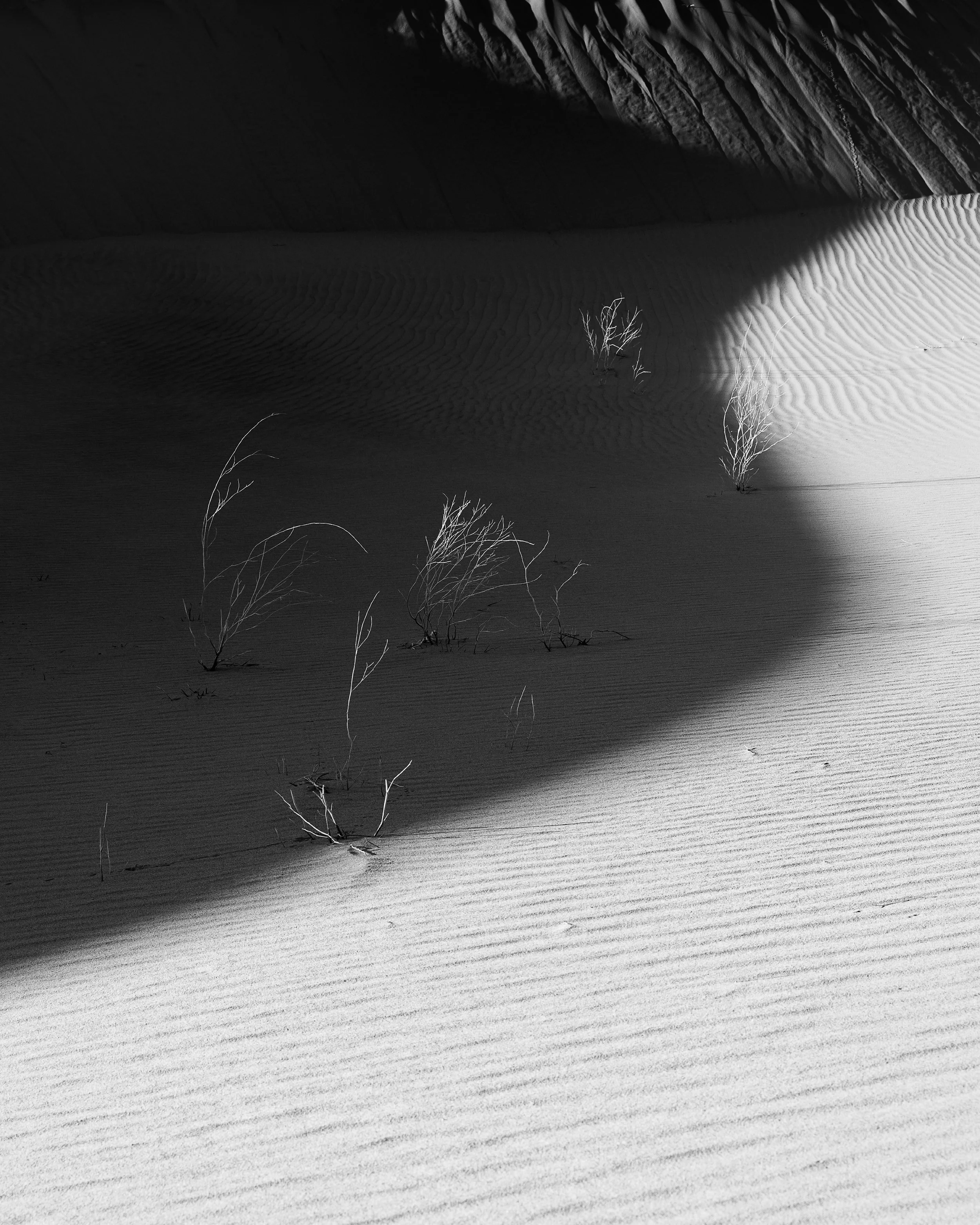
What You’ll Experience
Seeing Beyond Color
Black and white photography begins long before post-processing. Throughout the workshop, we’ll explore how to recognize moments where light, shadow, texture, shape, and composition become the strongest elements of an image.
Learning to Work With All Light
Great black and white photography isn’t limited to golden hour. We’ll learn how different qualities of light shape an image and how to use each intentionally, from soft morning light to the harsh midday sun. Death Valley’s strong desert light creates opportunities for bold contrast, dramatic shadows, and compelling black and white photographs throughout the day.
Death Valley Through a Different Lens
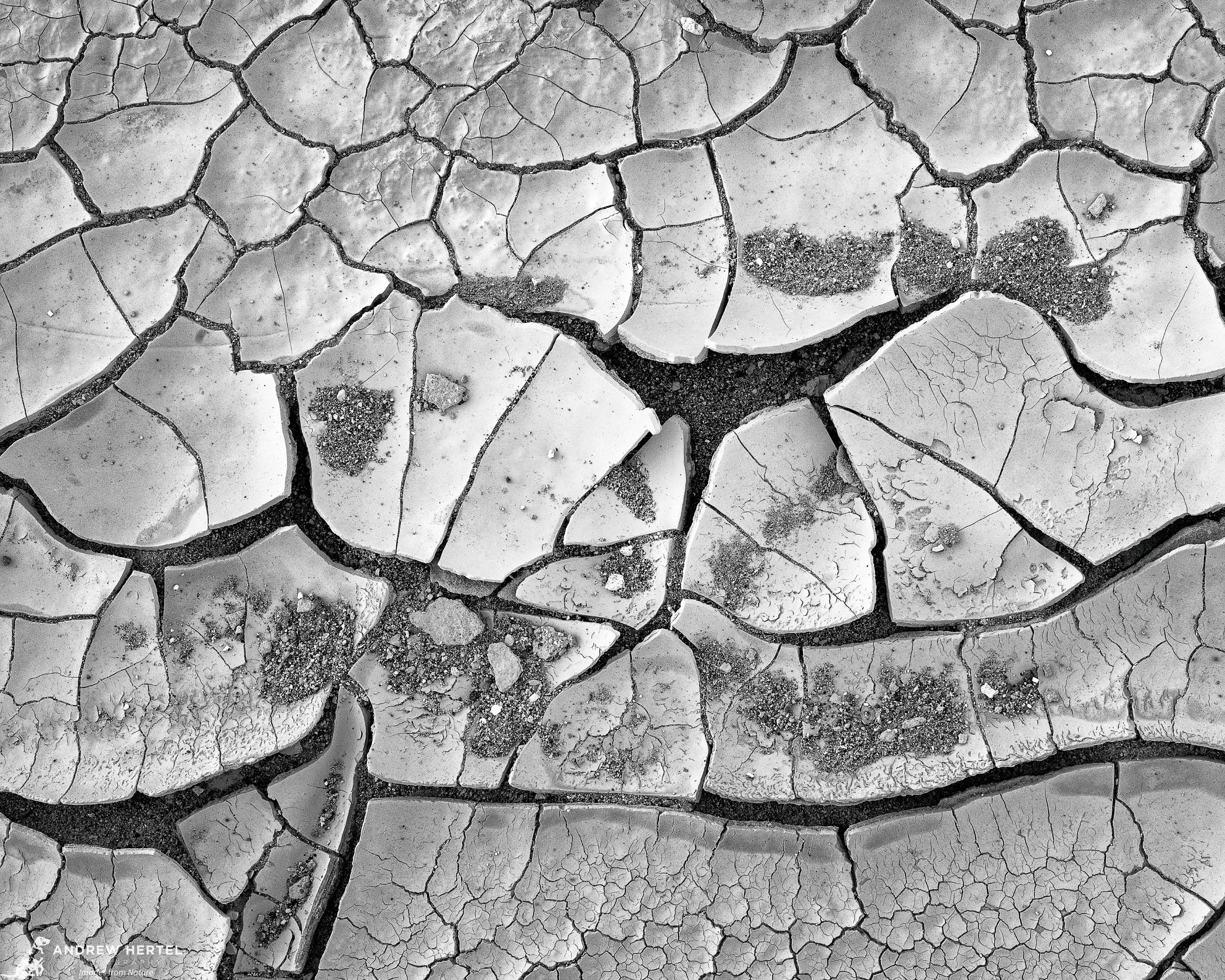
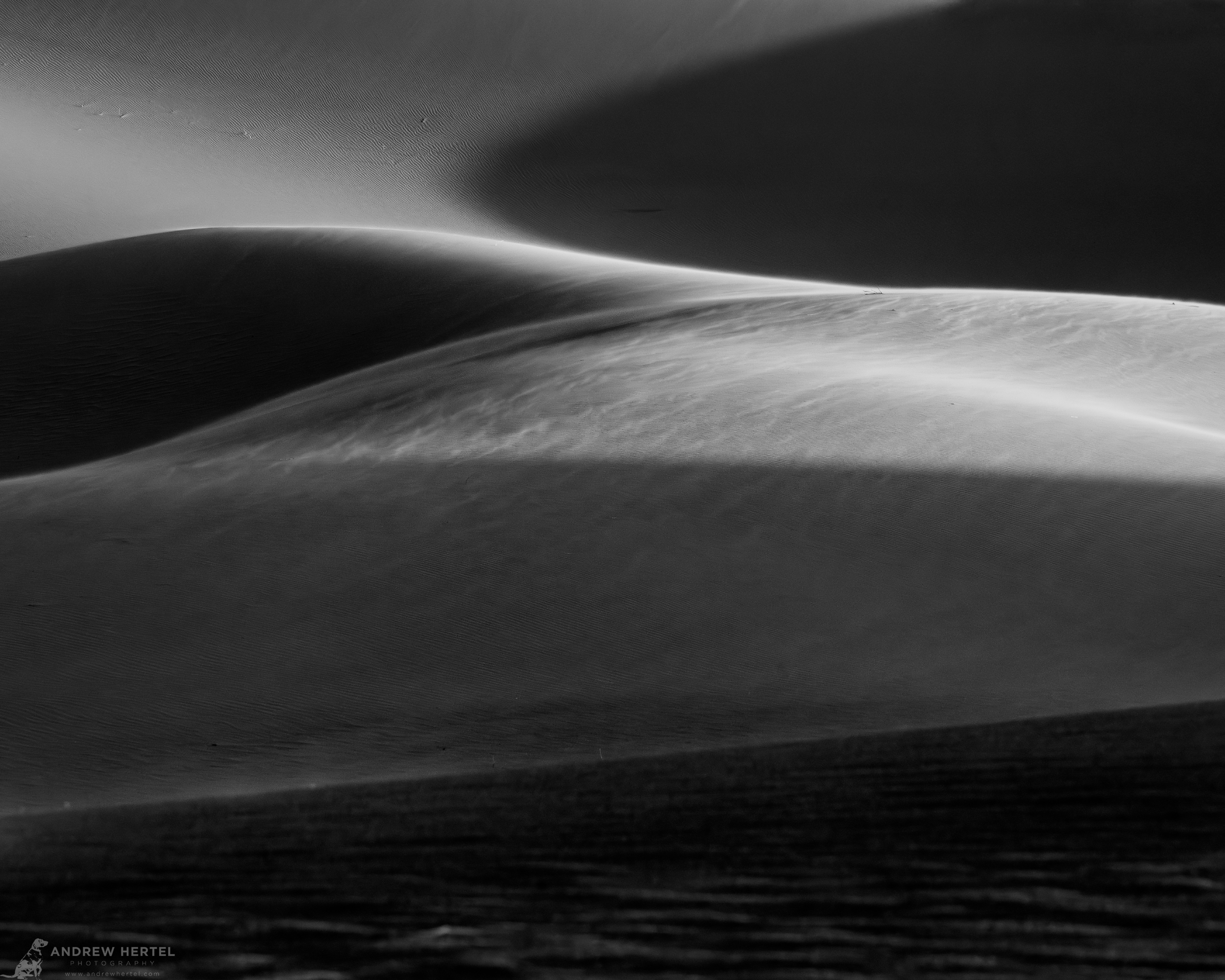
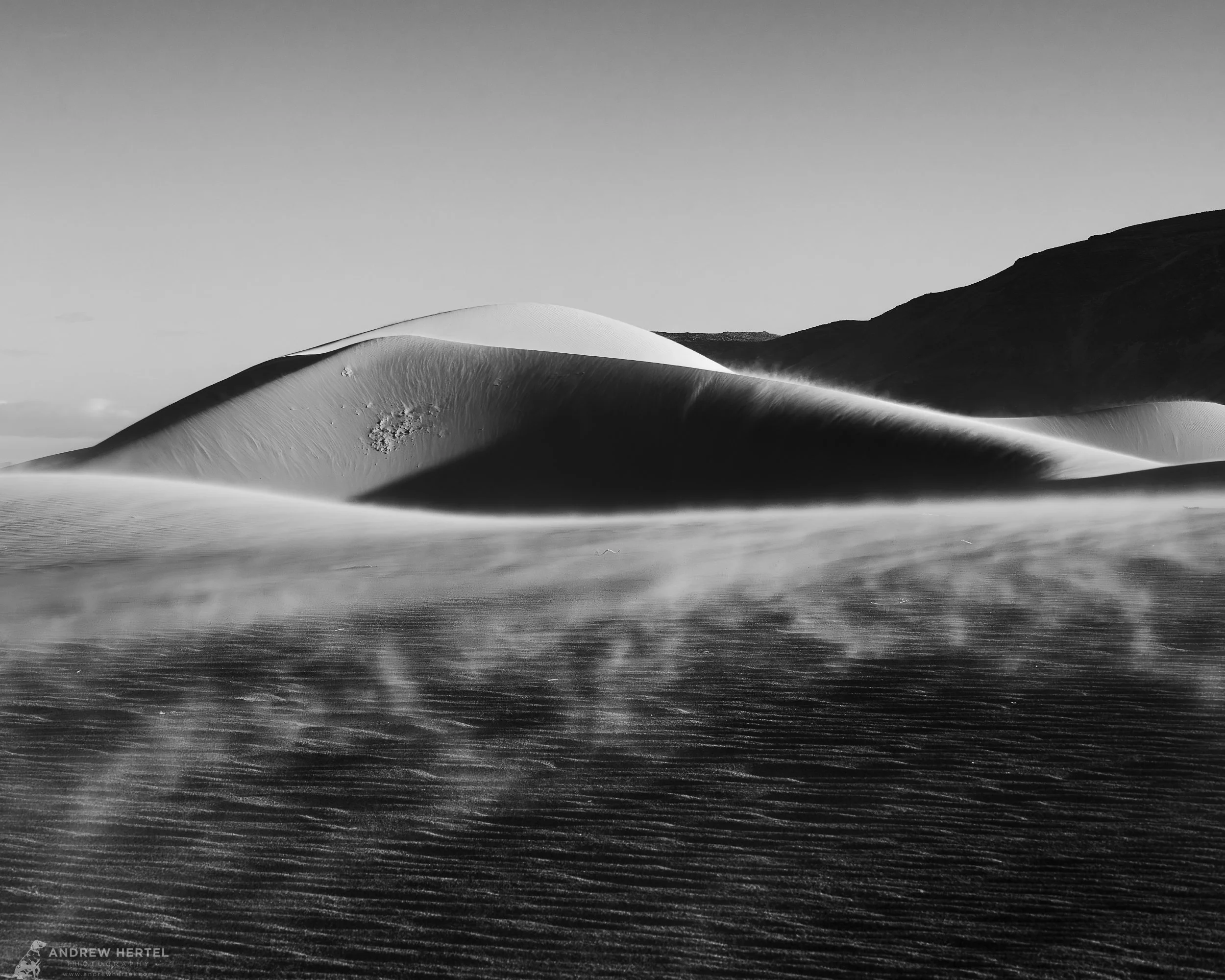
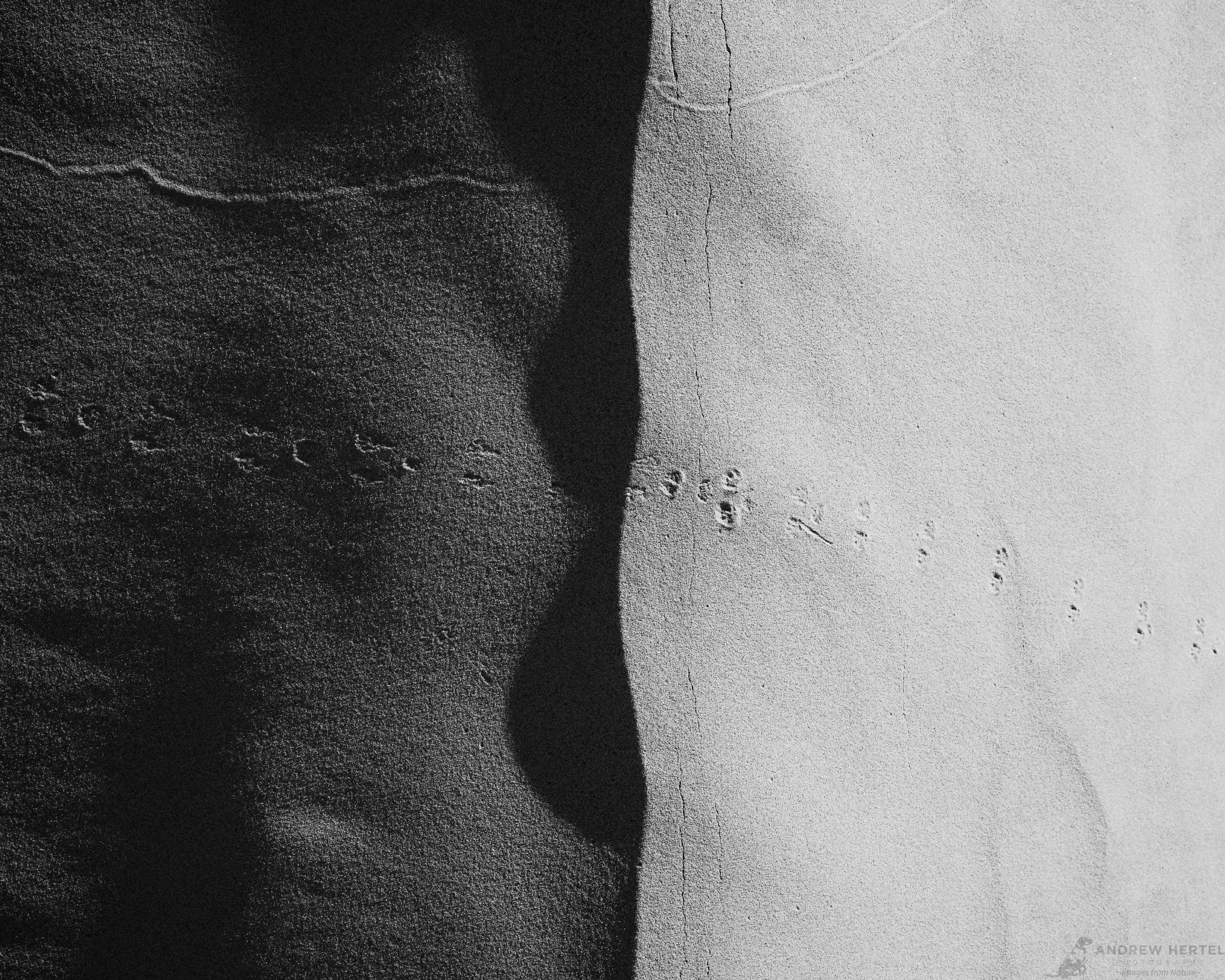
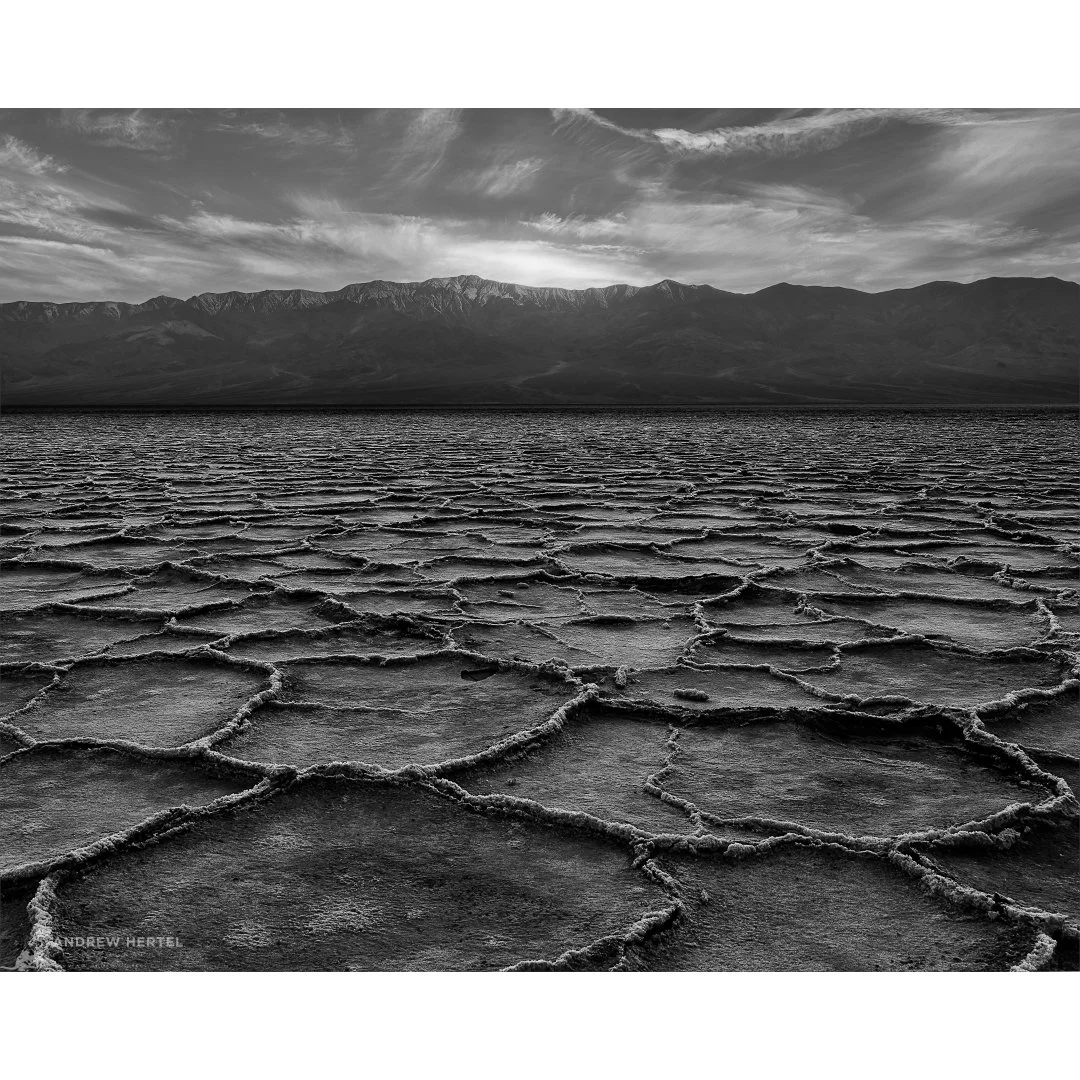
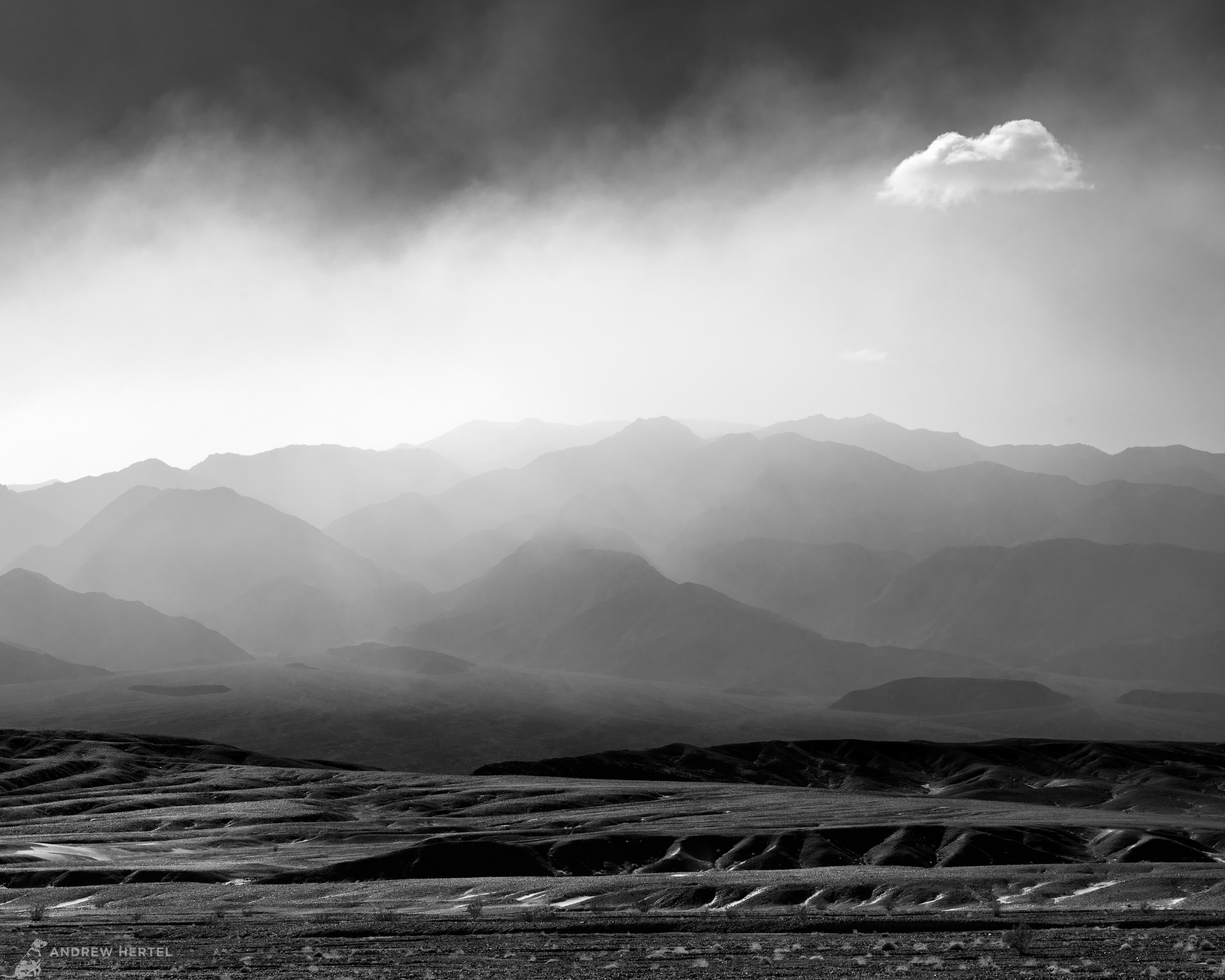
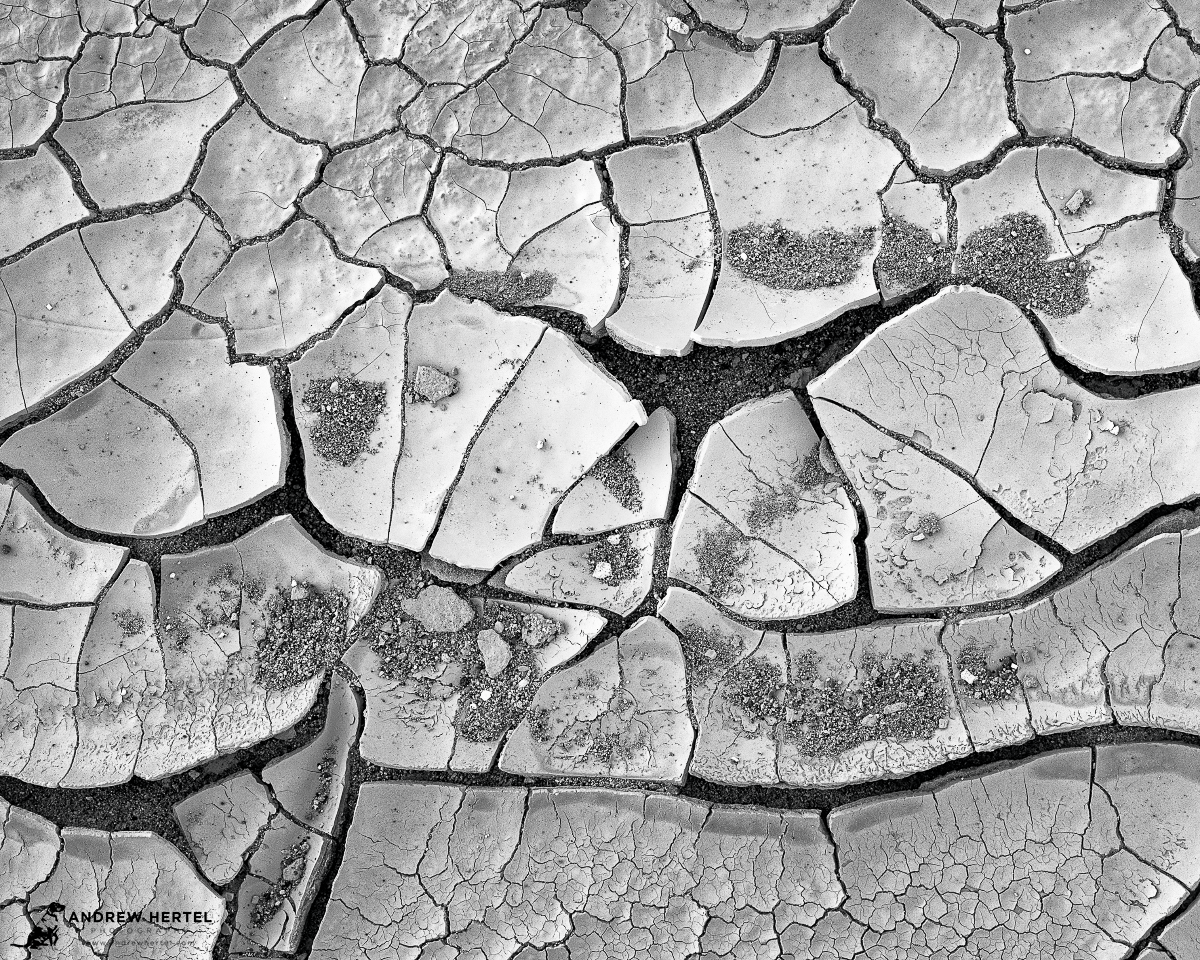
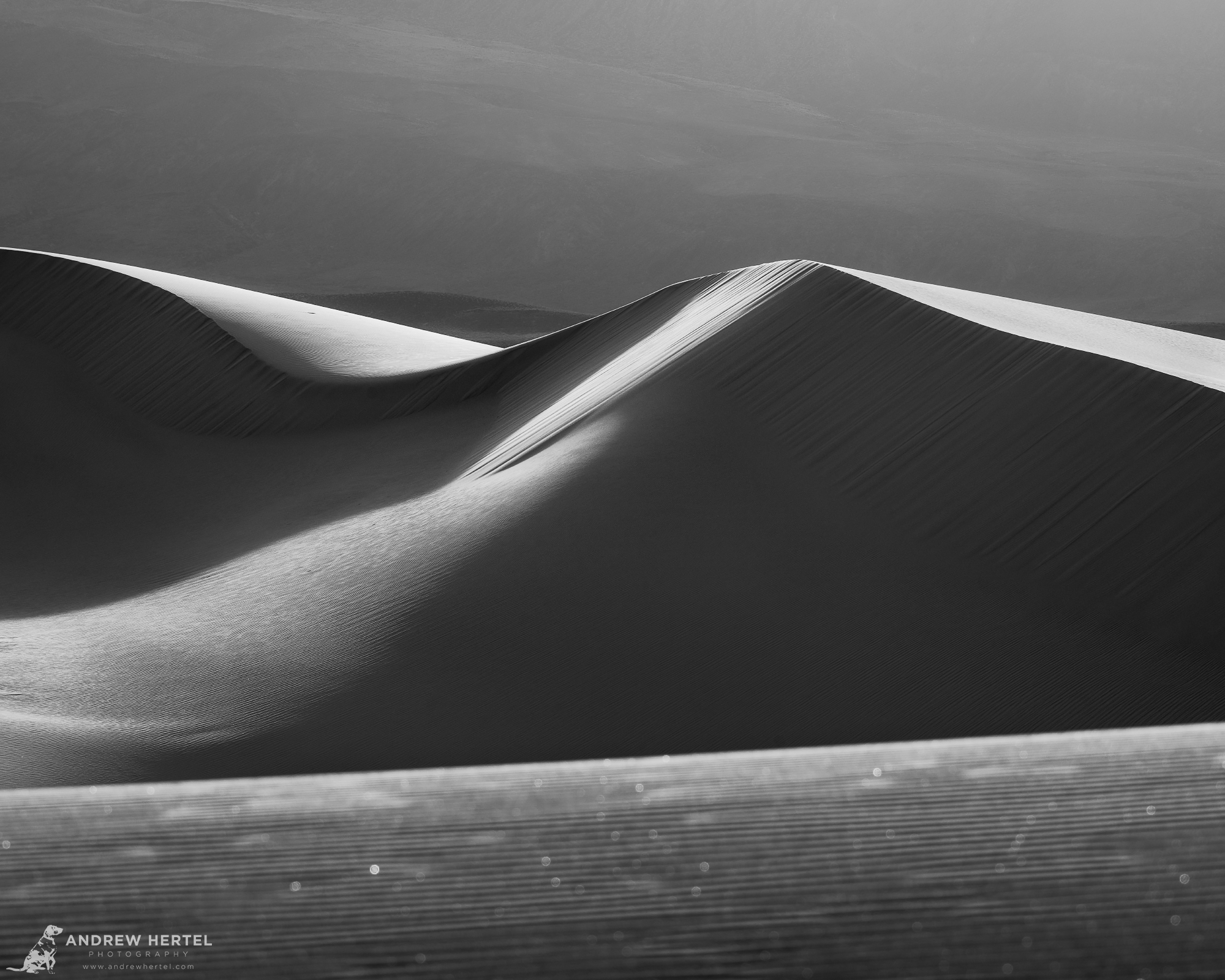
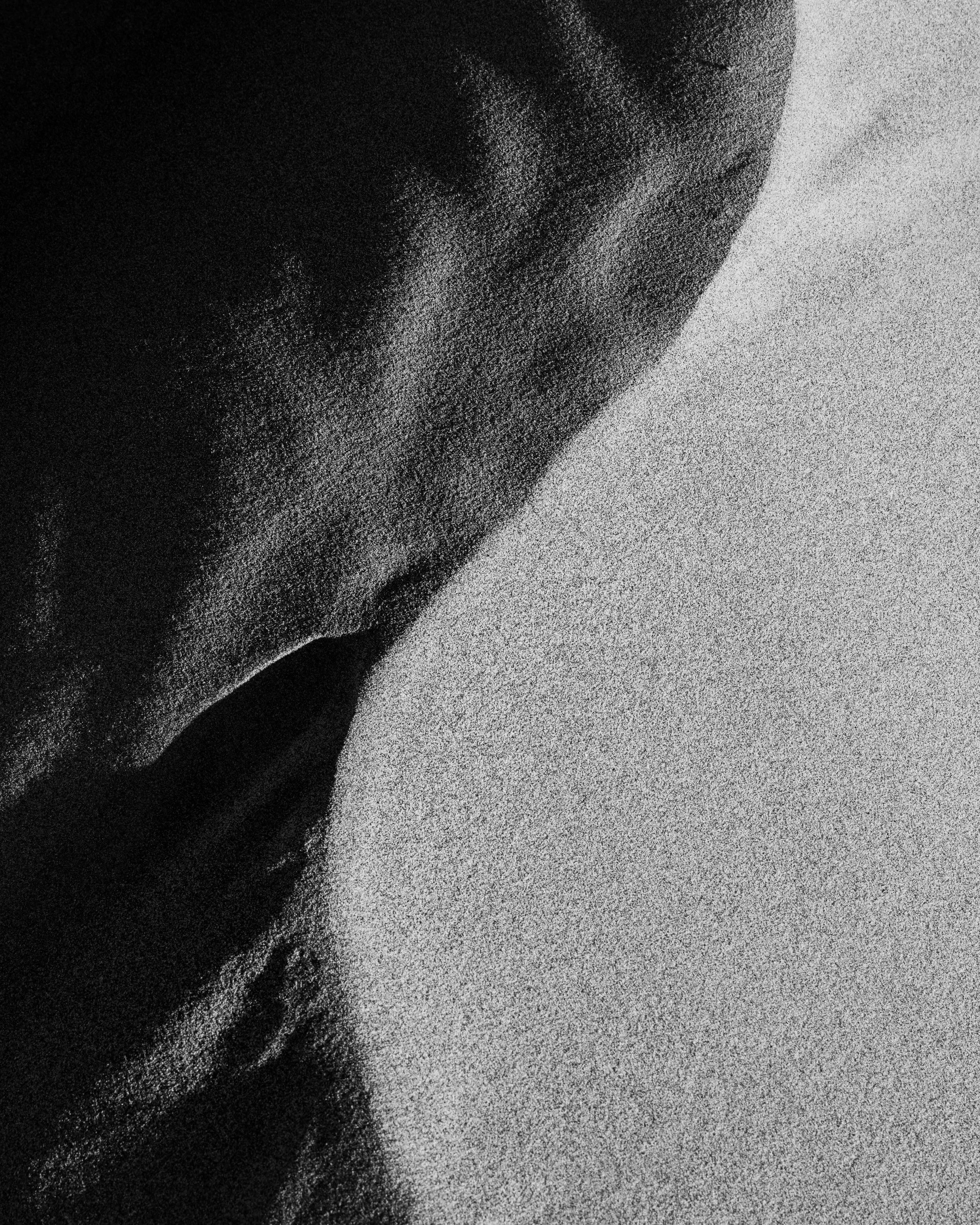
Death Valley’s dunes, mountains, salt flats, and subtle details create endless opportunities for black and white photography. Rather than chasing a long list of locations, we’ll slow down and focus on creating meaningful photographs from the landscape in front of us.
Field Sessions & Workshop Discussions
Mornings and evenings will be spent photographing in the field during the best available light. During midday breaks and evenings as time allows, we’ll gather for image reviews, post-processing demonstrations, and discussions around the art and vision behind black and white photography.
Personalized Instruction
With only three participants, there will be plenty of opportunities for one-on-one guidance, thoughtful conversations, and individualized feedback throughout the workshop. Whether you are new to black and white or have years of experience, instruction will be tailored to your goals.
A Relaxed and Supported Experience
Lodging at Stovepipe Wells and transportation within Death Valley National Park are included so you can focus on photography, learning, and enjoying your time in the desert rather than coordinating daily logistics.
What You'll Learn
How to See for Black and White
Learn to identify scenes that naturally translate to black and white and recognize how light, shadow, texture, shape, and visual weight influence an image before pressing the shutter.
Using Light Intentionally
Explore how different qualities of light affect the mood and structure of a photograph and learn techniques for working in conditions that are often overlooked, including harsh desert light and changing weather.
Composition & Simplification
Discover approaches to simplifying complex scenes, reducing visual distractions, and creating stronger photographs through thoughtful framing and design.
The Art of Black and White Processing
Through demonstrations and discussion, we’ll explore approaches to processing black and white images including tonal relationships, contrast, profiles, local adjustments, and developing a style that feels authentic to your vision.
Building More Meaningful Photographs
Beyond technical decisions, we’ll discuss how intention, observation, and personal connection can influence the images you create and help you develop photographs with greater impact and emotion.
Applying These Ideas Beyond Black and White
Although this workshop is centered around black and white photography, the concepts we explore apply equally to color photography and can strengthen the way you approach photography as a whole.
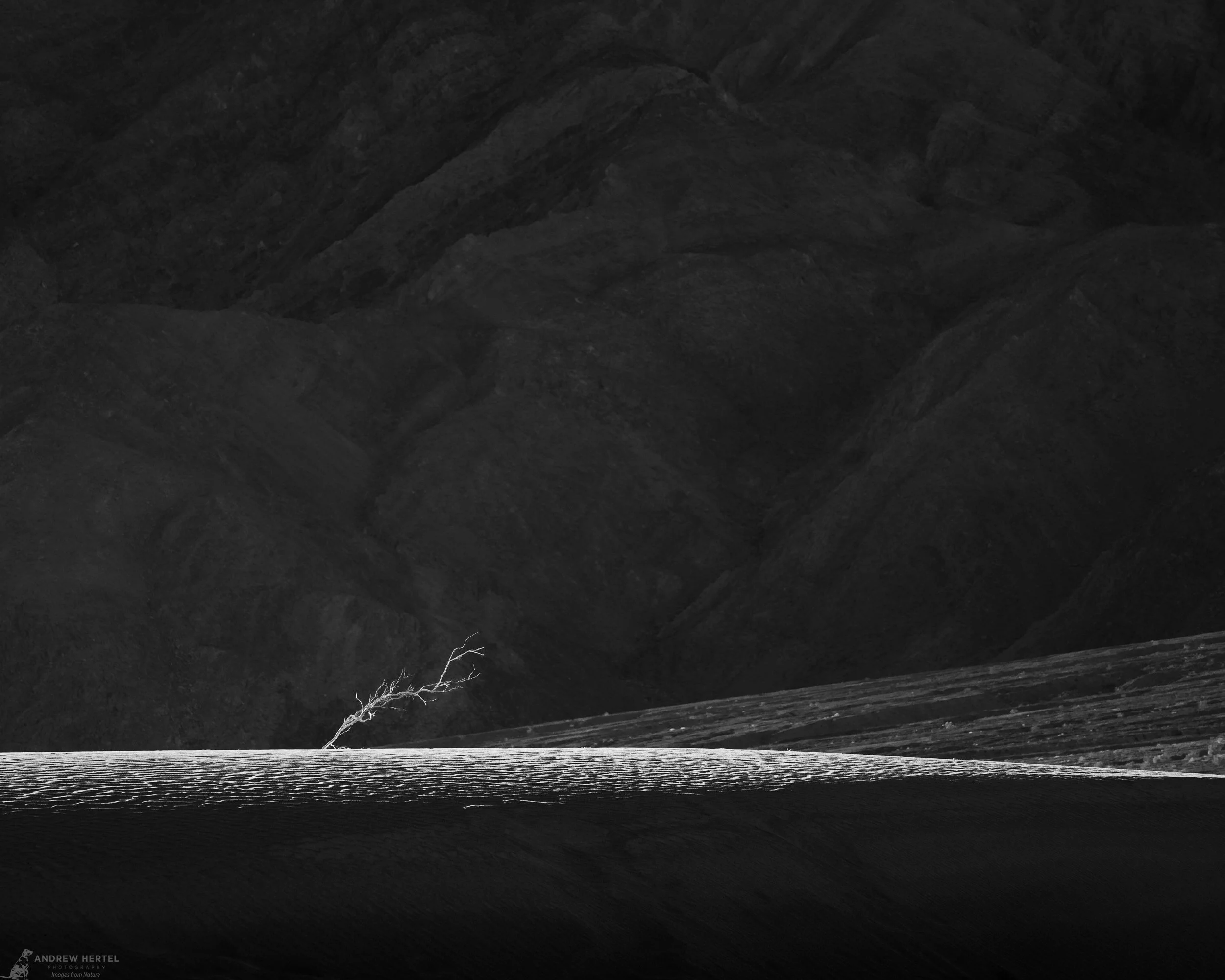
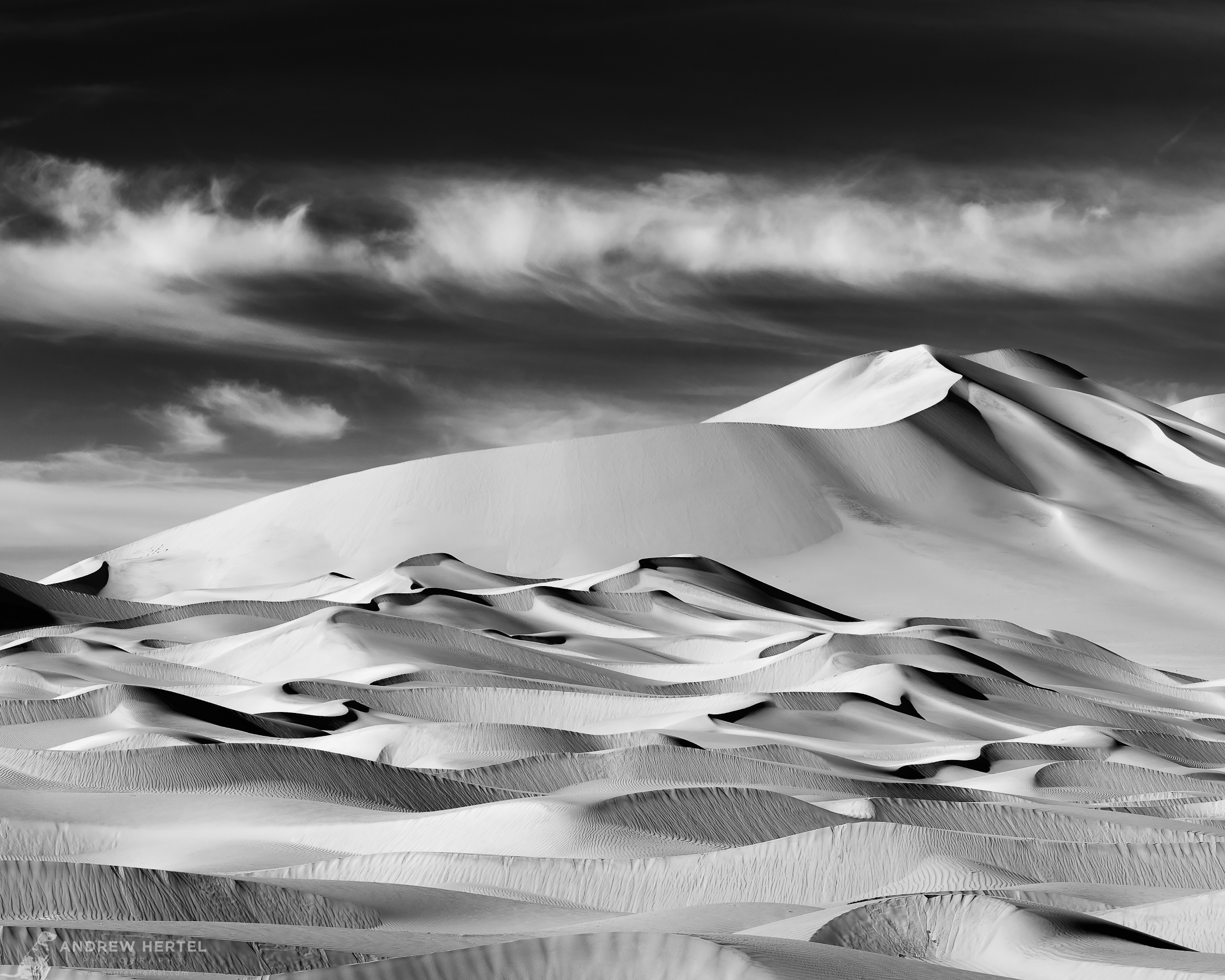






Itinerary
Each day in Death Valley follows a general rhythm while remaining flexible enough to adapt to weather, light, and changing conditions.
Early Morning Field Session
We’ll often begin before sunrise to experience the quiet of the desert and take advantage of the changing qualities of morning light. Early sessions may focus on broad landscapes, intimate details, or simply slowing down and learning to observe before photographing.
Breakfast & Rest
After our morning session, we’ll return to Stovepipe Wells for breakfast and an opportunity to rest, recharge, and review the morning’s experience.
Image Review & Workshop Discussions
Midday provides time to step away from the field and gather for image review, post-processing demonstrations, and discussions around the art and vision of black and white photography. These sessions are designed to help connect what we experience in the landscape with the decisions we make during editing and image creation.
Afternoon Exploration
As conditions evolve, we’ll head back into Death Valley and continue exploring. Some sessions may focus on larger scenes while others may encourage slowing down and discovering quieter moments shaped by light, texture, and form.
Evening Light & Reflection
We’ll close each day photographing evening conditions and taking time to reflect on the day’s experiences, observations, and photographs.
Rather than following a rigid shot list or fixed schedule, this workshop is designed to remain flexible and respond to the unique opportunities each day presents.
What's Included
• 3 nights of sing occupancy lodging at Stovepipe Wells Village
• Transportation within Death Valley National Park throughout the workshop
• Small group instruction (maximum 3 participants)
• Morning and evening field photography sessions
• Midday and evening workshop discussions as time allows
• Image review and personalized feedback
• Post-processing demonstrations focused on black and white photography
• Conversations around composition, visual design, and the art of seeing in black and white
• Guidance before and during the workshop to help you prepare
NOT INCLUDED
• Transportation to and from Death Valley National Park
• National Park entrance fees
• Meals, snacks, and beverages
• Camera equipment and computer
• Travel insurance (recommended)
• Personal expenses and incidentals
Who This Workshop Is For
This workshop is designed for photographers who want to slow down, become more intentional, and strengthen the way they see and create photographs.
This workshop may be a good fit if you:
• Are curious about black and white photography and want to better understand what makes an image work without relying on color
• Enjoy thoughtful photography experiences rather than rushing between locations
• Want to improve composition, simplify scenes, and work more intentionally with light
• Are interested in developing a stronger artistic vision and deeper connection to your photography
• Enjoy learning in a small-group environment with personalized instruction
• Photograph in either black and white or color and want skills that apply to both approaches
• Are comfortable walking on uneven terrain and spending time outdoors in changing desert conditions
No prior experience with black and white photography is required. Whether you are new to monochrome or have years of experience, instruction will be adapted to meet you where you are.
By making a payment for the photo tour, you agree that you have read and acknowledge the terms and conditions.
1 Space Remaining
Cancellation Policy
These workshops take significant time and resources to put together. Locations are scouted, accommodations are booked, and logistics are coordinated well in advance of the start date. Because of that investment, I have to protect my ability to deliver the experience I've promised to everyone in the group.
I strongly recommend purchasing travel insurance that covers trip cancellation; it's a small cost that protects you if something unexpected comes up.
Cancel 90 days or more from the start date: full refund minus the deposit
Cancel 31–89 days from the start date: 50% refund of your total registration fee
Cancel 30 days or less: no refund
I wish I could make exceptions, but I'm unable to. This is why I strongly encourage travel insurance. I personally use RedPoint but you are free to use any provider.
In the unlikely event that I have to cancel a workshop, you will receive a full refund or the option to apply your payment toward a future workshop.
Have a question about the workshop, please send me a message.
FAQ’s
-
Not at all. While this workshop is centered around learning to see through the principles of black and white photography, participants are welcome to photograph and process in either black and white or color. Many of the concepts we’ll discuss, including light, composition, simplification, and visual design, apply regardless of how you finish your images.
-
No. Photographers of all experience levels are welcome. Instruction is personalized and adapted to your goals, whether you are exploring black and white for the first time or refining an established body of work.
-
This workshop is primarily focused on landscape and nature photography with an emphasis on black and white interpretation. Depending on conditions and participant interests, we may photograph grand landscapes, intimate details, patterns, textures, and quieter scenes throughout Death Valley.
-
Throughout the workshop, we’ll spend time reviewing photographs, discussing composition and visual design, exploring post-processing approaches, and talking about the artistic decisions behind black and white photography. These sessions are designed to complement time spent in the field.
-
No. While mornings and evenings often provide beautiful conditions, one of the goals of this workshop is learning to work with all qualities of light. Death Valley’s strong desert light can create compelling black and white opportunities throughout the day.
-
This workshop includes light to moderate walking on uneven desert terrain including sand, gravel, and natural surfaces. Participants should be comfortable walking at a relaxed pace and spending time outdoors throughout the day.
-
Any camera system is welcome. Participants should bring equipment they are comfortable using along with lenses appropriate for landscapes and details. A recommended packing list will be provided before the workshop.
-
The closest major airport is Las Vegas (LAS), located approximately 2.5 hours from Stovepipe Wells Village. Additional travel details and recommendations will be provided after registration.
-
Weather and conditions are part of the experience. We’ll remain flexible and adapt locations, timing, and plans to make the most of changing conditions while prioritizing safety and creating meaningful photographic opportunities.
-
A laptop is encouraged if you would like to participate in image review and post-processing sessions, but it is not required.
Permits and Insurance
I obtain all necessary permits from the National Park Service to operate photography workshops in Death Valley National Park. Additionally, I carry the required liability insurance to ensure a safe and professional experience for all participants.

Who Am I?
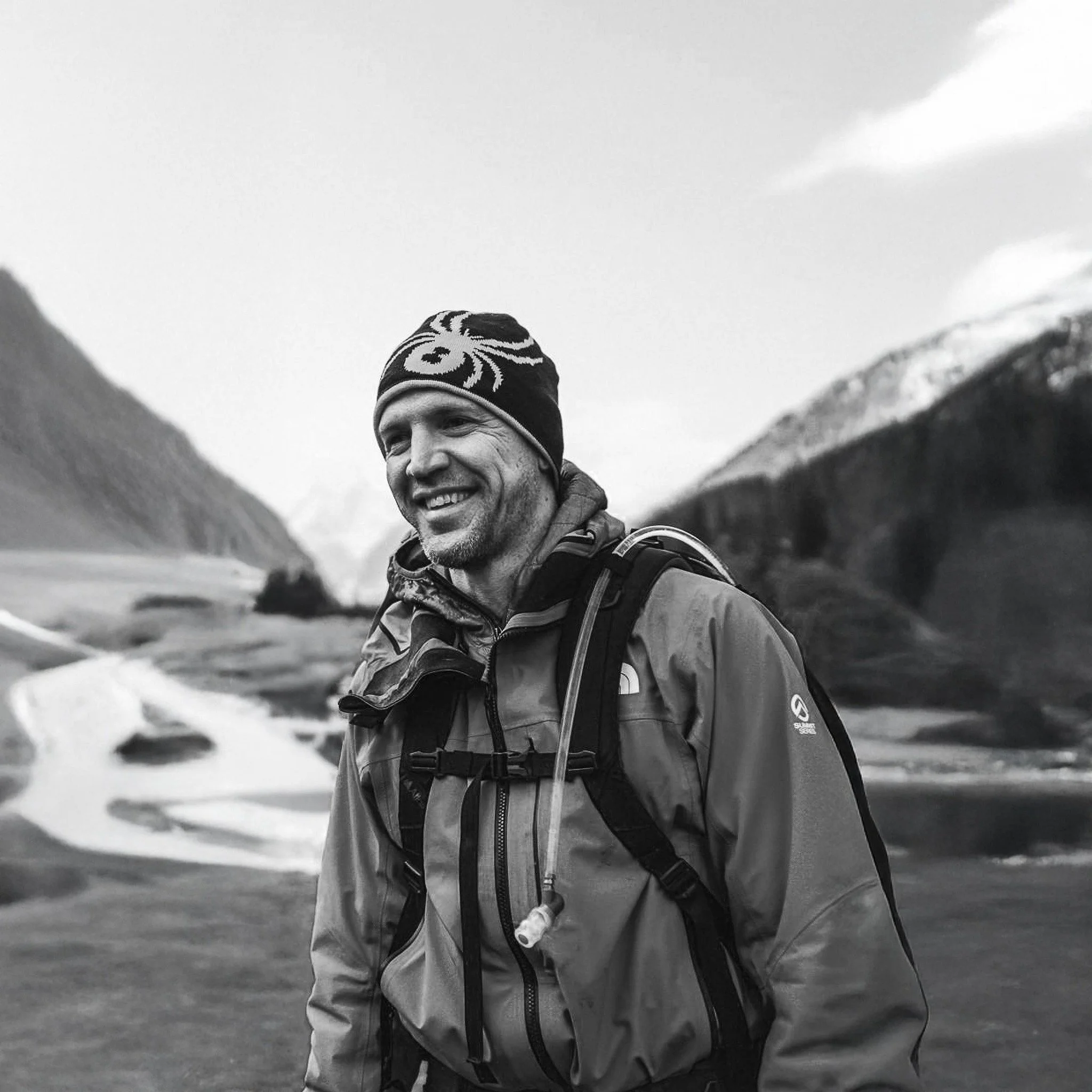
Hi, I’m Andrew Hertel, one of your guides for this Death Valley photography workshop. I’ve been exploring Death Valley for years, captivated by its ever-changing light, expansive dunes, and rugged beauty. Having lived in Southern California for over two decades, I’ve had countless opportunities to immerse myself in the park’s diverse landscapes.
I am Wilderness First Aid certified, ensuring that your safety is always a top priority during our time together. As a proud member of Nature First, I practice and teach Leave No Trace principles to promote responsible outdoor ethics and minimize our impact on these fragile environments.
My passion for the desert is reflected in my work, and I’m excited to share that connection with you—helping you not just capture stunning images but also experience the landscape in a meaningful way.